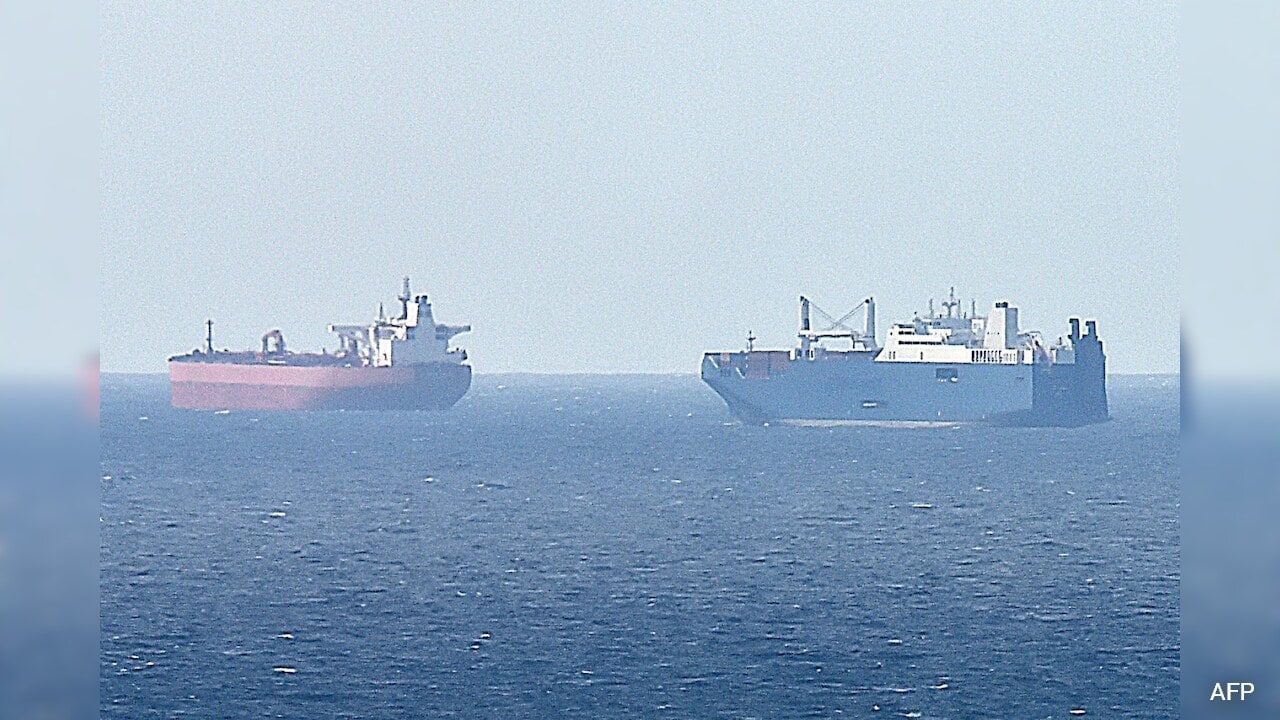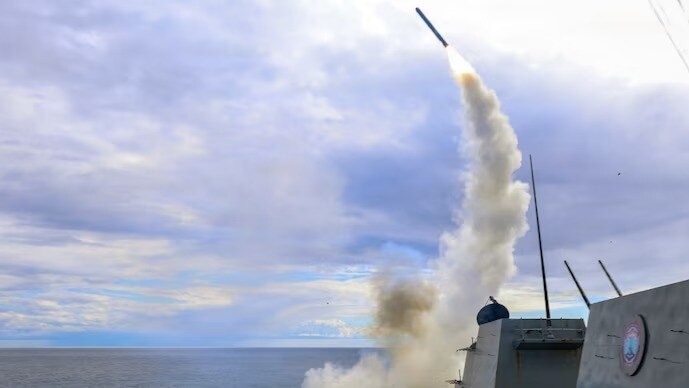
The US military carried out its third round of strikes this week, targeting Iran after the Islamic Revolutionary Guard Corps attacked the Cyprus‑flagged container vessel M/V GFS Galaxy, leaving a crew member missing.
Key Takeaways
- IRGC attacked the M/V GFS Galaxy, causing a civilian crew member to go missing.
- US forces began a third set of airstrikes at 7:15 p.m. ET, marking a new escalation.
- Iran re‑declared the Strait of Hormuz closed, heightening regional tension.
The United States launched a fresh wave of airstrikes against Iran on Saturday, marking the third such operation this week. The strikes were a direct response to an assault by the Islamic Revolutionary Guard Corps (IRGC) on the Cyprus‑flagged container ship M/V GFS Galaxy transiting the strategically vital Strait of Hormuz.
Details of the Attack
According to the US Central Command (CENTCOM), the IRGC assault caused a fire onboard and severe engine‑room damage, rendering the vessel unable to continue its voyage. The statement posted on X (formerly Twitter) added that one civilian crew member is missing following the incident.
US Strategic Objectives
Centcom emphasized that the new strikes aim to impose a “heavy cost” on Iran by degrading its ability to threaten civilian mariners and commercial traffic in the narrow waterway. The operations were executed under the direction of the Commander‑in‑Chief, President Donald Trump, reflecting a policy of sustained pressure to compel Tehran to honor the existing Memorandum of Understanding.
Iranian Reaction and Regional Fallout
Iran’s Mehr News Agency reported explosions on Qeshm Island, while state broadcaster IRIB confirmed three blasts in Bandar Abbas and two in Sirik. Tehran also reiterated its claim that the Strait of Hormuz is closed after a vessel on an “unauthorised route” was struck by a warning shot, further jeopardising the fragile cease‑fire agreement with the United States.
Implications for Global Shipping
Experts warn that continued military escalation could disrupt one of the world’s busiest oil transit corridors, pushing up energy prices and prompting shipping firms to reassess risk exposure. The ongoing tit‑for‑tat between Washington and Tehran raises the specter of a broader conflict that could ripple through international trade and security frameworks.
Looking Ahead
If diplomatic channels fail to de‑escalate the situation, the Strait of Hormuz may witness heightened naval confrontations, compelling regional powers and global stakeholders to intervene. The world will be watching closely as each side calibrates its next move.