A speedboat capsized near Phu Quoc Island, Vietnam, killing 15 Indian tourists and leaving dozens of families across South India grieving while awaiting repatriation and answers.
Key Takeaways
- Speedboat accident near Phu Quoc Island kills 15 Indian tourists
- Families in South India face grief, repatriation challenges
- Lava International's tour safety and governmental response under scrutiny
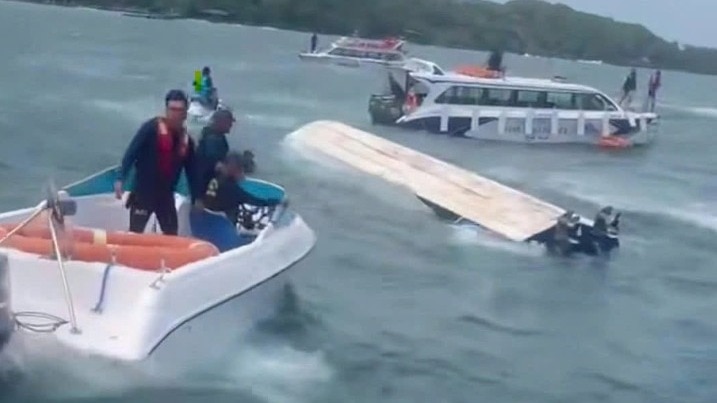
A Lava International‑sponsored speedboat carrying 32 Indian tourists and four Vietnamese crew members capsized near Vietnam’s Phu Quoc Island on Saturday. Local authorities launched an immediate rescue operation, but 15 Indian lives were lost while 21 people were rescued. The disaster has plunged fifteen families from Tamil Nadu, Andhra Pradesh and Kerala into profound sorrow.
Incident Overview
The boat departed Hon May Rut Ngoai island around 1:30 pm local time for another island hop. Weather was mild with light wind, yet the vessel tipped over after traveling barely 300‑400 metres. Witnesses said the boat was photographed moments before it rolled, leaving no time for reaction.
Victims’ Profile
Among the deceased were ten residents of Tamil Nadu, three from Andhra Pradesh and two from Kerala. Most were first‑time overseas travelers. The most poignant story is that of 54‑year‑old Shaik Abdullah Abdul Majeed, who video‑called his wife and infant granddaughter shortly before the trip and promised to call back once they reached an island with no mobile signal – a promise that would never be fulfilled.
Rescue Operations
Vietnamese rescue teams arrived within minutes, bringing survivors and bodies back to shore. However, medical assistance was delayed; two survivors remain in critical condition, and no immediate CPR teams were available on site. The Indian Embassy in Hanoi coordinated with local authorities to ensure the swift return of the deceased’s remains.
Government and Corporate Response
Lava International expressed deep sorrow, confirming that 14 channel partners and one employee perished. Prime Minister Narendra Modi, President Droupadi Murmu, and several state chief ministers conveyed condolences and pledged support to bereaved families. State governments of Tamil Nadu, Andhra Pradesh and Kerala are working with the Centre to expedite repatriation and provide relief.
Implications and Way Forward
The tragedy underscores the urgent need for stricter maritime safety regulations for tourist excursions, especially concerning vessel capacity, emergency medical preparedness, and reliable communication. Analysts warn that without comprehensive oversight, similar incidents could recur, jeopardizing India’s outbound tourism reputation. Immediate policy action, robust compensation mechanisms, and mental‑health support for affected families are essential to mitigate long‑term fallout.