As India prepares for Kargil Vijay Diwas, dozens of Pakistani soldiers remain interred on Indian terrain without any claim from Islamabad. The story explores these forgotten graves, the humanitarian gestures by the Indian Army, and the diplomatic ripple effects.
Key Takeaways
- More than two decades after the 1999 Kargil conflict, dozens of Pakistani soldiers lie in unmarked graves on Indian soil.
- The Indian Army honoured many enemy combatants with full military rites and Islamic funeral practices.
- The unresolved burials continue to strain Indo‑Pak military‑diplomatic dialogue.
Every 26 July, India observes Kargil Vijay Diwas, paying tribute to the soldiers who reclaimed high‑altitude territory from intruders. Across the Line of Control, however, Pakistan offers no state‑sponsored remembrance for its own troops who fell on the icy heights of Kargil, Batalik, Tololing and Chotbalta.
Humanitarian Acts by the Indian Army
In the immediate aftermath of the war, the Indian Army provided dignified burials to several Pakistani regulars, complete with full military honours and Islamic rites. While a handful of bodies were repatriated through diplomatic channels, dozens of officers and rank‑and‑file soldiers remain buried under jagged rocks, their graves unmarked and their families unaware.
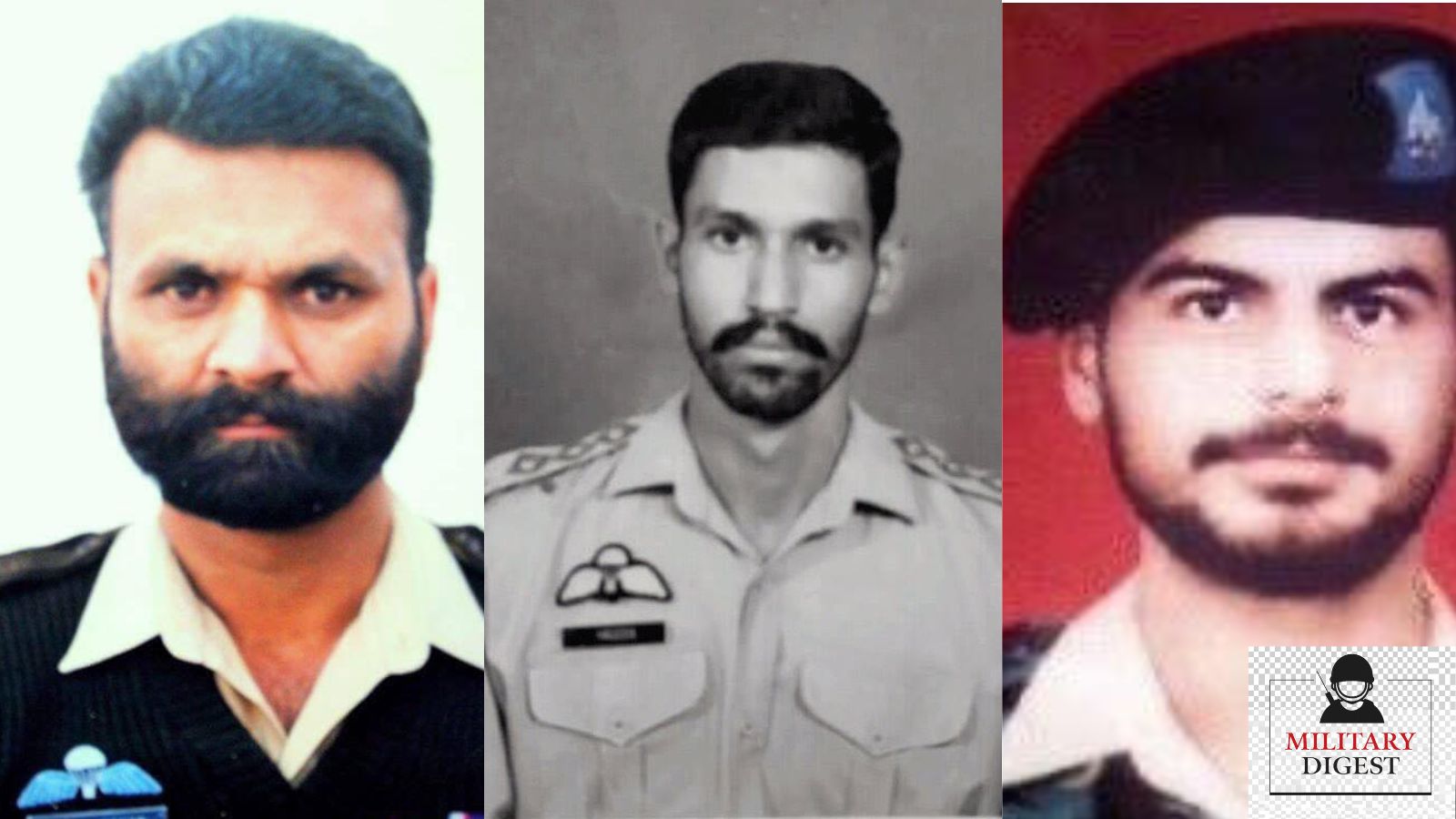
Notable Cases Documented by Major Imran
Captain Farhat Haseeb Haider (9 Punjab/7 NLI) led a counter‑attack in the Chorbat La sector in early June 1999 and was killed. Posthumously awarded Pakistan’s Sitara‑e‑Jurrat, his remains were never recovered and now rest beneath an anonymous boulder.
Major Abdul Wahab (32 Baloch/6 NLI) volunteered for the front‑line, was critically wounded on the Batalik sub‑sector, and chose to hold his position alone. Though honoured with the Sitara‑e‑Jurrat, Islamabad never secured his body from the slopes of Tololing.
Captain Muhammad Ammar Hussain (1 Commando Battalion, SSG) fought on Tiger Hill alongside Captain Karnal Sher Khan. While Brigadier M P S Bajwa arranged for Sher Khan’s repatriation, Hussain’s corpse was left where he fell, still lying on Tiger Hill.
Radio Dialogue and the ‘Izzat’ of the Regiment
In July 1999, Lieutenant Colonel Mustafa of Pakistan’s 19th Frontier Force Battalion radioed the Indian 3/3 Gorkha Rifles commander, invoking the honour (‘izzat’) of his battalion and requesting the return of his fallen men. Brigadier Bajwa, who led the Indian 192 Mountain Brigade that captured Tiger Hill, agreed on the condition that the bodies be transferred under full military customs, with white flags and stretchers, not in gunny bags.
Implications for Future Indo‑Pak Relations
Resolving these lingering burial cases could serve as a confidence‑building measure, easing the deep‑seated mistrust that still colours border negotiations. Failure to address the issue may perpetuate grief among Pakistani families and fuel nationalist rhetoric on both sides, complicating any future ceasefire or peace‑building initiatives.
Thus, Kargil Vijay Diwas is not merely a day of Indian remembrance; it is a reminder that the humanitarian responsibilities of war extend far beyond the battlefield, demanding respect for every fallen soldier, irrespective of the flag they bore.