The United States launched a fresh wave of strikes on 140 Iranian military sites, prompting Tehran to retaliate with missile and drone attacks on Bahrain, Kuwait, Qatar and the UAE. Gulf states have activated emergency air‑defence systems amid fears of wider escalation.
Key Takeaways
- US conducts fresh strikes on 140 Iranian military targets
- Gulf nations activate emergency air‑defence measures
- Iran retaliates with missile and drone attacks on Bahrain, Kuwait, Qatar and UAE
The United States announced on Sunday that it had carried out a coordinated operation against roughly 140 Iranian military sites, reigniting high‑level tension across the Middle East. Within hours, Iran responded with a series of missile and drone assaults aimed at key US‑aligned bases in the Gulf, raising alarms in Kuwait, Bahrain, Qatar and the United Arab Emirates.
Details of the US Strike
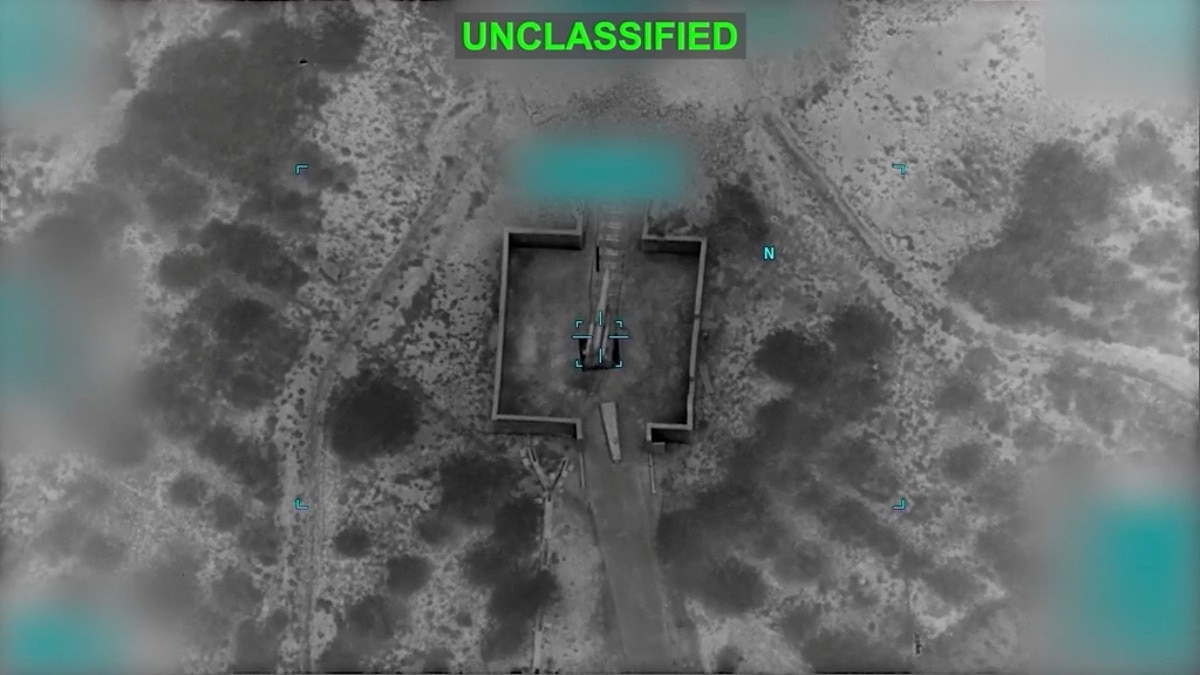
US Central Command (CENTCOM) said the operation employed precision‑guided munitions launched from fighter aircraft, drones and naval vessels. Targets included missile‑launch facilities, drone‑launch pads, naval assets, ammunition depots, communications nodes and coastal surveillance installations. The stated objective was to significantly degrade Iran’s ability to project power in the region.
Iranian Counter‑Offensive
Iran’s Islamic Revolutionary Guard Corps (IRGC) claimed it struck Bahrain’s Al Udeid Air Base—home to the US Fifth Fleet—by destroying a fighter‑maintenance centre and a command‑and‑control hub. In Kuwait, Iran reported hitting a Patriot air‑defence system, an ammunition depot and a radar site with explosive drones. The IRGC also announced a second wave of drone attacks on US communication and radar facilities in Bahrain, and ballistic missile launches at the US‑run Prince Hassan Air Base in Jordan.
Gulf Nations’ Defensive Response
Kuwait confirmed that its armed forces were intercepting hostile aerial objects over its airspace, though the exact number and origin of the objects remain undisclosed. Bahrain activated nationwide emergency sirens after its interior ministry issued a country‑wide alert. Qatar sent mobile‑phone warnings to residents after residents reported loud explosions, while the UAE announced that its air‑defence systems had successfully intercepted a missile threat.
Strait of Hormuz: A New Flashpoint
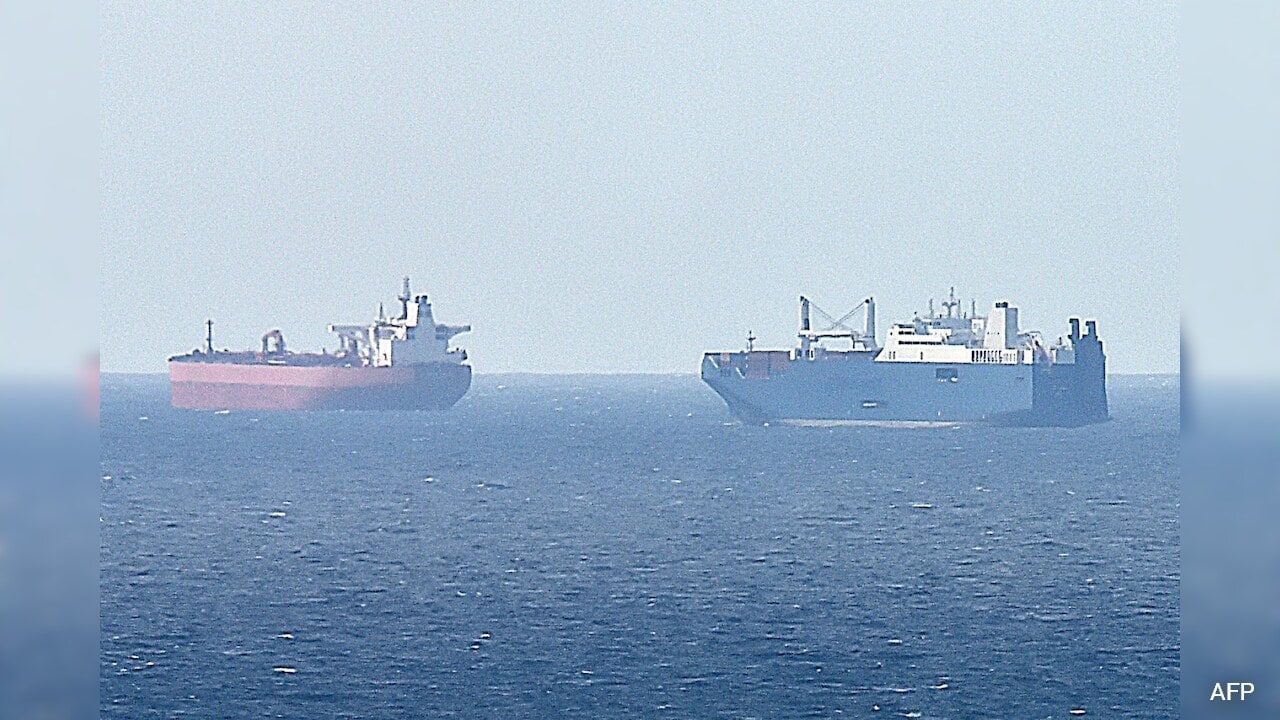
Amid the escalating exchange, Iran announced the closure of the Strait of Hormuz “until further notice,” threatening one of the world’s busiest maritime trade routes. The United Kingdom Maritime Trade Operations (UKMTO) reported that a Cyprus‑flagged container ship, M/V GFS Galaxy, was set ablaze after an alleged attack, forcing the crew to abandon ship. This development adds a commercial dimension to the geopolitical crisis, potentially disrupting global oil shipments.
Analysts warn that the rapid escalation could spill over into a broader regional conflict, jeopardising not only security but also global energy markets. Diplomatic channels remain the only viable path to de‑escalate a situation that now threatens both regional stability and international trade routes.