The 1960 Indus Waters Treaty, a cornerstone of Indo‑Pak water sharing, now faces its toughest test amid terror‑linked tensions and escalating water scarcity. Experts warn that new collaborative frameworks are essential to safeguard the agreement’s longevity.
Key Takeaways
- The Indus Waters Treaty, signed in 1960, divides five rivers between India and Pakistan.
- Recent terror attacks and water scarcity have put unprecedented pressure on the pact.
- Future water security will depend on renewed bilateral dialogue and joint technical initiatives.
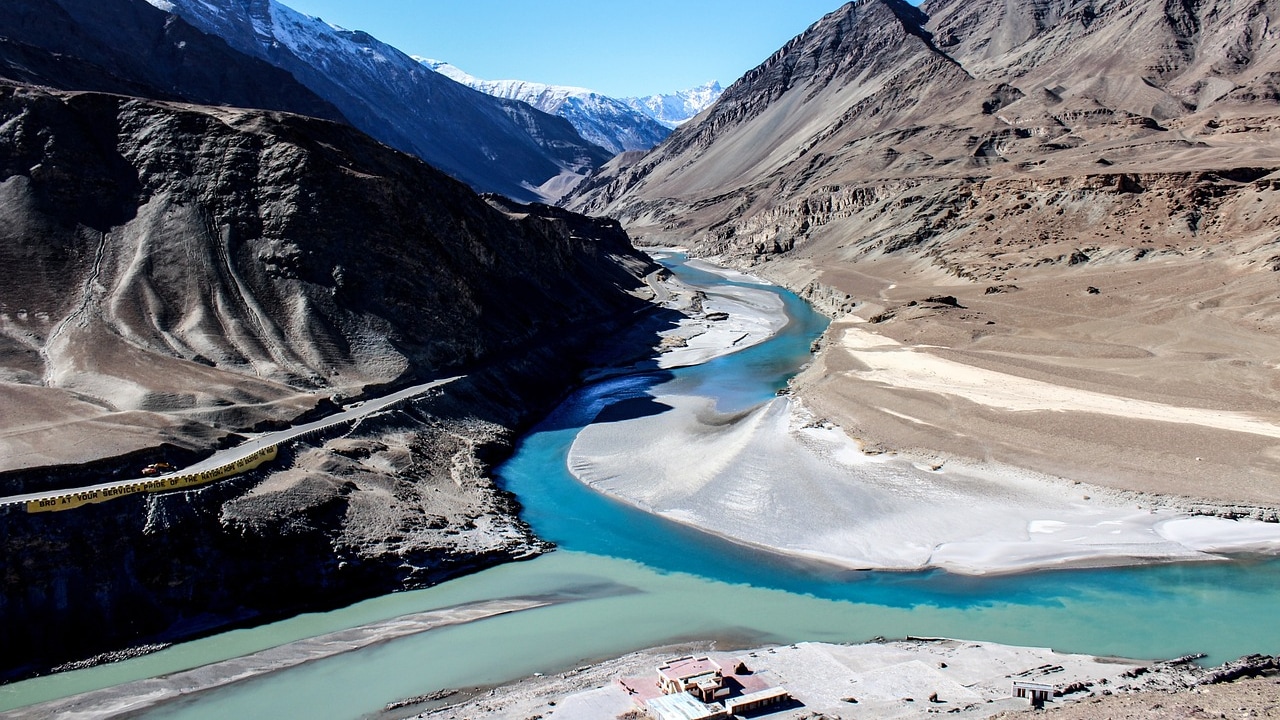
The Indus Waters Treaty (IWT) is often hailed as a diplomatic triumph that has survived three wars and numerous border skirmishes. After the 1947 Partition, both nations claimed rights over the Indus basin, prompting the United Nations to mediate a comprehensive water‑sharing arrangement. The treaty allocated the three eastern rivers—Sutlej, Beas and Chenab—to India, while the three western rivers—Indus, Jhelum and Kabul—were earmarked for Pakistan, with detailed mechanisms for dam construction, flow measurement and dispute resolution.
Turning Point: Terror‑Driven Pressure
The first major stress test did not arise in a courtroom but after the 2001 terrorist attack on the Indian Parliament. In retaliation, Pakistan threatened to halt water‑related projects and sought to reinterpret flow‑allocation clauses. International mediators, however, invoked the treaty’s technical annexes, allowing both sides to continue existing projects while preventing a full‑scale water war. This episode underscored the treaty’s resilience but also revealed how non‑water events could destabilise water diplomacy.
Current Strain: Climate Change, Droughts and Geopolitics
Today, the Indus basin grapples with climate‑induced variability—record floods in 2022 followed by severe droughts in 2023. Pakistan has repeatedly urged India to release higher flows during lean seasons, citing agricultural distress, while India emphasizes its own hydro‑electric ambitions on the eastern rivers. Simultaneously, both countries are pursuing new dam and irrigation projects that test the treaty’s “no‑new‑construction” provisions, raising the spectre of renewed legal battles before the Permanent Indus Commission.
Future Path: Bilateral Dialogue and Technological Cooperation
Water‑security scholars argue that the IWT must evolve from a static legal document into a dynamic, data‑driven partnership. Joint river‑flow monitoring, shared climate‑model forecasts, and coordinated flood‑early‑warning systems could transform competition into collaboration. Moreover, leveraging international platforms such as the World Bank’s Water Governance Programme could inject neutral expertise and financing into joint infrastructure.
Conclusion
After more than six decades, the Indus Waters Treaty stands at a crossroads. Its survival will hinge on whether India and Pakistan can re‑imagine water sharing as a mutual security asset rather than a zero‑sum game. A proactive, technology‑enabled dialogue could not only preserve the treaty but also set a precedent for transboundary water governance worldwide.