Iran has declared the Strait of Hormuz closed after a warning shot hit a ship on an unauthorized route, deepening tensions in the fragile US‑Iran cease‑fire. The move threatens global oil flows and raises the prospect of further military escalation.
Key Takeaways
- Iran re‑closes the strategic Strait of Hormuz
- A vessel on an unauthorized route was struck by a warning shot
- US‑Iran cease‑fire faces renewed strain and possible escalation
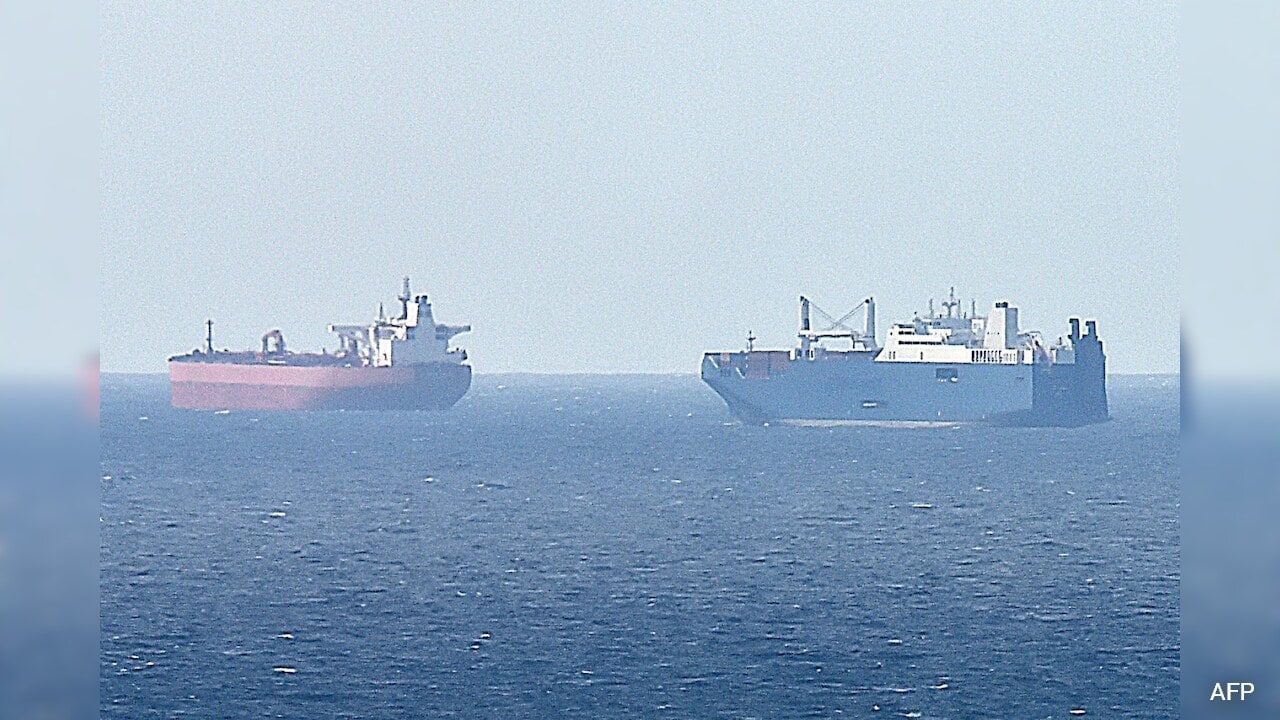
The Strait of Hormuz, a vital artery for world energy shipments, has been declared closed by Tehran on Saturday after a warning shot struck a vessel navigating an unauthorized route. This announcement comes amid a series of maritime skirmishes that have already pushed the fragile US‑Iran cease‑fire to the brink.
Strategic Importance of the Strait
Before the conflict, roughly one‑fifth of global oil and natural gas transited the Hormuz corridor, making it a linchpin for international markets. Iran insists on sovereign control and the right to levy fees on passing ships, while the United States has urged commercial vessels to use a southern detour through Omani waters. Control over this chokepoint directly influences global oil prices, as witnessed during earlier phases of the war.
Diplomatic Maneuvers: Iran‑Oman Talks
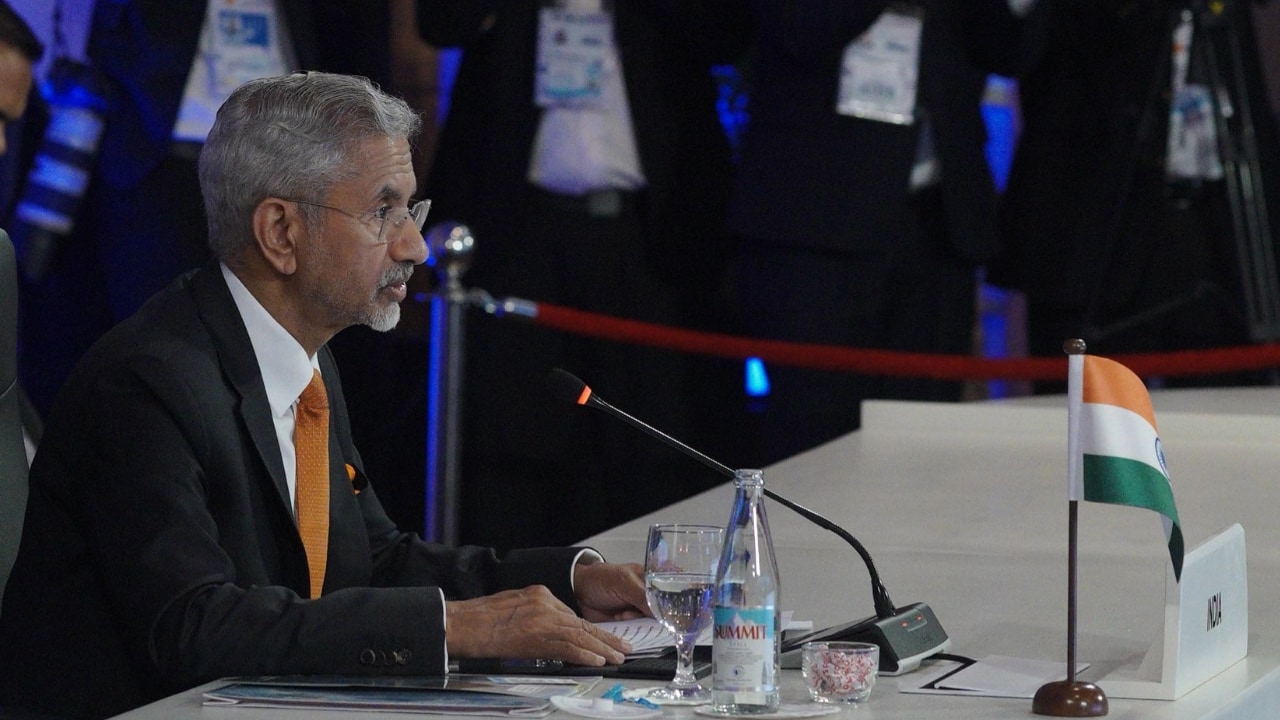
Iranian Foreign Minister Abbas Araghchi met his Omani counterpart to discuss “appropriate mechanisms for ensuring the safe passage of ships.” Both sides pledged to continue dialogue at technical and political levels, a response to a US demand that Tehran publicly affirm the strait remains open and that ships will not be targeted.
Cease‑Fire Under Stress
Hours after the meeting, Iran’s newly installed Supreme Leader Mojtaba Khamenei — who has remained out of public view since the war’s onset — vowed retaliation for the killing of his father, Ayatollah Ali Khamenei, during the opening strikes on February 28. Meanwhile, U.S. President Donald Trump warned of “a thousand missiles locked and loaded” aimed at Iran, should Tehran act on its threats.
Regional Fallout and Global Energy Outlook
Recent Iranian attacks on ships, followed by U.S. strikes, have resulted in at least 17 deaths and 115 injuries, according to Iran’s Health Ministry. The ongoing hostilities risk reigniting a broader energy crisis, with oil prices already volatile after peaking at $120 per barrel earlier in the war. If the cease‑fire collapses, the ripple effect could destabilize not only Middle Eastern security but also worldwide energy supplies.
In sum, the closure of the Strait of Hormuz underscores the precarious balance between diplomatic negotiations and military posturing. The outcome of Iran‑Oman talks, combined with U.S. strategic decisions, will likely dictate the next chapter of this high‑stakes confrontation.