An Iranian attack on a Cyprus‑flagged vessel carrying Indian crew members has revived worries about fuel and fertilizer flows through the Strait of Hormuz. India assures ample crude reserves while markets await price reactions.
Key Takeaways
- Iranian forces attacked a Cyprus‑flagged ship with Indian crew
- Renewed risk of fuel and fertilizer supply disruption via the Strait of Hormuz
- India confirms sufficient crude oil stocks to weather short‑term shocks
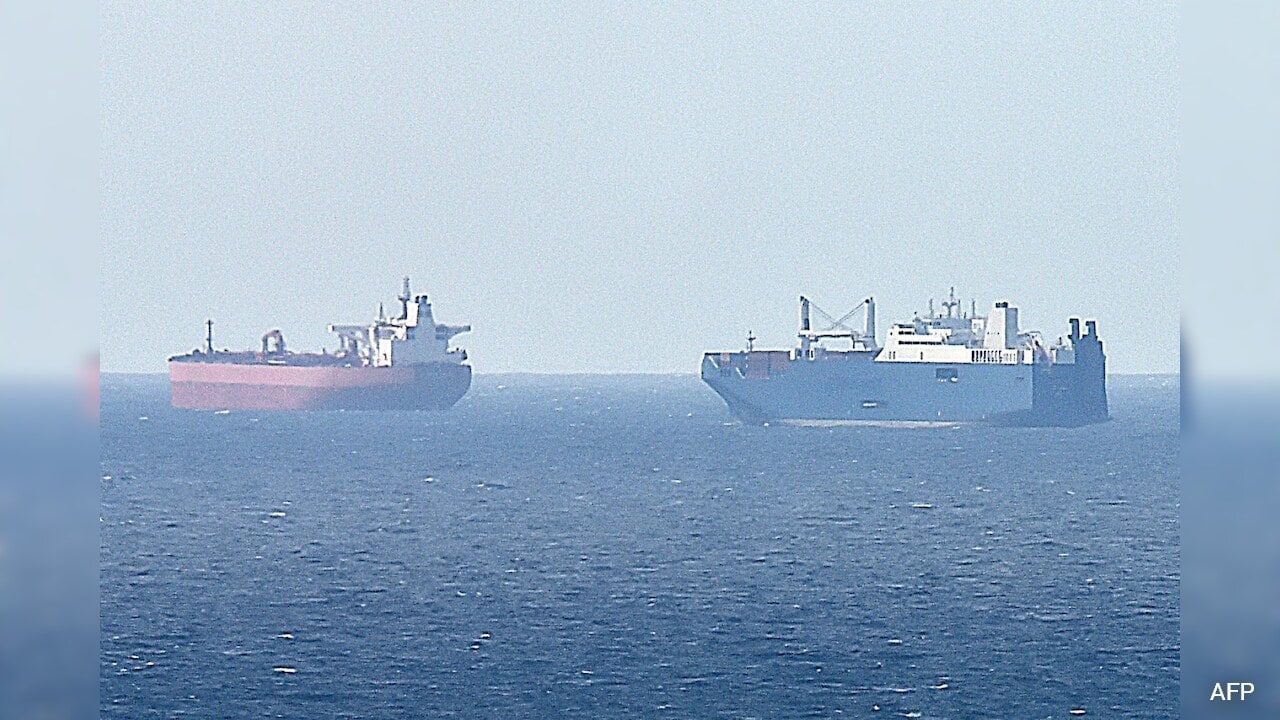
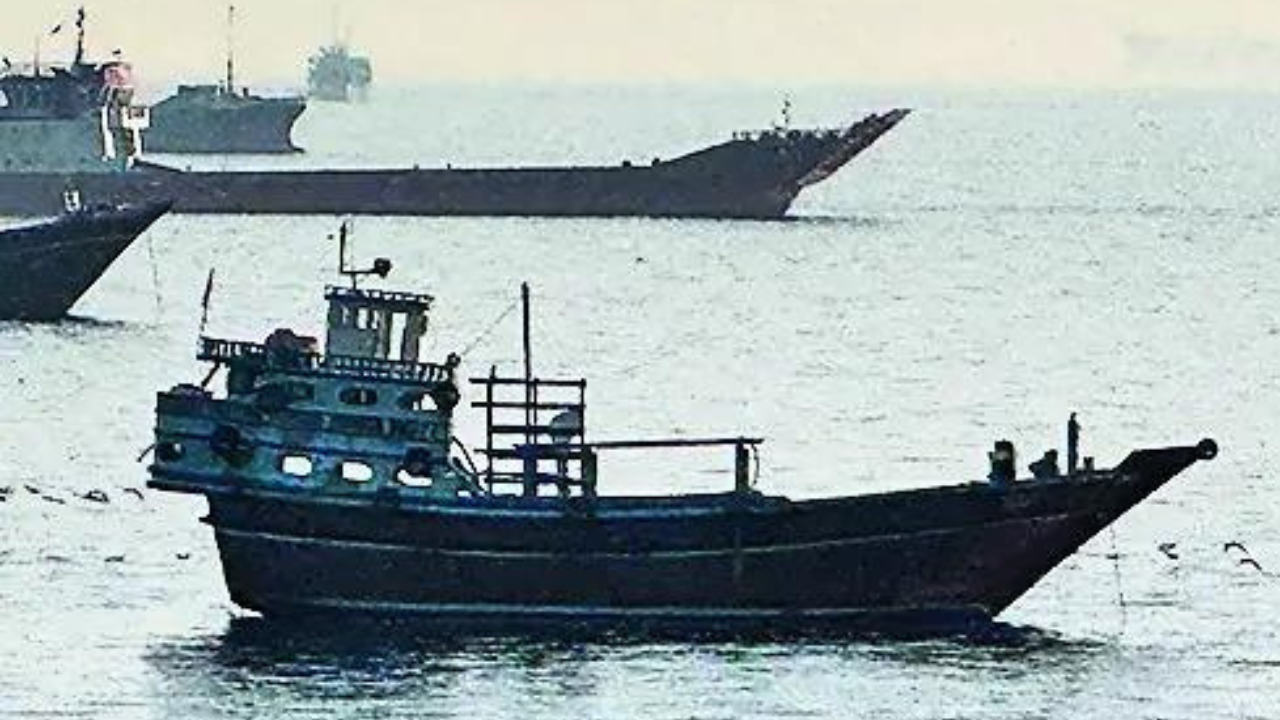
On Sunday, Iranian forces launched an attack on a Cyprus‑flagged vessel manned in part by Indian seafarers. The incident has reignited anxiety among shipping lines and maritime unions about the safety of the Strait of Hormuz, a chokepoint through which roughly one‑fifth of the world’s oil passes daily. While most India‑bound ships have so far transited the waterway without incident, the latest strike injects fresh uncertainty into the movement of vessels destined for West Asia.
Strategic importance of the Hormuz corridor
The Hormuz Strait is a linchpin of global energy logistics, conveying not only crude oil but also fertilizers and other bulk commodities. Any escalation in the region can ripple through international markets, inflating prices and straining supply chains. The attack comes amid a broader Iran‑UAE tension, reminding stakeholders that the corridor’s stability is perennially fragile.
India’s immediate response
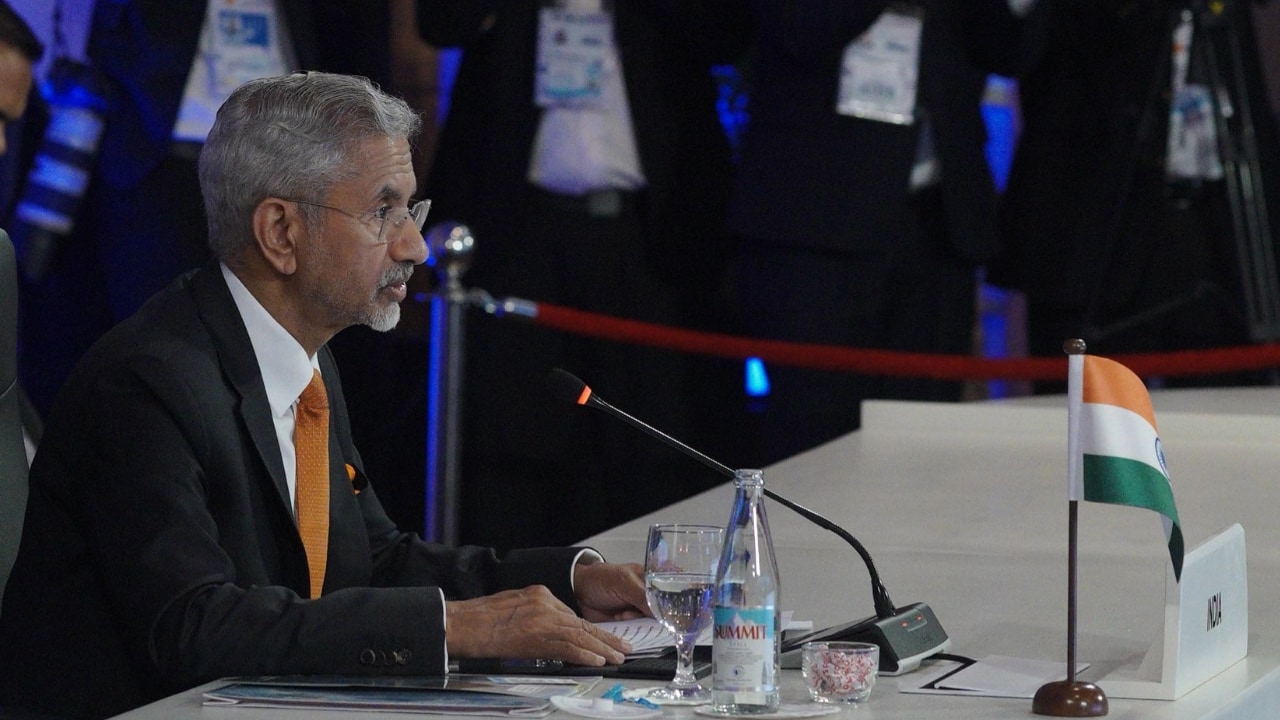
India’s maritime regulator, DG Shipping, has pledged close monitoring and hinted at a possible new advisory for seafarers. Simultaneously, a senior official from the Ministry of Petroleum, speaking on condition of anonymity, confirmed that the nation holds ample stocks of crude oil, petroleum products, and gas, and that cargoes from other regions remain tied up. “We are in a wait‑and‑watch mode,” the official said, “but we expect vessel movements to continue through the strait without affecting energy supplies to India.”
Potential impact on global oil prices
Analysts expect the immediate effect on crude prices to materialise when markets reopen on Monday. Should the Hormuz route remain partially operational, the shock to Indian energy imports may be limited. Nonetheless, experts stress the need for contingency planning, as geopolitical flashpoints can quickly evolve into prolonged disruptions.
Overall, the episode underscores the enduring nexus between regional security and global energy flows, while India’s robust reserve strategy offers a buffer against short‑term volatility.