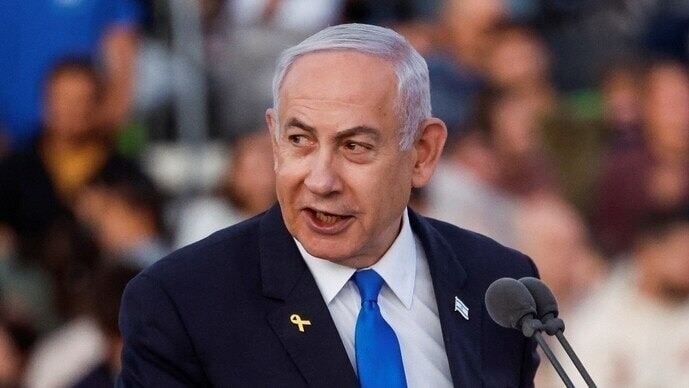
Israel has set 27 October 2026 for its general election, marking the first time in 38 years that voting will occur on schedule. Prime Minister Benjamin Netanyahu faces a critical test as the nation debates whether he will retain power or cede the stage to new leadership.
Key Takeaways
- Voting scheduled for 27 October 2026
- First on‑time election in 38 years
- First full‑term completion in 53 years
Israel officially announced that the general election will be held on 27 October 2026, making it the first election in 38 years to take place exactly as scheduled. With the date set, political parties are mobilising rapidly for what promises to be a decisive contest.
Historical Context
Israeli politics has been characterised by frequent early elections triggered by coalition collapses, loss of parliamentary confidence, or strategic dissolutions. Since 1973, there has never been an election where the incumbent government completed its full four‑year term before calling a vote. This will be the first time in 53 years that a government finishes its mandate and then proceeds to a scheduled election, signalling a rare moment of political stability.
Netanyahu’s Campaign Strategy
Prime Minister Benjamin Netanyahu has declared his intention to run for another term, emphasizing a “national unity” government that transcends single‑party ideology. His campaign narrative centres on security—highlighting the ongoing threats from Iran, Hezbollah in Lebanon, and the Gaza Strip. Netanyahu argues that a strong defence posture is essential for Israel’s future, a message that resonates with a sizable portion of the electorate.
Potential Outcomes and Regional Implications
A recent Channel 12 poll shows Netanyahu’s Likud party and Gadi Eisenkot’s new party neck‑and‑neck, each projected to secure 23 seats out of the 120‑member Knesset. This tight race suggests that coalition building will be crucial and potentially contentious. A Netanyahu victory would likely maintain the current security‑first policies, whereas a new coalition could usher in a shift toward diplomatic engagement and regional de‑escalation.
Israel’s Electoral Mechanics
Israel employs a proportional representation system for its 120‑seat Knesset, with elections held every four years unless a government collapses early. Parties must cross a 3.25% electoral threshold to gain seats, encouraging a multi‑party landscape and making coalition negotiations a central feature of governance.