Islamabad and Riyadh have expressed deep concern over the escalating conflict in West Asia, warning that clashes between the US and Iran threaten regional stability despite the recently signed Islamabad MoU.
Key Takeaways
- Saudi Arabia and Pakistan express deep concern over the US-Iran clashes threatening West Asian stability.
- The escalation comes despite the signing of the historic Islamabad MoU on June 18, 2026.
- Pakistan's PM Shehbaz Sharif and Deputy PM Ishaq Dar are actively mediating alongside Qatar to revive stalled peace talks.
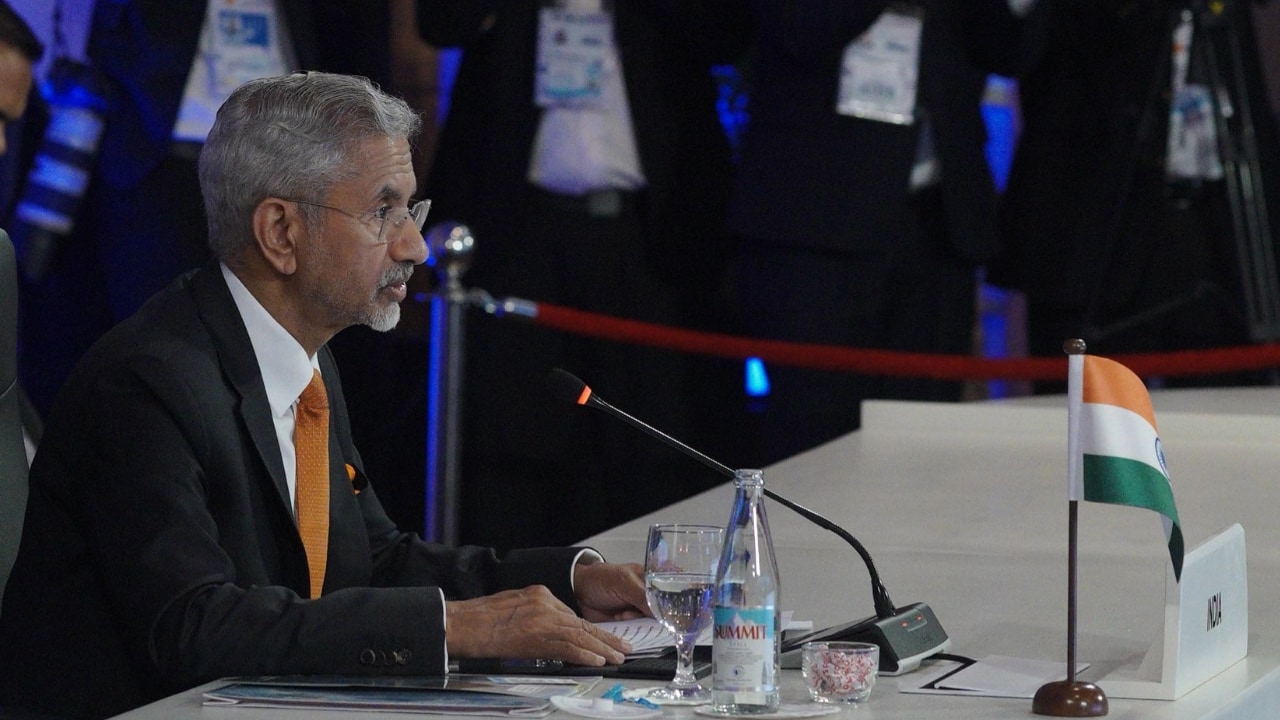
In a significant diplomatic development, Pakistan and Saudi Arabia have voiced profound concern over the rapid escalation of conflict in West Asia. During a high-level telephonic conversation, Pakistan's Deputy Prime Minister and Foreign Minister Senator Mohammad Ishaq Dar and Saudi Foreign Minister Prince Faisal bin Farhan al Saud emphasized that the recent military hostilities between the United States and Iran pose a severe threat to regional peace and security.
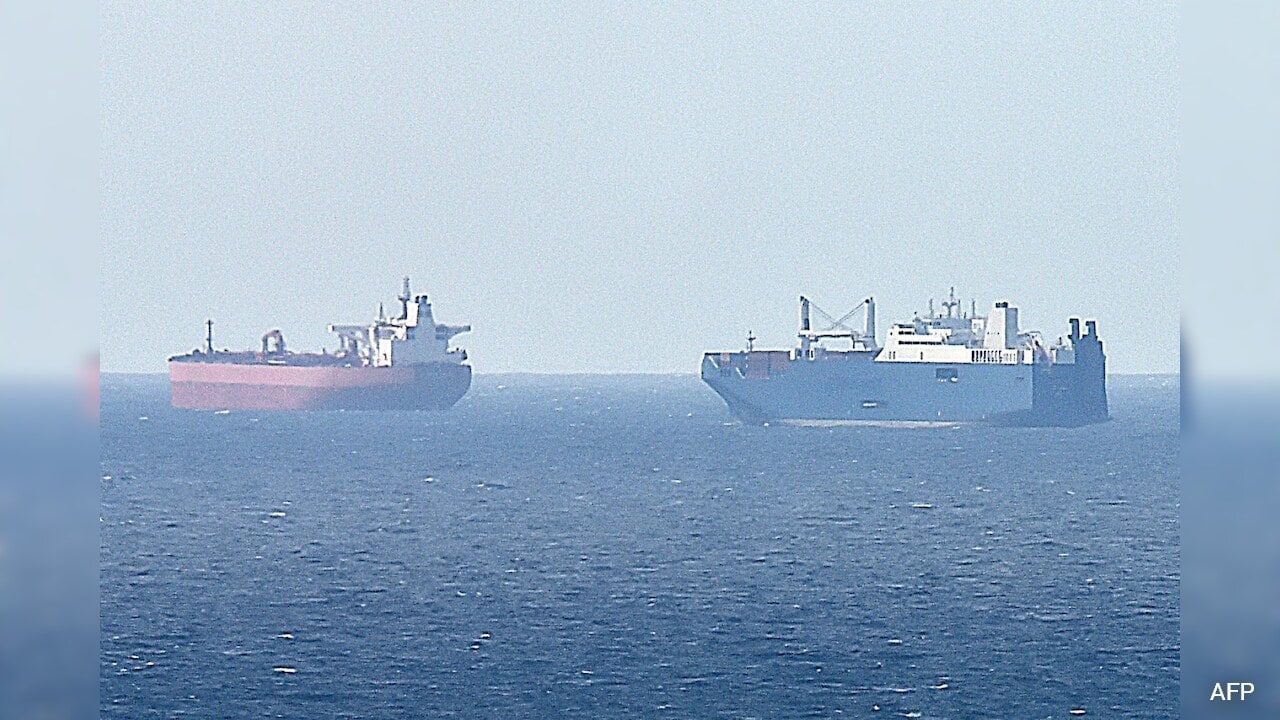
This diplomatic anxiety arises despite the landmark signing of the Islamabad MoU on June 18, 2026, which was designed to establish a framework for peace in West Asia. Following the MoU, technical-level talks were facilitated in Switzerland with Pakistan and Qatar acting as key mediators. However, recent escalations, including U.S. military strikes against Iranian targets in response to an attack on a civilian vessel in the strategic Strait of Hormuz, have severely strained the fragile peace agreement.
Pakistan has positioned itself as a central mediator in the crisis. Prior to the foreign ministers' call, Pakistani Prime Minister Shehbaz Sharif held strategic discussions with the leadership of Iran and Qatar. The objective of these high-stakes diplomatic maneuvers is to revive the stalled U.S.-Iran negotiations and prevent a wider regional conflagration. During his exchange with Prince Faisal, Minister Dar reaffirmed Pakistan's stance, urging all parties to exercise maximum restraint and give diplomatic channels the necessary time and space to yield results.
From Riyadh's perspective, Prince Faisal highlighted the Kingdom's commitment to de-escalation and continuous dialogue, asserting that renewed conflict serves no nation's strategic interests. Simultaneously, Pakistan's diplomatic outreach extended to other regional partners. Minister Dar held a separate conversation with Maldives Foreign Minister Iruthisham Adam, who commended Pakistan's active mediation efforts in the U.S.-Iran conflict, signaling broad regional endorsement for Islamabad's diplomatic initiatives.
Analysts suggest that the fragility of the Islamabad MoU underscores the deep-seated mistrust between Washington and Tehran. The Strait of Hormuz remains a critical global choke point, and any prolonged conflict there could trigger massive disruptions in global energy markets. The collaborative efforts of Saudi Arabia, Pakistan, and Qatar represent a crucial regional coalition attempting to prevent a localized conflict from spiraling into a global economic and security crisis.