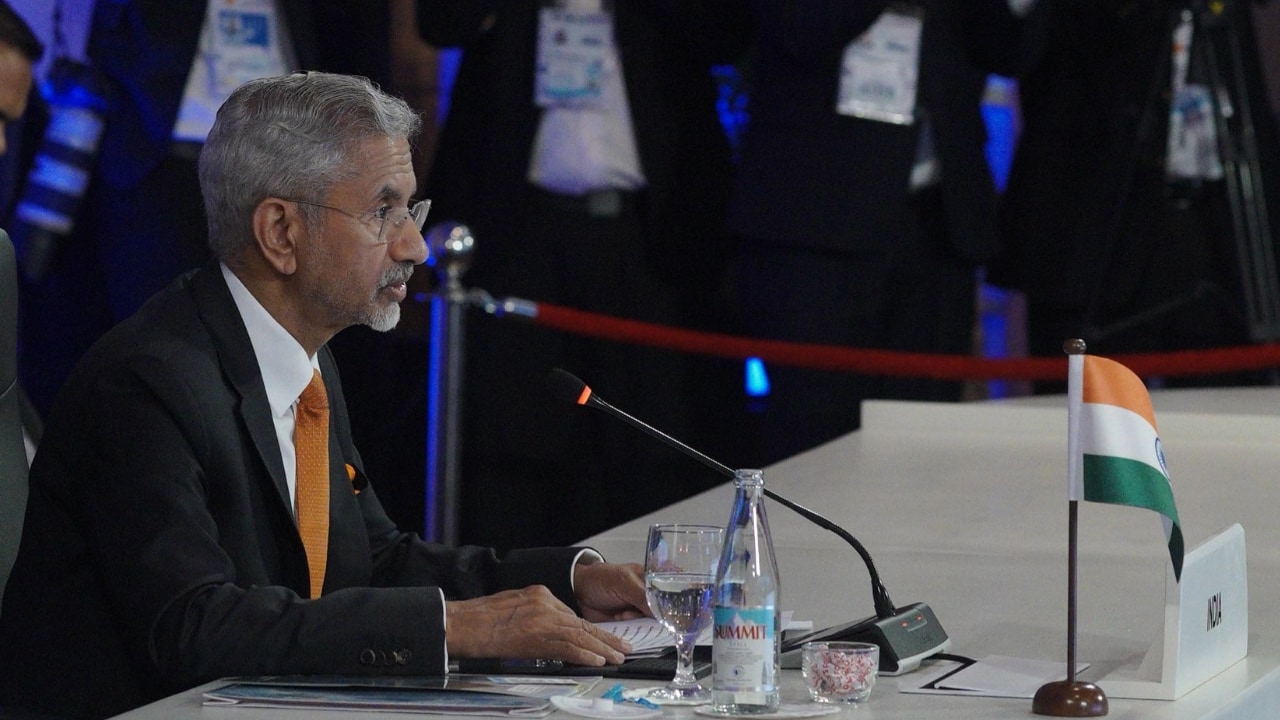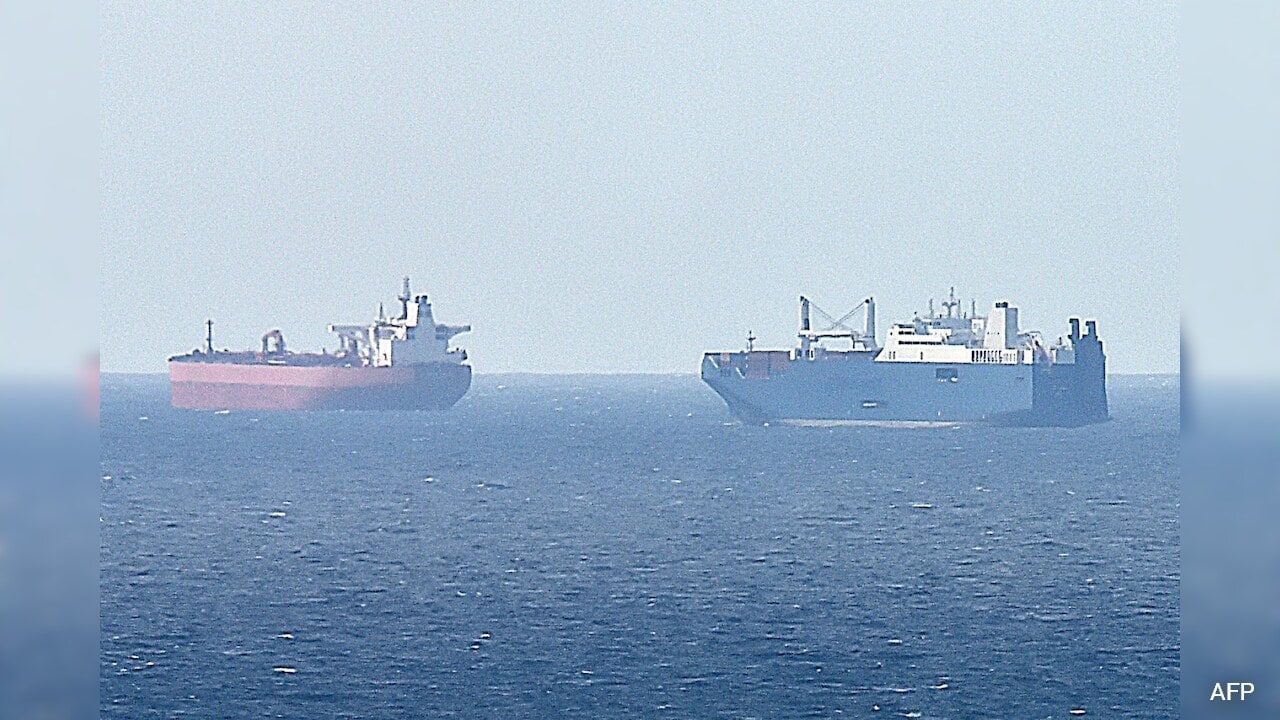
Pakistan and Saudi Arabia expressed deep concern over the escalating US‑Iran clash, warning that the Islamabad MoU has failed to safeguard regional stability. The concern was voiced during a ministerial call between Pakistan’s Foreign Minister Ishaq Dar and Saudi Prince Faisal bin Farhan.
Key Takeaways (मुख्य बिंदु)
- Renewed US‑Iran escalation threatens regional peace
- Islamabad MoU has not prevented renewed hostilities
- Pakistan and Saudi Arabia are intensifying diplomatic mediation
During a Saturday telephone conversation, Pakistan’s Foreign Minister Ishaq Dar and Saudi Prince Faisal bin Farhan voiced alarm over the fresh US‑Iran clash in West Asia. Both officials warned that the recent flare‑up jeopardises regional stability, even after the two powers signed the Islamabad Memorandum of Understanding (MoU) on June 18, 2026.
Background: A Troubled US‑Iran Relationship
The United States and Iran have been locked in a volatile relationship for decades, marked by disputes over nuclear ambitions, proxy wars across the Middle East, and competing maritime security interests. After a series of escalations in 2024‑2025, the international community pushed for renewed dialogue, culminating in technical‑level talks in Switzerland on June 21, 2026, with Pakistan and Qatar acting as mediators.
Limitations of the Islamabad MoU
While the MoU signaled a willingness to restart diplomatic channels, on‑ground incidents—such as US naval exercises in the Gulf and Iran’s missile tests—have eroded confidence in its effectiveness. Pakistan’s Foreign Office noted that despite the agreement, “the renewed conflict serves no one's interest and weakens efforts towards regional peace and stability.”
Pakistan‑Saudi Diplomatic Push
In the call, Dar emphasized that all parties must “exercise maximum restraint” and grant mediation efforts “the time and space needed for a peaceful outcome.” The Saudi minister echoed this sentiment, underscoring the importance of de‑escalation and continuous dialogue. Both nations pledged to stay in close contact, signaling a coordinated diplomatic front.
Implications and Future Outlook
If sustained, these high‑level diplomatic exchanges could help contain the US‑Iran flashpoint. Yet, deep strategic divergences between Washington and Tehran, coupled with proxy actors across the region, pose significant challenges. Analysts argue that the success of Pakistan’s mediation and Saudi Arabia’s diplomatic pressure will hinge on their ability to persuade both sides to adopt a “joint strategic framework” that addresses security concerns while limiting escalation.