During visits to Indonesia, Australia and New Zealand, Prime Minister Narendra Modi presented leaders with a range of handcrafted Indian gifts. Items such as an Odisha Ikat, Kashmiri stole, Dhokra boat sculpture and premium coffee box highlighted the nation’s cultural diversity.
Key Takeaways
- India used cultural artifacts to deepen diplomatic ties
- Gifts represented distinct regional crafts and traditions
- Cultural diplomacy emerged as a strategic tool in foreign policy
Prime Minister Narendra Modi’s recent diplomatic tours to Indonesia, Australia and New Zealand were marked by a thoughtfully curated set of gifts that celebrated India’s rich artistic heritage. Rather than generic souvenirs, each item was chosen to reflect a specific regional craft, reinforcing the narrative of a culturally vibrant India on the global stage.
Odisha Ikat for Indonesia’s Parliament Speaker
In Jakarta, Modi presented Parliament Speaker Puan Maharani with an Odisha Ikat silk fabric. The Ikat, renowned for its tie‑and‑dye technique and symmetrical motifs, is woven in traditional centers such as Sambalpur and Bargarh. By gifting this textile, India highlighted the state’s centuries‑old weaving tradition and offered a tangible story of regional identity.
Kashmir Wool Stole and Dhokra Boat for Australia
Australian Prime Minister Anthony Albanese’s spouse received a pure‑wool embroidered stole from Kashmir, showcasing the valley’s delicate needlework and floral motifs. The Prime Minister himself was given two distinct gifts: a Dhokra boat sculpture—crafted using the ancient lost‑wax casting method—and a premium Indian coffee box. The boat, depicting tribal figures navigating a vessel, symbolizes cooperation and shared progress, while the coffee box underscores India’s growing reputation in specialty coffee production.
Madhubani Painting for New Zealand’s Governor‑General
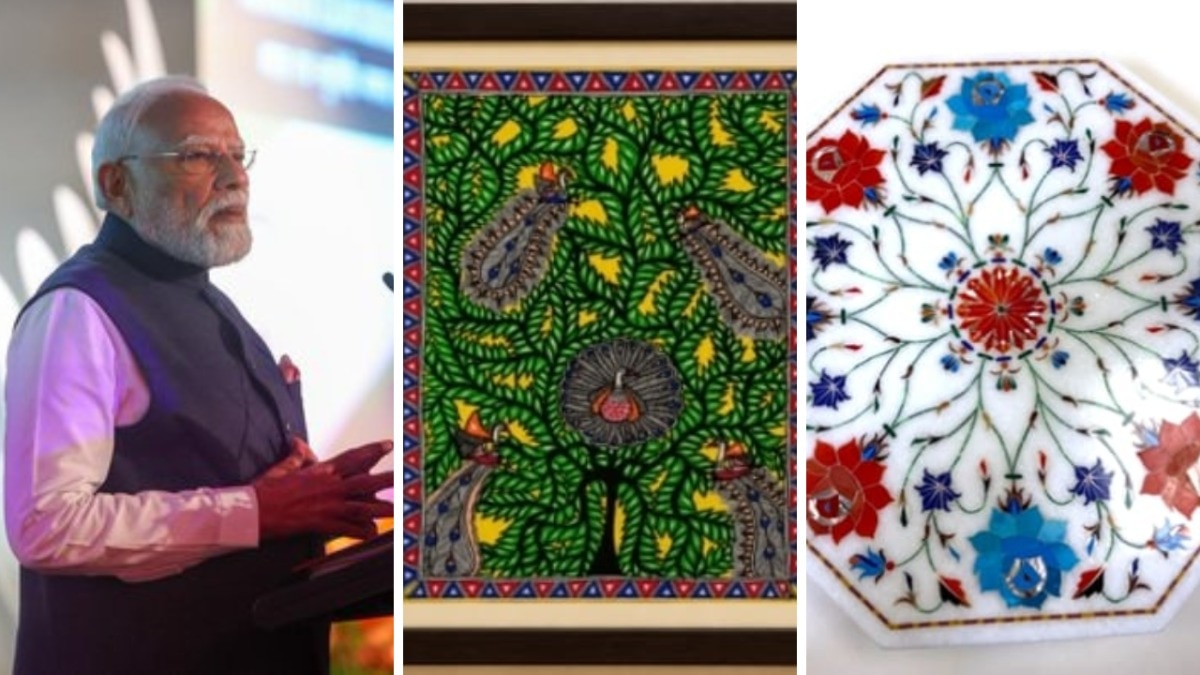
To the Governor‑General of Victoria, Modi gifted a vibrant Madhubani painting from Bihar’s Mithila region. The artwork, characterized by bold outlines, natural pigments, and motifs of peacocks and trees, encapsulates the philosophical bond between humanity and nature inherent in folk art.
Implications for Cultural Diplomacy
These gestures go beyond aesthetics; they serve as “cultural ambassadors” that can soften geopolitical tensions and build goodwill. Analysts argue that such tangible expressions of heritage can open new market opportunities for artisans while reinforcing bilateral ties through shared appreciation of craftsmanship.