Russian forces launched a naval attack on a key Ukrainian port in the Black Sea, igniting a massive fire aboard a cargo vessel. The footage of the blaze has heightened concerns across the international community.
Key Takeaways
- Russian navy attacked a major Ukrainian Black Sea port
- A cargo ship caught fire, raising fears of extensive damage
- The incident could disrupt global grain supply chains and regional security
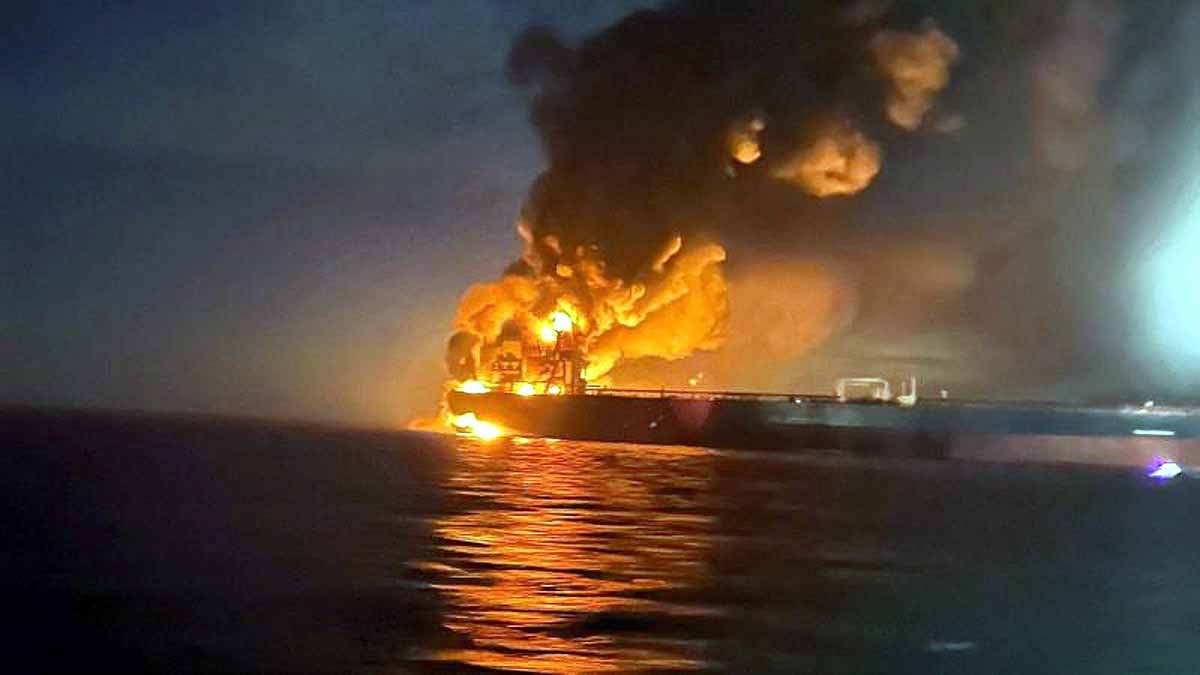
Russian forces’ recent strike on a Ukrainian port in the Black Sea has reignited geopolitical tensions across the region. Video footage shows a large cargo vessel ablaze, with flames soaring above the deck, underscoring the heightened risk to maritime logistics.
Strategic Context
The Black Sea is a critical conduit for Ukraine’s export‑driven economy, especially for grain, coal, and industrial goods. Since 2022, Russian naval actions have intermittently blocked this waterway, driving up global grain prices. The latest assault employed rockets and missiles similar to those used in prior attacks on Kherson and Odesa, reflecting a continued strategy to cripple Ukraine’s trade routes.
Details of the Fire
The video captures flames reaching roughly 30 meters, while the ship’s alarm system blared. Initial reports indicate the crew was evacuated without serious injuries, though verification is pending. Experts suggest that the cargo—potentially hazardous chemicals or fuel tanks—accelerated the blaze, posing additional threats to the marine environment.
International Reaction and Potential Impact
The United Nations Security Council labeled the incident a “serious threat to regional stability” and called for an immediate cease‑fire dialogue. The European Union condemned the attack as “unprovoked and unlawful,” while the United States warned of possible further sanctions. Continued aggression could choke grain shipments to Europe and the Middle East, jeopardizing global food security.
Looking Ahead
Going forward, bolstering multinational naval cooperation to protect Ukrainian ports is imperative. Updating maritime security protocols and deploying anti‑torpedo technologies are also recommended to swiftly contain such emergencies.