Amid rising US‑Iran tensions, Washington says the Omani southern route through the Strait of Hormuz remains open, even as Tehran declares the waterway shut. The clash threatens global oil flows and regional security.
मुख्य बिंदु (Key Takeaways)
- Iran claims to have closed the Strait of Hormuz, but the Omani southern route stays operational.
- The US maintains a naval presence to guarantee freedom of navigation.
- Escalating tensions could spike oil prices and disrupt worldwide supply chains.
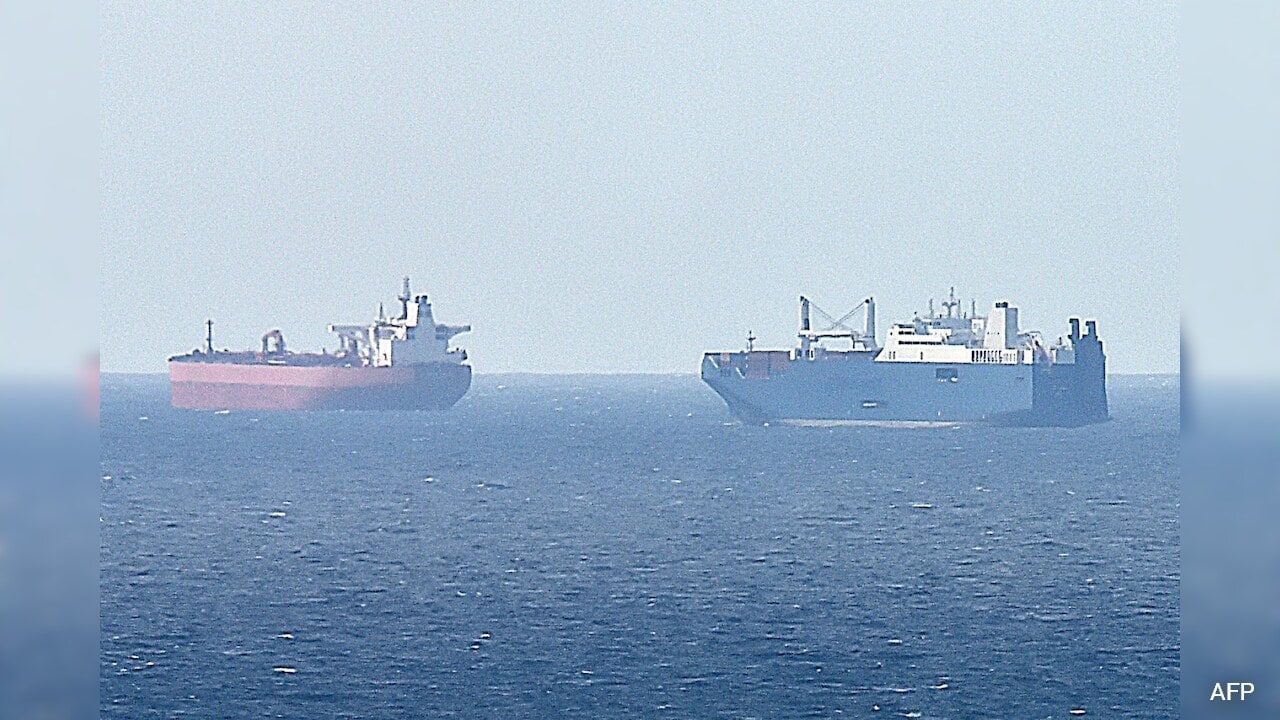
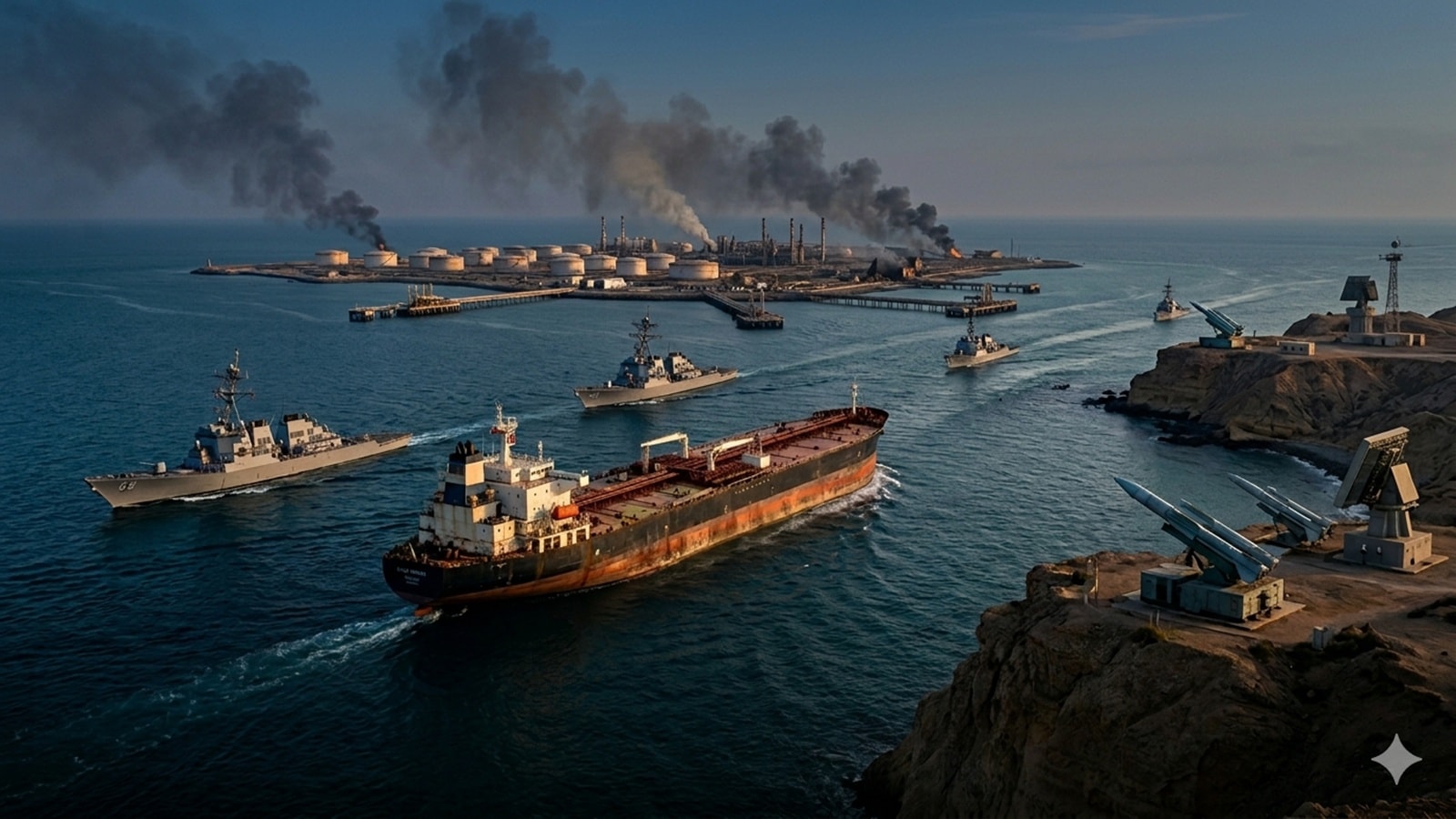
U.S. and Iranian forces exchanged missiles and drones on Sunday after Washington retaliated for an Iranian strike that set a vessel ablaze in the Strait of Hormuz. Iran officially announced the closure of the strait, yet the United States reports two‑way traffic continuing via the Omani “southern route.”
Strategic Significance of Hormuz
The Strait of Hormuz handles roughly one‑fifth of the world’s oil shipments, making it a chokepoint of unparalleled importance. Past closures—such as the 1996 Iraqi missile attacks and the 2019 Iranian rocket launches—have always been met with international pressure to keep the lane open under maritime law.
Current Navigation Status
The Joint Maritime Information Center (JMIC), overseen by the U.S. Navy, confirmed that vessels can safely transit the Omani side of the strait. CNN quoted JMIC officials stating, “U.S. forces are prepared to maintain freedom of navigation and safeguard lawful commerce in accordance with international law.” Nonetheless, the agency warned that the threat level in the waterway remains “severe.”
Regional Retaliation and Counter‑measures
In response to U.S. strikes, Iran’s Islamic Revolutionary Guard Corps has targeted several Gulf states, including Kuwait, Qatar, Bahrain and Oman. The U.S. Central Command reiterated that the strait is open for all lawful vessels and dismissed Iran’s unilateral closure as illegitimate.
Global Impact and Potential Way Forward
Any disruption in Hormuz can instantly drive up crude prices, reverberating through global markets. Analysts suggest that diplomatic engagement—potentially mediated by European powers—offers the most viable path to de‑escalation. Simultaneously, heightened maritime surveillance and the development of alternative routes are essential to safeguard international trade.