Ukraine's Prime Minister Yulia Svyrydenko stepped down while President Volodymyr Zelenskyy unveiled a sweeping cabinet overhaul amid ongoing war, signaling a shift in political and strategic priorities.
Key Takeaways
- Prime Minister Yulia Svyrydenko resigns
- Zelenskyy announces a comprehensive government reshuffle
- Ukrainian drone strikes hit Russian oil facilities, escalating fuel shortages
Prime Minister Yulia Svyrydenko announced her resignation on Sunday, as President Volodymyr Zelenskyy disclosed a wide‑ranging reshuffle of Ukraine’s government. The move comes at a critical juncture in the protracted conflict with Russia, suggesting a recalibration of Kyiv’s wartime governance and diplomatic outreach.
Resignation Details and Svyrydenko’s Statement
In a social‑media post, Svyrydenko expressed pride in having led the government “during one of the most difficult periods in Ukraine’s modern history.” She added that she had discussed “next steps” with President Zelenskyy, though she withheld specifics about her future role. Formerly the economy minister, Svyrydenko’s resignation could foreshadow shifts in economic policy, especially given her pivotal role in securing the US‑Ukraine mineral agreement last year.
Zelenskyy’s Reshuffle Blueprint
Zelenskyy emphasized that each priority area of foreign policy will now be overseen by a seasoned official capable of translating high‑level agreements into tangible outcomes for the Ukrainian people. He also indicated changes at the top of law‑enforcement agencies, aiming to tighten internal security while the country remains under fire. This strategic realignment is intended to reinforce Ukraine’s diplomatic leverage and streamline decision‑making amid the ongoing war.
Escalating Cross‑Border Strikes
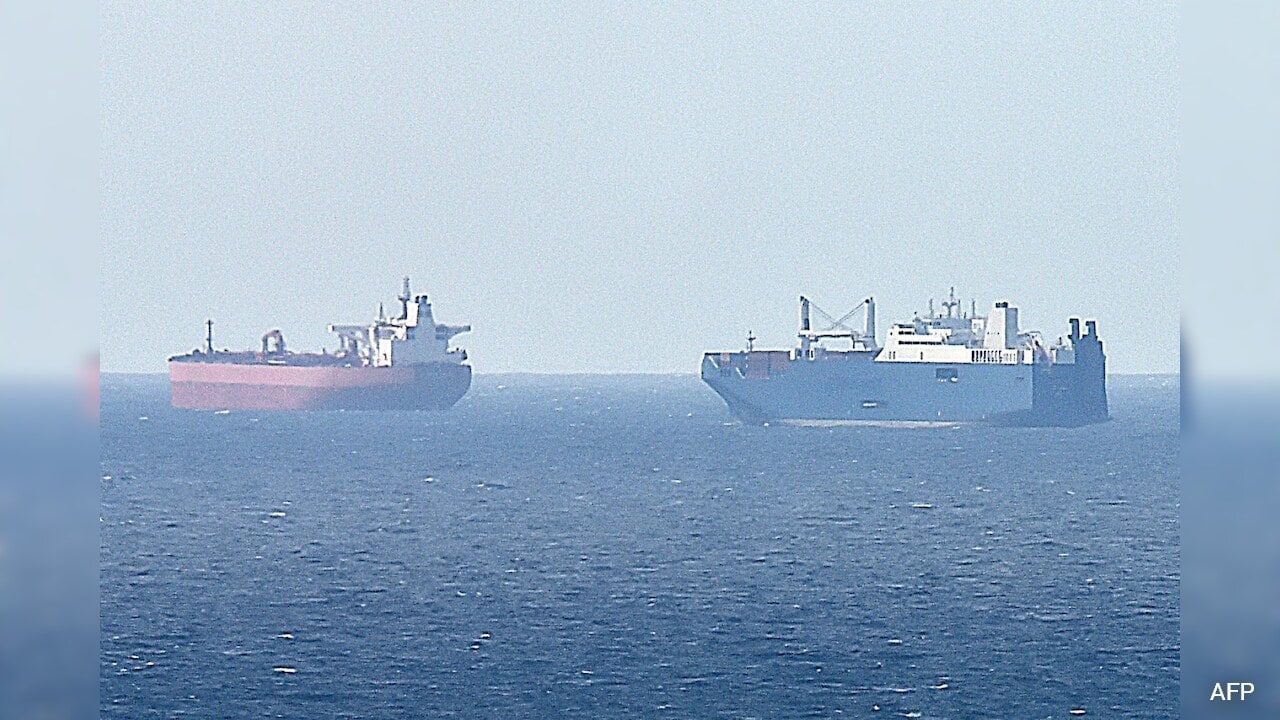
Simultaneously, Russian officials reported a Ukrainian attack in the Samara region that injured a child among three others, damaging residential buildings and an industrial site believed to be the Syzran Oil Refinery, owned by Rosneft. In the Rostov region, a drone strike targeted a tanker in the Azov‑Black Sea canal, though the vessel was empty and no oil spill occurred. These strikes have intensified fuel shortages across Russia, prompting rationing and long queues at petrol stations.
Implications for the Conflict
Analysts argue that the combined political reshuffle and renewed cross‑border attacks underline Kyiv’s intent to press both diplomatic and military pressure on Moscow. Zelenskyy’s new foreign‑policy appointments could tighten ties with key allies, while the continued targeting of Russian energy assets aims to erode Moscow’s war‑fighting capacity. The evolution of Ukraine’s internal leadership will be a crucial factor in shaping the next phase of the conflict.