Intensified Russian drone and missile strikes are straining Kyiv's air defenses. President Zelenskyy urges allies to fast‑track Patriot deliveries, while Europe confronts the vulnerabilities of relying heavily on U.S. interceptors.
Key Takeaways
- Russian drone and missile assaults are stretching Ukraine's air‑defence capacity.
- Europe's reliance on U.S. Patriot interceptors exposes production and stockpile weaknesses.
- Developing indigenous European missile‑defence capabilities has become imperative.
Russia has recently escalated drone and missile attacks on Kyiv, putting unprecedented pressure on Ukraine's air‑defence network. The barrage threatens civilian safety and tests the resilience of existing anti‑air systems. In response, President Volodymyr Zelenskyy has called on NATO and European partners to accelerate the delivery of Patriot batteries and related weaponry.
Urgent Need for Patriot Systems
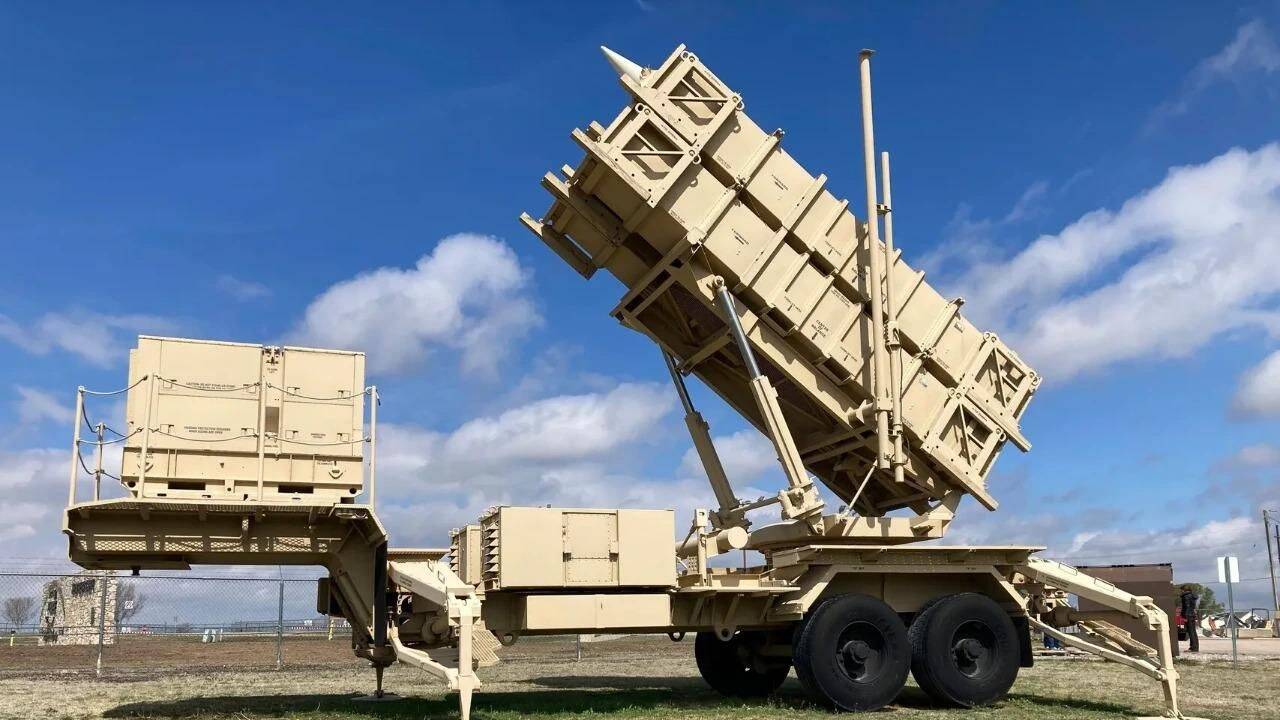
Zelenskyy's appeal centers on the U.S.-made Patriot interceptor, renowned for neutralising high‑speed ballistic and cruise missiles. Europe has long depended on this platform, yet current supply constraints—stemming from production bottlenecks and dwindling stockpiles—have highlighted a strategic vulnerability. The lag in American deliveries is prompting European nations to seek alternative, home‑grown solutions.
European Dependence and Its Risks
The limited availability of Patriot units has forced a rapid reassessment of defence policy across the continent. Nations are now prioritising the enhancement of domestic anti‑air capabilities to improve strategic autonomy and reduce response times in crisis scenarios. Defense analysts warn that without a robust indigenous system, Europe could find itself strategically exposed in any future large‑scale conflict.
Building Indigenous Capabilities
The European Union has already launched several initiatives, such as the European Mid‑Interceptor (EMI) programme and a Franco‑German joint development of next‑generation air‑defence technology. These projects aim to diversify production sources and secure technological independence. Successful implementation would not only bolster Europe's defensive posture but also position the bloc as a competitive player in the global arms market.
In sum, the ongoing conflict in Ukraine serves as a stark reminder to Europe: the existing U.S.-centric defence model must evolve. Investing in a home‑grown missile shield will strengthen continental security and grant Europe a new level of strategic self‑reliance.