India and New Zealand have elevated their ties to a strategic partnership aiming to double bilateral trade by 2030. Meanwhile, India unveiled its first hydrogen‑powered train, reinforcing energy security and climate goals. All three topics carry significant weight for UPSC prelims and mains.
Key Takeaways
- India‑New Zealand aim to raise trade to NZ$7 billion (₹35,000 crore) by 2030.
- Multiple agreements cover defence, maritime security, and counter‑terrorism cooperation.
- India launches its first hydrogen‑fuelled train, a milestone for technology‑related UPSC questions.
Current affairs form the backbone of the UPSC Civil Services Examination. Topics that intersect foreign policy, energy transition, and national broadcasting—such as the new India‑New Zealand strategic partnership, the Akashvani digital push, and the maiden hydrogen train—are highly testable across both Preliminary and Main papers.
India‑New Zealand Strategic Partnership: What’s New?
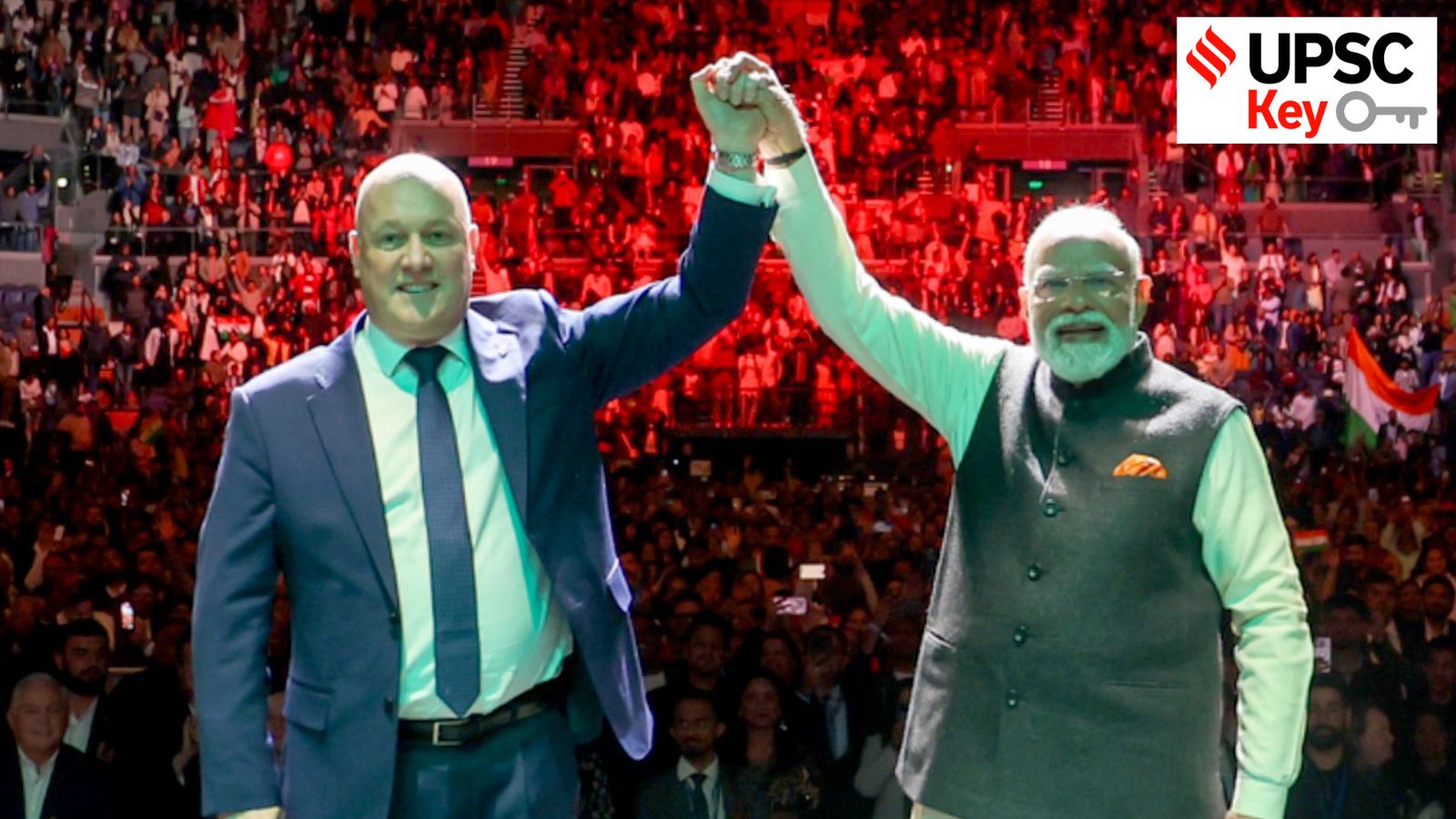
In a landmark meeting in Auckland on 12 July 2026, Prime Minister Narendra Modi and New Zealand Prime Minister Christopher Luxon pledged to upgrade bilateral relations to a “strategic partnership” with a roadmap extending to 2030. The accord spans defence and maritime security pacts, a joint counter‑terrorism panel, and a commitment to double trade to NZ$7 billion (≈₹35 trillion). The partnership also includes a maritime security dialogue, a joint working group on counter‑terrorism, and cooperation under Combined Task Force‑150.
FTA, Five‑Eyes Alliance and Cultural Ties
The India‑New Zealand Free Trade Agreement, signed in record time earlier this year, promises new market access for industries, farmers, and youth. New Zealand’s membership in the Five‑Eyes intelligence alliance (U.S., U.K., Canada, Australia) adds a layer of strategic intelligence sharing, especially relevant to UPSC questions on security and global alliances. Cultural symbols such as the Maori Haka were highlighted, underscoring soft‑power dimensions of the partnership.
India’s First Hydrogen‑Powered Train
Simultaneously, Indian Railways introduced its first hydrogen‑fuelled train in a pilot phase, marking a significant stride toward carbon‑neutral transport. The train runs on zero‑emission technology, aligning with India’s climate commitments under the Paris Agreement. For UPSC aspirants, this development touches on renewable energy, sustainable infrastructure, and environmental policy—key themes in General Studies‑II and Essay papers.
Akashvani’s Digital Expansion
All India Radio (Akashvani) announced a new initiative to amplify regional language content across digital platforms, reinforcing the nation’s cultural diversity and information outreach. This move dovetails with the broader diplomatic narrative, as effective communication is essential for managing international partnerships and counter‑terrorism narratives.
Collectively, these developments illustrate India’s multi‑pronged strategy: strengthening strategic alliances, pioneering green technology, and leveraging public broadcasting to shape narratives. UPSC candidates must therefore integrate factual details with analytical insights to answer questions that demand both depth and breadth.