Iran reported new attacks on Qeshm Island and Bandar Abbas, while the U.S. declared the Strait of Hormuz open for all legal vessels. The heightened rivalry threatens global oil markets and regional security.
मुख्य बिंदु (Key Takeaways)
- Iran launched 10‑11 enemy projectiles at Qeshm Island
- U.S. maintains the Strait of Hormuz open for all lawful traffic
- Potential surge in oil prices and heightened regional security risks
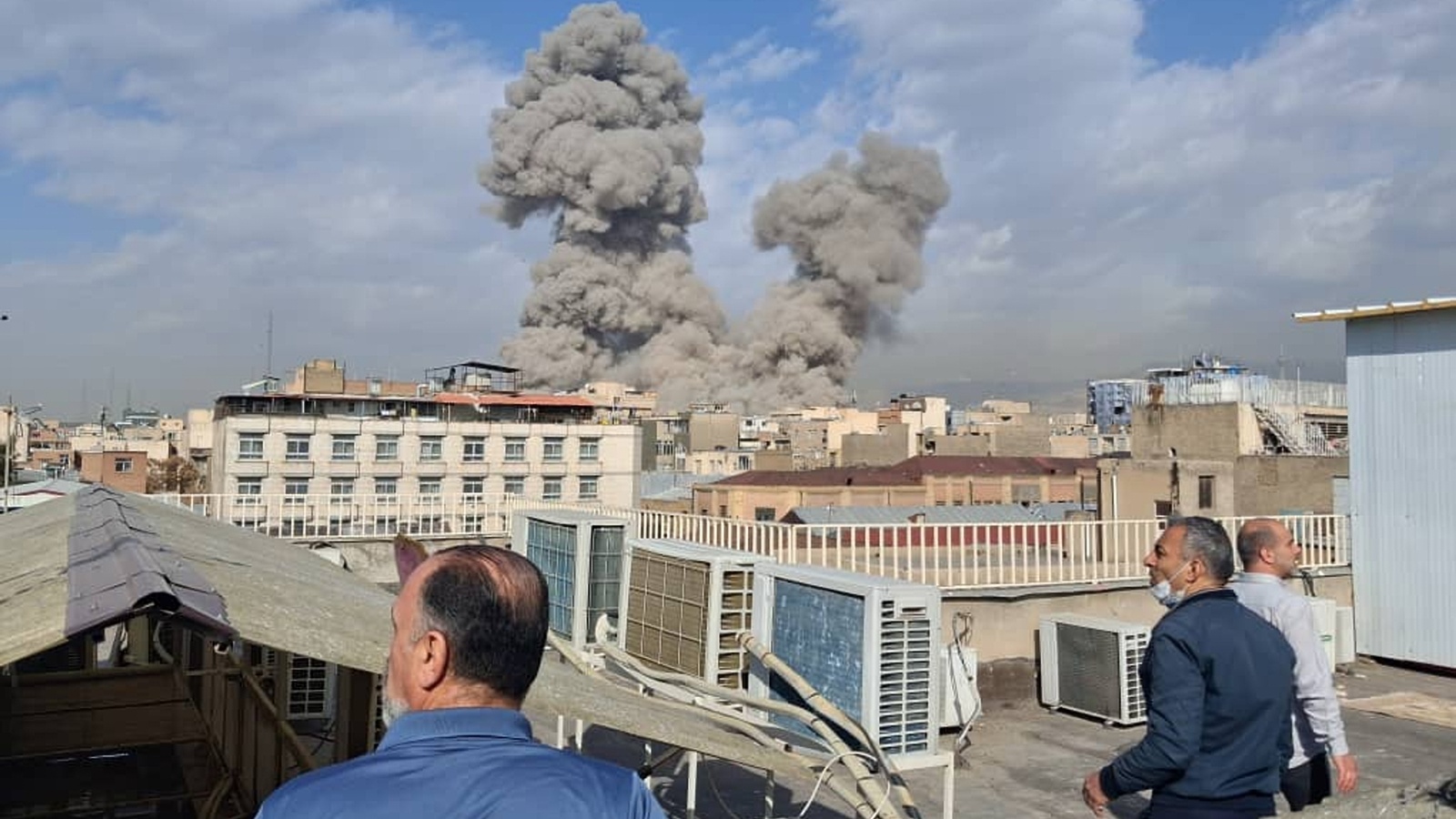
U.S.-Iran tensions have surged after Tehran announced fresh attacks across Hormozgan province, targeting Bandar Abbas, Qeshm Island, and Hajjiabad near the strategic Strait of Hormuz. According to the Qeshm Island governor, Hossein Amir Teymouri, at least ten to eleven “enemy projectiles” struck the island on Sunday, striking exclusively military installations. No civilian casualties were reported on the island, but one maintenance worker was killed and two others wounded in the broader provincial attacks.
Background and Strategic Importance
Qeshm is the largest island in the Persian Gulf, home to roughly 150,000 residents, and sits at the mouth of the Strait of Hormuz—the narrow waterway through which about five percent of the world’s daily oil passes. Iran uses the island as a fortified forward base, housing underground military facilities and anti‑ship missile batteries that can threaten passing vessels. Its strategic weight makes any conflict around Qeshm a flashpoint for global shipping.
U.S. Response
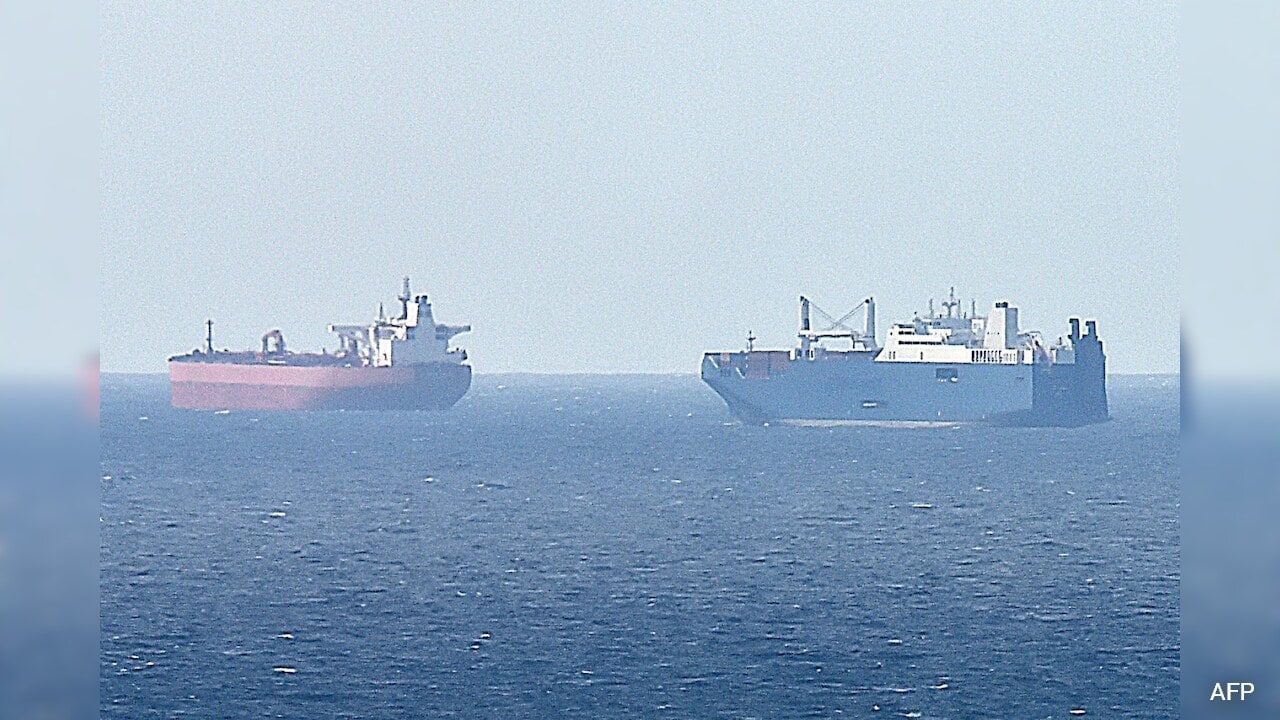
U.S. Central Command tweeted on July 12 that the Strait of Hormuz “remains open for all vessels legally transiting the critical waterway.” This declaration directly counters Tehran’s claim that the strait is closed until calm is restored, underscoring Washington’s commitment to freedom of navigation despite what it describes as “unwarranted Iranian aggression, harassment, threats, and arbitrary actions.”
Regional and Global Implications
Any disruption of the Hormuz corridor can instantly spike crude prices, as shippers may seek longer, costlier routes around the Arabian Peninsula. Neighboring oil exporters—Qatar, Saudi Arabia, and the UAE—face heightened risk to their export infrastructure. International bodies, including the United Nations and the European Union, have urged diplomatic de‑escalation, yet Iran’s stance to keep the strait closed until its demands are met adds complexity to any resolution.
Looking Ahead
Analysts warn that without a renewed diplomatic channel, the risk of a broader maritime clash escalates, potentially dragging the region into a larger conflict. The world’s energy security, maritime trade, and regional stability hinge on swift, effective negotiations that keep the Strait of Hormuz open and prevent further loss of life.