The United States carried out new air strikes against Iran early Monday, aiming to curb Tehran's ability to target commercial vessels in the strategic Hormuz Strait. Iran reported explosions in its southern provinces, condemning the attacks and declaring diplomatic efforts collapsed.
Key Takeaways
- US conducts fresh air strikes targeting Iran's IRGC
- Goal is to protect commercial shipping in the Hormuz Strait
- Iran reports explosions and denounces the attacks as diplomatic efforts fail
At 5 p.m. ET on Monday, the U.S. Central Command (CENTCOM) announced a new wave of strikes against Iran, directed by President Donald Trump to hold Iranian forces accountable. The operation focused on degrading the Islamic Revolutionary Guard Corps' (IRGC) capacity to threaten civilian mariners and commercial vessels transiting the Hormuz Strait.
Strategic Context of the Hormuz Strait
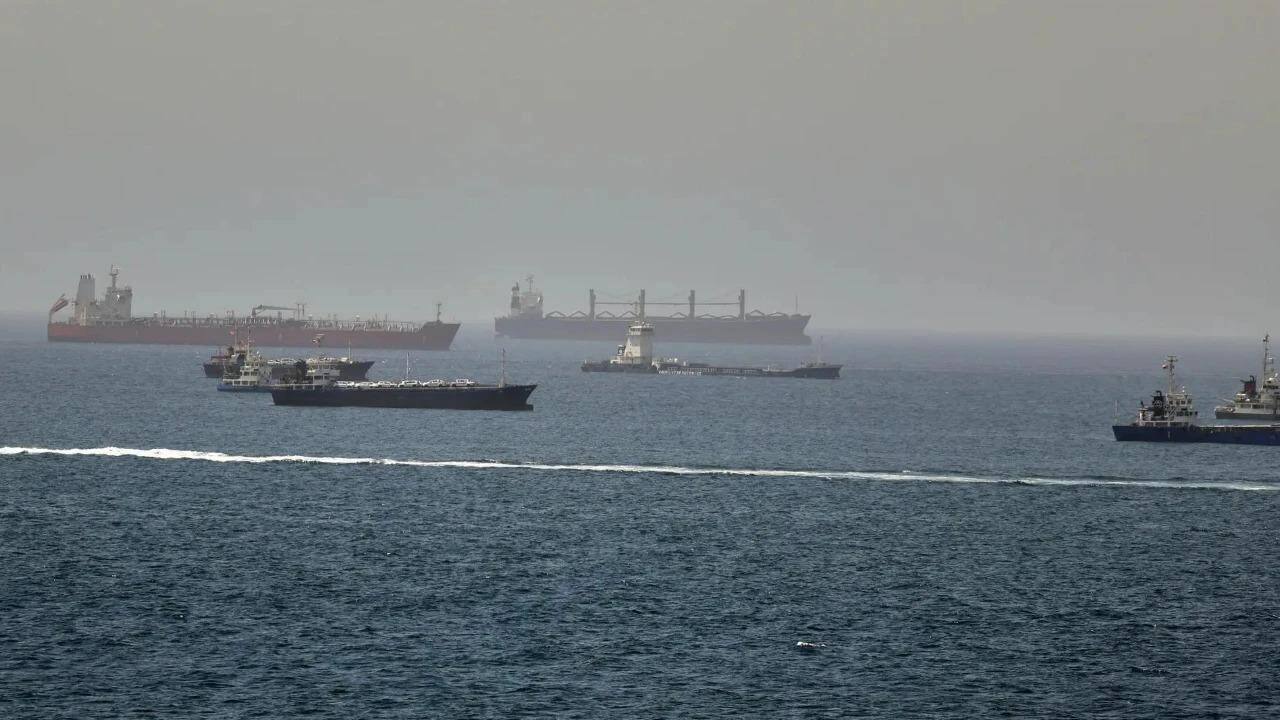
The Hormuz Strait is a chokepoint through which roughly 20 % of the world’s oil and gas supplies flow daily. Over the past weeks, the IRGC has been accused of targeting merchant ships in the waterway, prompting a series of U.S. retaliatory actions. The latest strikes represent a further escalation, underscoring the corridor’s critical importance to global energy security.
Iran’s Domestic Response
State media in Iran reported a series of explosions across Hormozgan province, including in Jask, Qeshm, Bandar Abbas and Sirik. Local authorities confirmed no civilian casualties or damage to residential infrastructure, but noted that a telecommunications tower in Sirik—previously struck—was hit again. Iran’s foreign ministry condemned the attacks as a “gross violation of the United Nations Charter” and declared recent diplomatic overtures “rendered futile.”
U.S. Military Objectives and Operational Details
CENTCOM said the strikes hit roughly 140 military sites using precision‑guided munitions launched from aircraft, drones and naval platforms. Targets spanned missile and drone production facilities, naval assets, ammunition depots, communication networks and coastal surveillance stations. U.S. aircraft also intercepted and destroyed an Iranian cruise missile and a one‑way attack drone, reinforcing the narrative that the missions are defensive—protecting freedom of navigation and commercial shipping.
Diplomatic Fallout and Global Implications
President Trump told NBC’s “Meet the Press” that diplomatic talks with Tehran have broken down, yet the Hormuz Strait remains open for commercial traffic. Analysts warn that continued tit‑for‑tat attacks could destabilize the wider Middle East, trigger spikes in energy prices, and disrupt global supply chains. While international actors call for restraint, the mutual accusations and military posturing suggest a protracted period of heightened tension.