Iran struck a Cyprus‑flagged container vessel in the Strait of Hormuz, prompting the United States to hit over 140 Iranian military sites. The escalation has disrupted shipping lanes, raised regional security concerns, and intensified diplomatic efforts to prevent a broader conflict.
Key Takeaways
- Iran attacked a container ship in the Hormuz Strait, leaving one crew member missing.
- The US conducted more than 140 airstrikes targeting missile, drone and naval facilities.
- Several Gulf states sounded alerts, heightening regional tension.
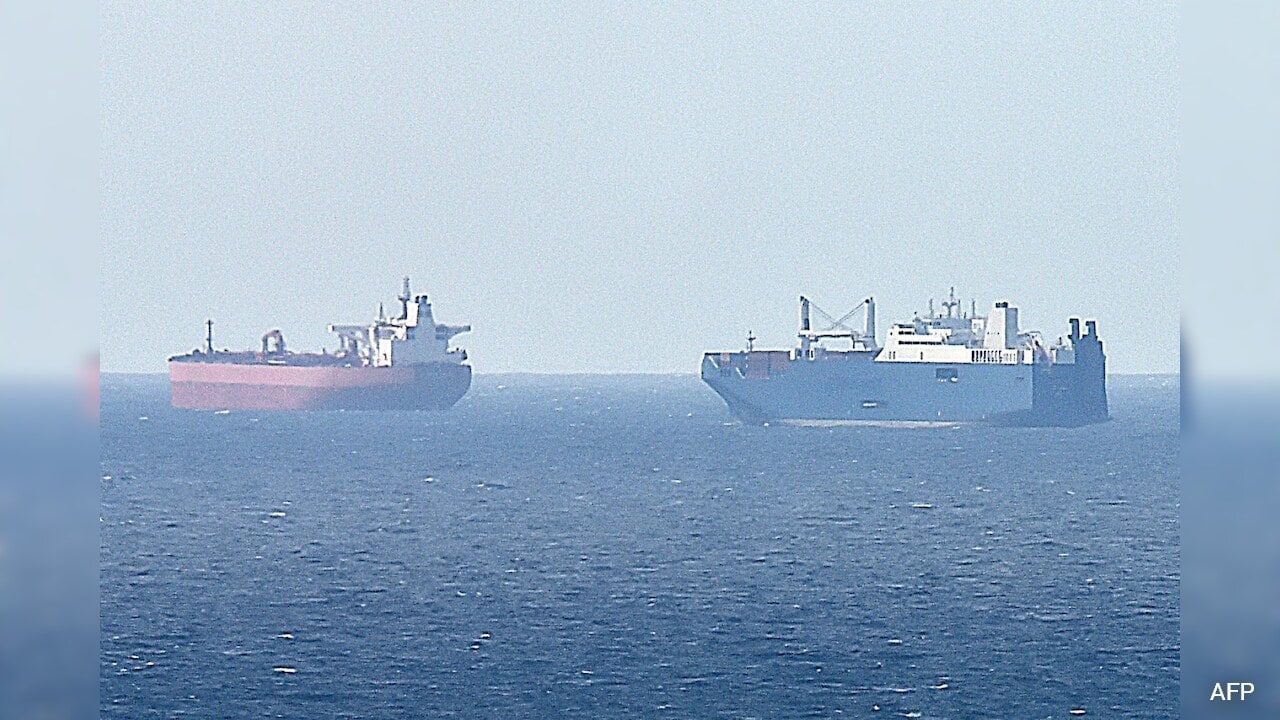
The Strait of Hormuz, a chokepoint through which roughly a fifth of the world’s oil and gas passes, erupted into crisis on July 13, 2026. Iranian forces fired a missile at a Cyprus‑flagged container ship, igniting its engine room and causing the disappearance of an Indian seafarer. The incident instantly drew global attention, given the strait’s strategic importance for energy markets and international trade.
US Military Response
Within hours, the United States launched a coordinated campaign against Iranian military infrastructure. Official statements confirmed strikes on more than 140 targets, including missile and drone launch sites, ammunition depots, communications arrays, and Revolutionary Guard naval vessels. President Donald Trump boasted on NBC’s “Meet the Press,” "We bombed the hell out of them last night." The objective, as articulated by Pentagon officials, was to degrade Iran’s capacity to threaten commercial shipping and to signal that any further aggression would meet a decisive response.
Regional Reactions and Human Impact
Following the Iranian attack, alarms rang across Qatar, Bahrain, Kuwait, Jordan and Oman. Qatar’s military intercepted incoming fire, but shrapnel wounded three civilians, including a child. In the United Arab Emirates, residents reported distant explosions, while Kuwait’s offshore oil platform sustained minor damage and a worker was injured. Jordan’s state news agency noted three missile impacts that caused limited structural harm but no casualties. Oman’s maritime authority rescued 23 crew members from the stricken vessel, confirming the loss of one crewman.
Diplomatic Dynamics
The escalation occurs as Washington and Tehran approach the midpoint of a 60‑day interim agreement intended to pave the way for a permanent cease‑fire. United Nations Secretary‑General Antonio Guterres warned, "A return to full‑scale hostilities would have catastrophic consequences." Mediators from Pakistan, Qatar and Egypt continue behind‑the‑scenes talks, yet both sides have issued stark warnings—Iran insisting it will keep the strait closed until its demands are met, and the US asserting the waterway remains open for commercial traffic.
Implications for Global Energy and Security
Any prolonged disruption of Hormuz traffic could reverberate through global energy markets, driving up oil prices and straining economies dependent on affordable energy. Analysts stress that adherence to international maritime law and a diplomatic de‑escalation are essential to prevent a broader Middle‑East conflagration. The current episode underscores how geopolitical rivalries can weaponize critical trade routes, making sustained dialogue the only viable path to long‑term stability.