Following an IRGC assault on a Cyprus‑flagged container vessel in the Strait of Hormuz, the United States carried out its third airstrike against Iran this week. The escalation threatens global oil shipments and heightens regional diplomatic tensions.
Key Takeaways
- IRGC attacked a Cyprus‑flagged container ship in the Strait of Hormuz, causing a crew member to go missing.
- The US Central Command launched three fresh airstrikes on Iran in response.
- Security of the Hormuz waterway, a vital oil conduit, is now at heightened risk.
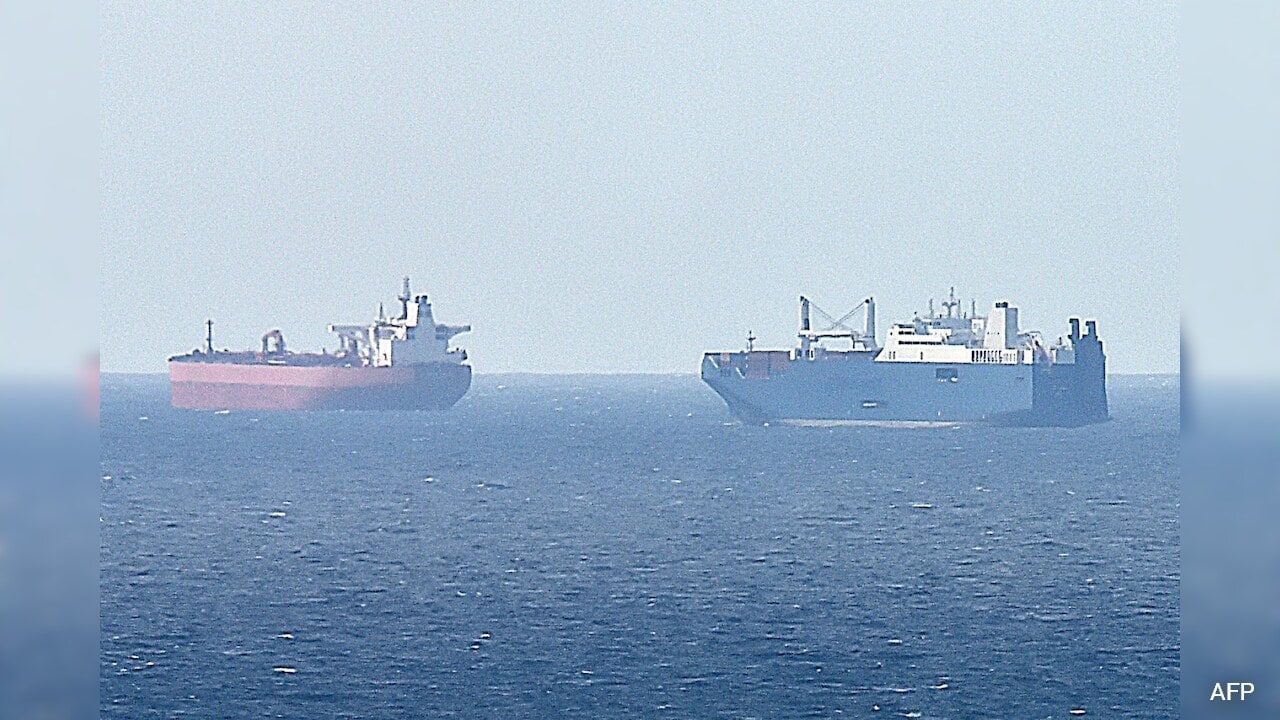
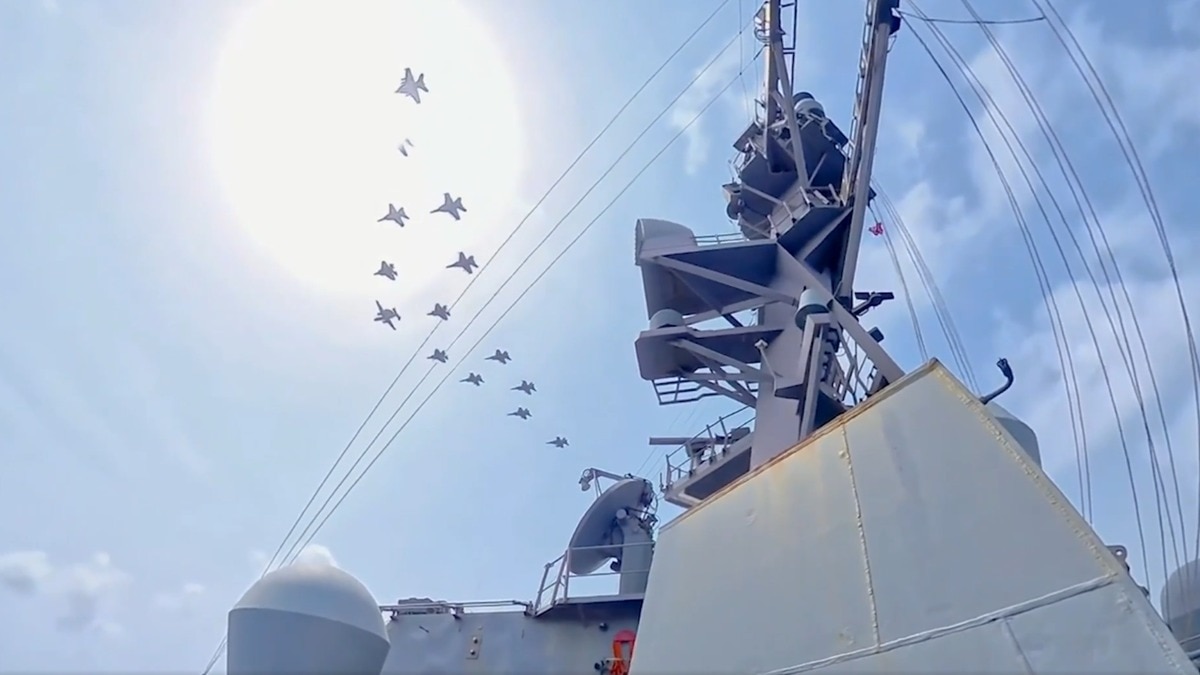
Washington and Tehran are once again at odds after the US Central Command (CENTCOM) announced that, at 7:15 p.m. local time on Saturday, it carried out a series of airstrikes against Iran in retaliation for an Islamic Revolutionary Guard Corps (IRGC) attack on the Cyprus‑flagged container ship M/V G‑Flex Galaxy. This marks the third US military action against Iran in just one week.
Background: Why the Strait of Hormuz Matters
The Hormuz Strait is a strategic chokepoint through which roughly 20 % of the world’s petroleum passes daily. Its security has long been a flashpoint for international powers, and past confrontations—from the Iran‑Iraq war to recent naval skirmishes—have kept the waterway volatile.
The IRGC Assault and Immediate Consequences
During the IRGC attack, a civilian crew member vanished, the vessel caught fire, and its engine room suffered severe damage, rendering the ship unable to continue its voyage. US officials have repeatedly warned Tehran that targeting commercial shipping violates international norms, a warning that appears to have been ignored.
American Response and Strategic Objectives
CENTCOM stated that the strikes aim to degrade Iran’s capability to threaten commercial traffic through Hormuz. The operation was carried out under the direction of President Donald Trump, and Defense Secretary Pete Hegseth tweeted, “Iran made a wrong decision. Now it will pay the price.”
Iranian Reaction and Potential Fallout
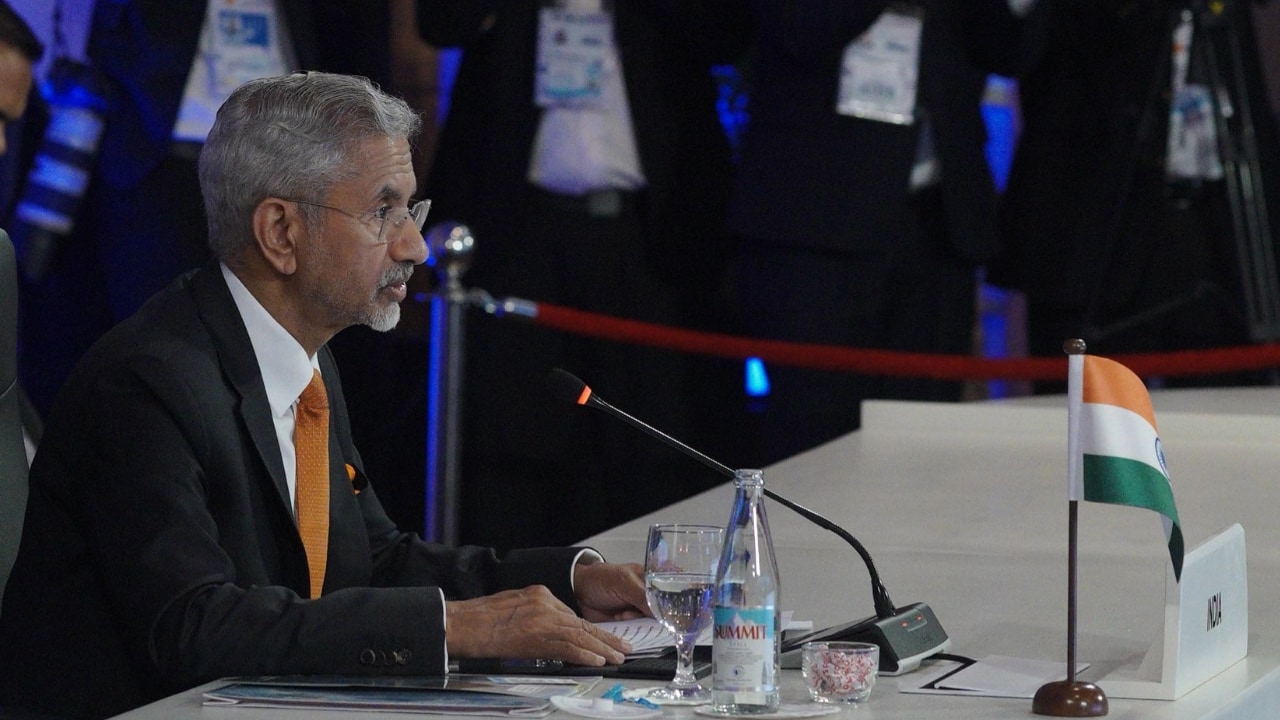
Following the US bombardment, Iranian sources reported explosions on Kish Island and elsewhere, with state broadcaster IRIB confirming multiple blasts in Bandar Abbas and Sirik. Iran’s foreign minister, Abbas Araghchi, told his Omani counterpart that discussions were underway to guarantee safe passage for ships, accusing the United States of violating the cease‑fire agreement.
Regional and Global Implications
Escalation in Hormuz could trigger short‑term spikes in oil prices, force shipping firms to reroute vessels around the Arabian Sea, and prompt a re‑examination of maritime law enforcement in the region. Analysts warn that without diplomatic de‑escalation, the strait could become a “water war” theater, jeopardizing Middle‑East stability and the global energy supply chain.