The United States carried out a third round of airstrikes against Iran, prompting the Strait of Hormuz to be shut again and triggering Iranian missile and drone attacks on U.S. bases across the Gulf. India responded diplomatically to protect its citizens caught in the crossfire.
Key Takeaways
- US conducts its third strike on Iran after Tehran closed the Strait of Hormuz.
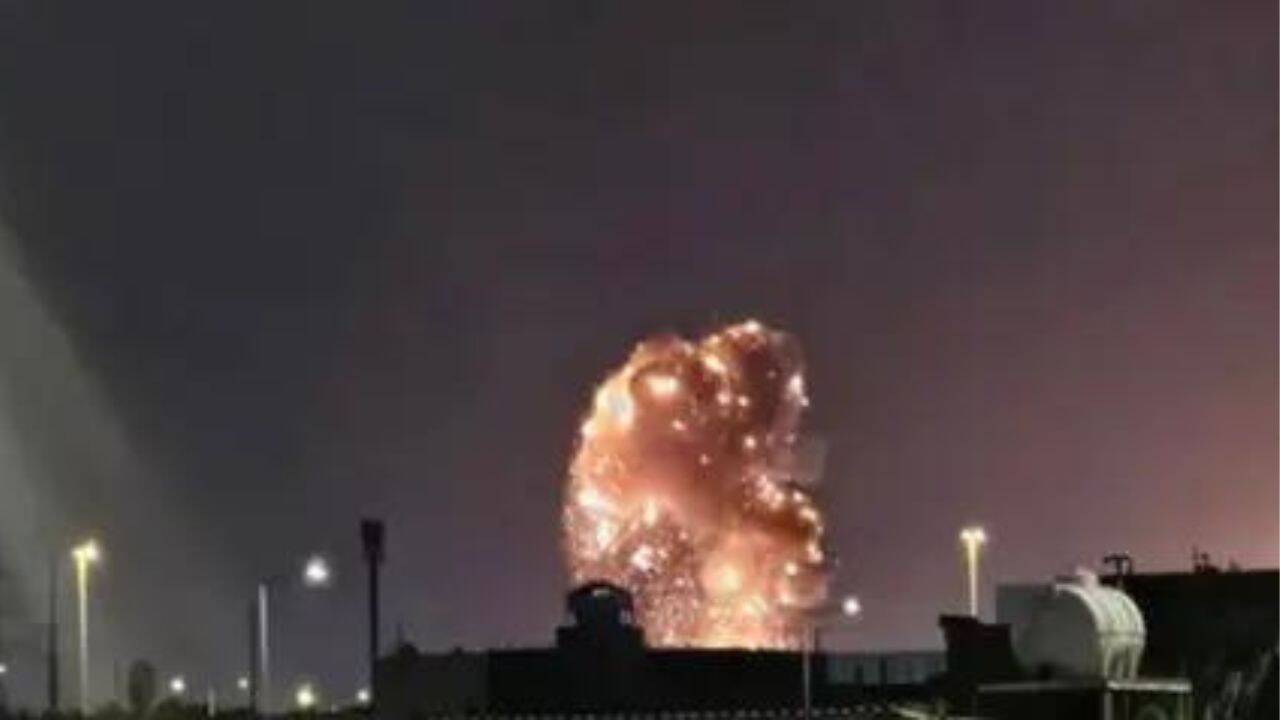
- Iran retaliates with missile and drone attacks on U.S. facilities in several Gulf states, warning of a "severe response."
- India swiftly engages in diplomatic efforts to rescue its nationals and urges de‑escalation.
The United States launched its third wave of airstrikes against Iran, leading the strategic Strait of Hormuz to be closed once more. The waterway handles roughly one‑fifth of global oil and LNG shipments, so its shutdown threatens worldwide energy market stability.
Background and Trigger
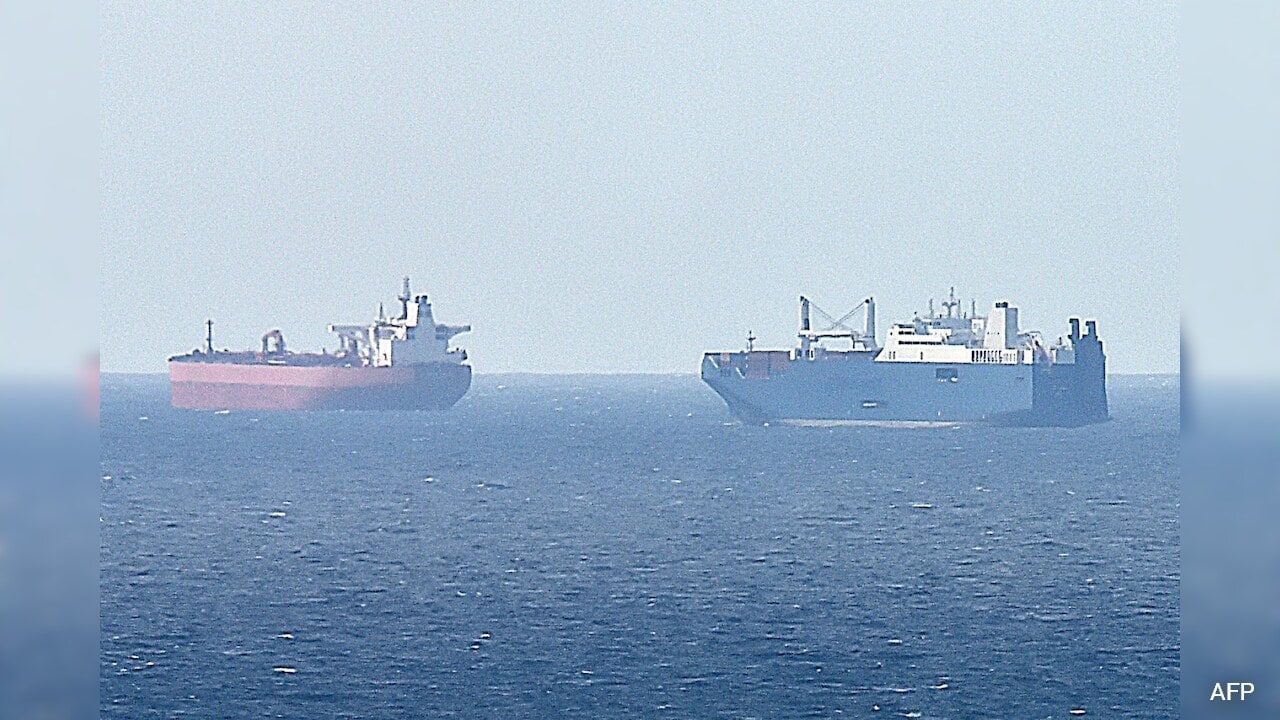
The conflict reignited after Iran struck the Cyprus‑flagged container ship M/V GFS Galaxy, accusing it of navigating an “unauthorized route” through the strait. The vessel suffered severe engine‑room damage and caught fire, leaving one civilian crew member missing. In retaliation, U.S. Central Command reported that American forces hit about 140 Iranian military targets in a single day, part of a broader campaign that has struck over 300 sites across three nights.
Regional Escalation
Iran announced that the Strait of Hormuz would remain closed “until the end of U.S. interference in the region.” Despite Tehran’s claim, U.S. officials say commercial vessels continue to transit the passage. The escalation has sparked fears of disrupted oil supplies, heightened regional security concerns, and a possible collapse of ongoing diplomatic talks between Washington and Tehran.
India’s Diplomatic Response
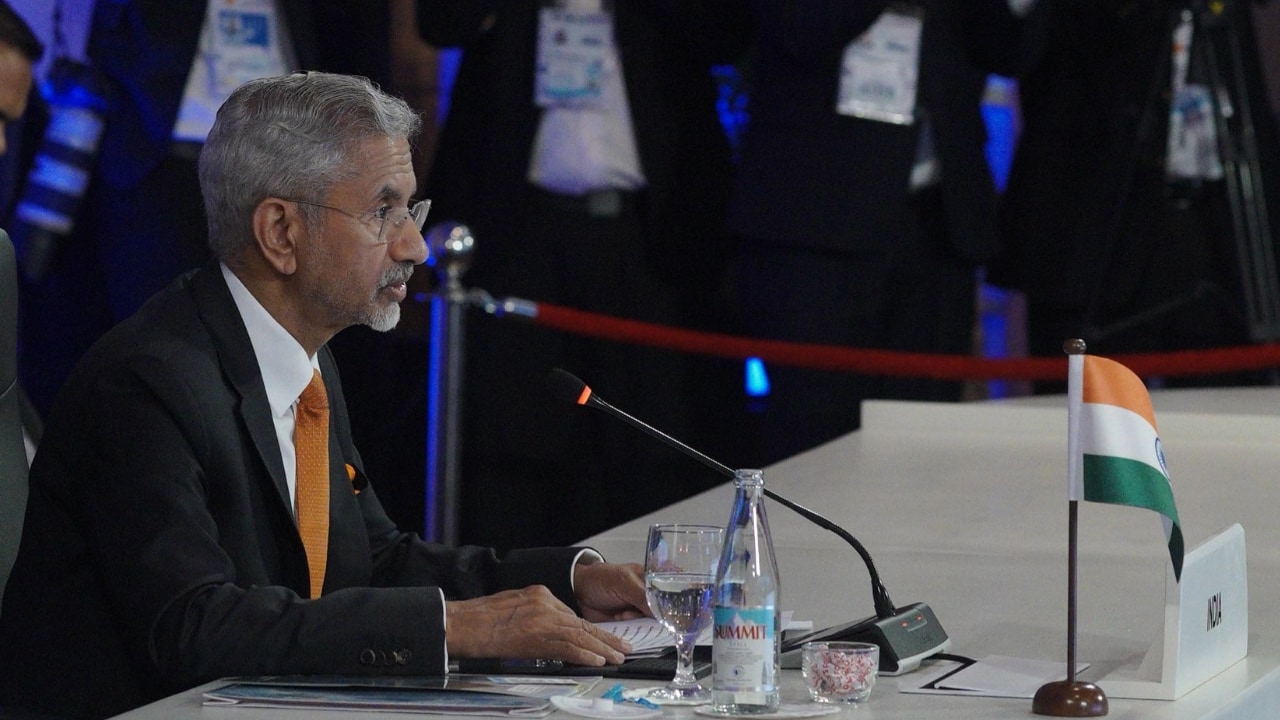
Among the crew of the attacked vessel were 11 Indian nationals; ten were rescued while one remains missing. India’s Ministry of External Affairs, through its embassy in Oman, coordinated a rescue effort with Omani authorities and called for immediate de‑escalation. The ministry described the repeated attacks on commercial shipping as “deeply worrisome” and urged all parties to return to diplomatic negotiations.
Wider Implications
If diplomatic channels remain closed, the Gulf could see a broader military confrontation, drawing in regional allies and further destabilizing global energy supplies. International bodies, including the United Nations and the European Union, are urging restraint and offering mediation to prevent a full‑scale war. Meanwhile, markets are already reacting to the heightened risk, with oil prices showing volatility.