The United States launched a massive aerial operation targeting roughly 140 Iranian locations around the Strait of Hormuz, prompting Tehran to shoot down a cruise missile and strike Bahrain, Kuwait, Qatar and Oman. The heightened exchange raises the specter of a broader Middle East conflict.
Key Takeaways
- US targeted approximately 140 Iranian installations in a single strike.
- Iran downed a cruise missile and launched retaliatory attacks on several Gulf countries.
- Escalation increases the risk of a wider Middle‑East war.
The U.S. Central Command announced that on Sunday it carried out a coordinated air campaign against about 140 Iranian sites, ranging from missile launch pads and drone depots to ammunition warehouses and communications hubs. The stated objective was to blunt Iran’s ability to threaten civilian shipping in the strategically vital Strait of Hormuz.
Tehran’s Immediate Counter‑offensive
Within minutes of the American strikes, Iran’s Islamic Revolutionary Guard Corps Aerospace Force activated a high‑performance air‑defence system that successfully intercepted and destroyed a U.S. cruise missile. In a parallel move, Tehran ordered missile and aerial attacks on Bahrain, Kuwait, Qatar and Oman, signaling a broader retaliation across the Gulf.
Implications for Gulf Economies and Security
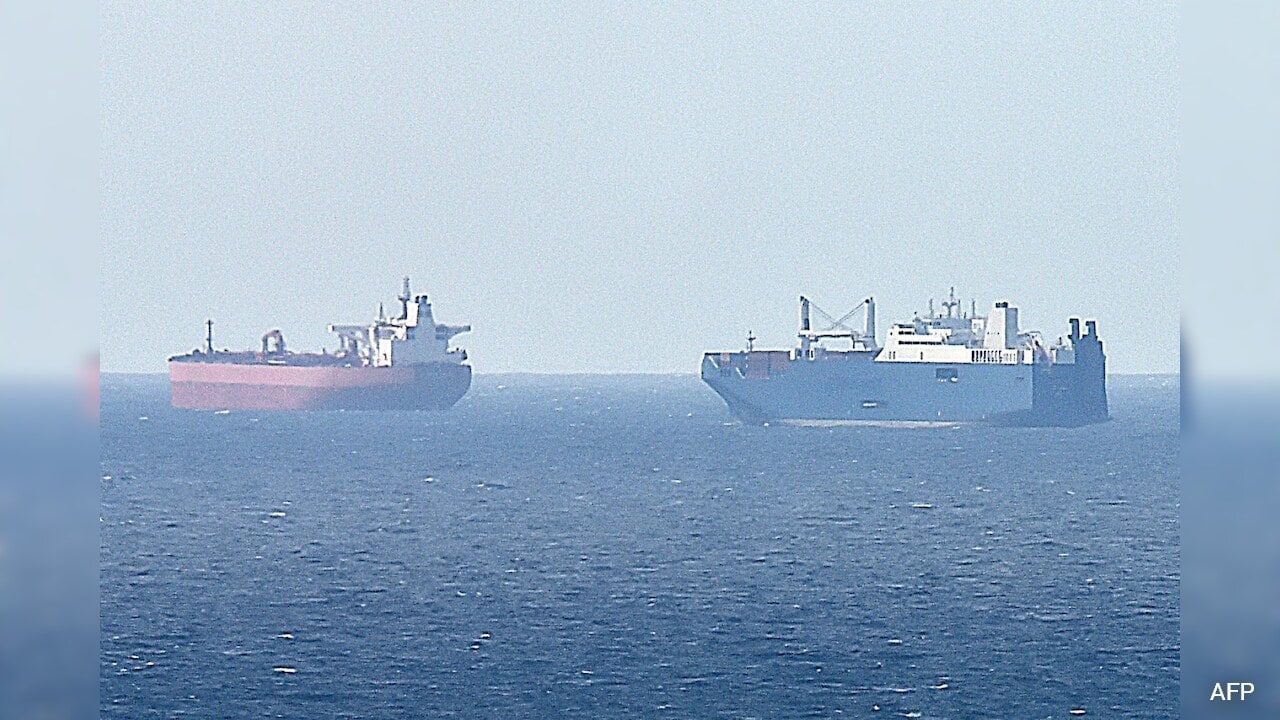
Hormuz remains a choke point for roughly one‑quarter of global oil shipments. Any disruption amplifies price volatility and forces commercial fleets to reroute, inflating insurance premiums and operational costs. The Gulf states now face a dual challenge: defending against Iranian retaliation while bracing for possible further U.S. actions.
Future Outlook and International Response
Both the United Nations and major European capitals have issued urgent calls for de‑escalation, yet diplomatic channels appear strained. Analysts warn that without a rapid diplomatic breakthrough the conflict could spiral into a regional war, destabilising not only the Middle East but also global energy markets.