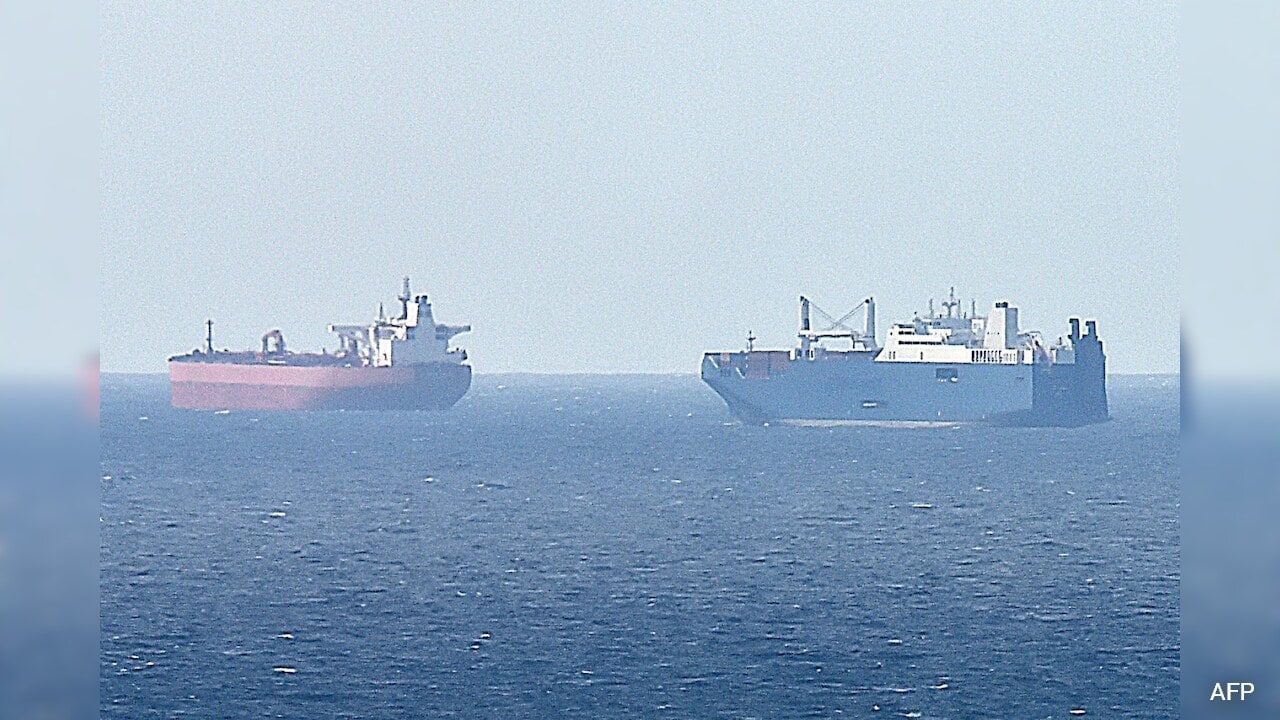
Following an Iranian strike on a container vessel in the Strait of Hormuz, the US launched attacks on over 140 Iranian targets. Iran retaliated by striking Bahrain, Kuwait, Qatar and Oman, escalating tensions across the Gulf region.
Key Takeaways
- Iranian attack on a ship in Hormuz triggers massive US airstrikes
- Iran retaliates against Bahrain, Kuwait, Qatar and Oman
- Implications for global shipping safety and energy markets
In the early hours of July 12, 2026, a Cyprus‑flagged container ship was set ablaze after an Iranian missile strike in the strategically vital Strait of Hormuz. The United States Central Command responded with a sweeping campaign, hitting roughly 140 Iranian sites—missile and drone launch pads, ammunition depots, and communications infrastructure—marking the most intensive round of strikes since the conflict began in February.
Historical Context
The Hormuz Strait, a narrow waterway linking the Persian Gulf with the Gulf of Oman, carries about one‑fifth of the world’s oil and natural‑gas shipments. Since the war’s outbreak on February 28, 2026, Iran has repeatedly sought to leverage control over the strait to exert pressure on global energy markets, pushing crude prices to $120 per barrel at the height of hostilities. The latest exchange of fire threatens to undo recent price declines and further destabilize an already volatile market.
Regional Reactions and Human Cost
Iran’s retaliation targeted multiple Gulf Arab states that host US forces. Qatar’s military reported intercepting Iranian fire, while explosions were heard across the United Arab Emirates. Three individuals—including a child—suffered shrapnel injuries, according to Qatar’s Interior Ministry. Bahrain sounded missile alerts for the third time that morning, and Kuwait’s forces also reported interceptions. Oman confirmed drone strikes on sites in its northeastern region, close to the strait, after a bilateral meeting with Iran the previous day.
International Diplomatic Fallout
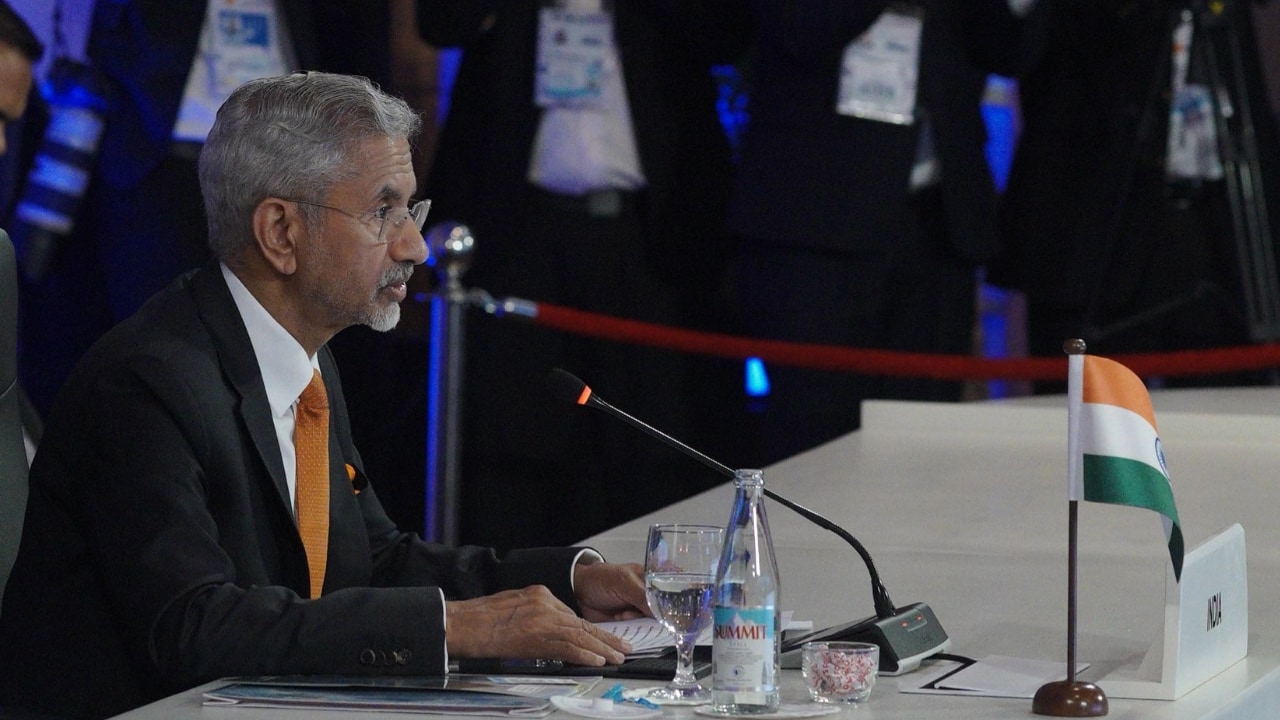
US Defence Secretary Pete Hegseth condemned Iran’s “poor choice” on social media, asserting that Tehran would now “pay the price.” India, whose nationals comprised the entire crew of the attacked vessel, condemned the strike and coordinated with Oman on a joint search‑and‑rescue operation, demanding “free and unimpeded” navigation through the strait. The British Maritime Trade Operations centre noted that the ship had been following a coastal route hugging Omani waters—a standard practice to avoid Iranian territorial claims.
Future Outlook
Analysts warn that continued tit‑for‑tat attacks could cripple commercial shipping and exacerbate global energy insecurity. Iran has declared the strait “closed until further notice” and hinted at striking “additional enemy bases” if it faces more US attacks. The situation now hinges on diplomatic initiatives from the United Nations and major energy‑exporting nations to de‑escalate and restore the strait’s status as an international waterway.