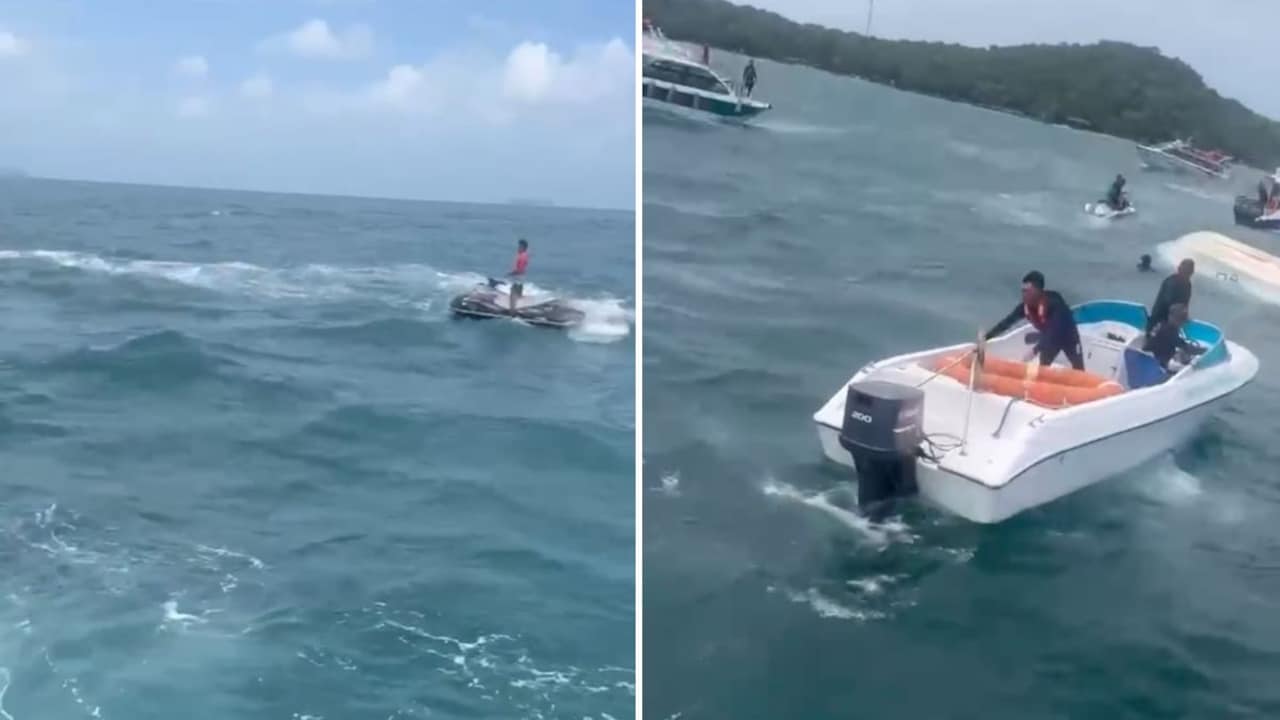
A speedboat capsized off May Rut Ngoai island in Vietnam, killing 15 Indian tourists. The captain was arrested by Vietnamese authorities, sparking concerns over travel safety between the two nations. The tragedy could reshape India‑Vietnam tourism dynamics.
Key Takeaways
- Speedboat capsizing off Vietnam kills 15 Indian tourists
- Captain arrested by Vietnamese police for possible negligence
- Potential impact on India‑Vietnam tourism relations
On Saturday, a speedboat carrying 32 Indian tourists, three Vietnamese crew members, and a tour guide overturned in rough seas near May Rut Ngoai island. Fifteen Indian passengers lost their lives while the remaining passengers were rescued by emergency responders.
Tourism Context
India‑Vietnam tourism ties have flourished over the past two decades, with Indian visitor numbers reaching roughly 140,000 in 2019, making Vietnam a top Southeast Asian destination for Indian travelers. This growth has bolstered local economies but has also highlighted recurring concerns about maritime safety standards and regulatory compliance.
Chronology of the Accident
According to eyewitness accounts, the vessel set sail despite weather advisories warning of high seas. As wave heights intensified, the boat lost stability and capsized. Passengers were thrown into the water, and rescue operations, though swift, could not prevent the loss of fifteen lives.
Legal and Diplomatic Repercussions
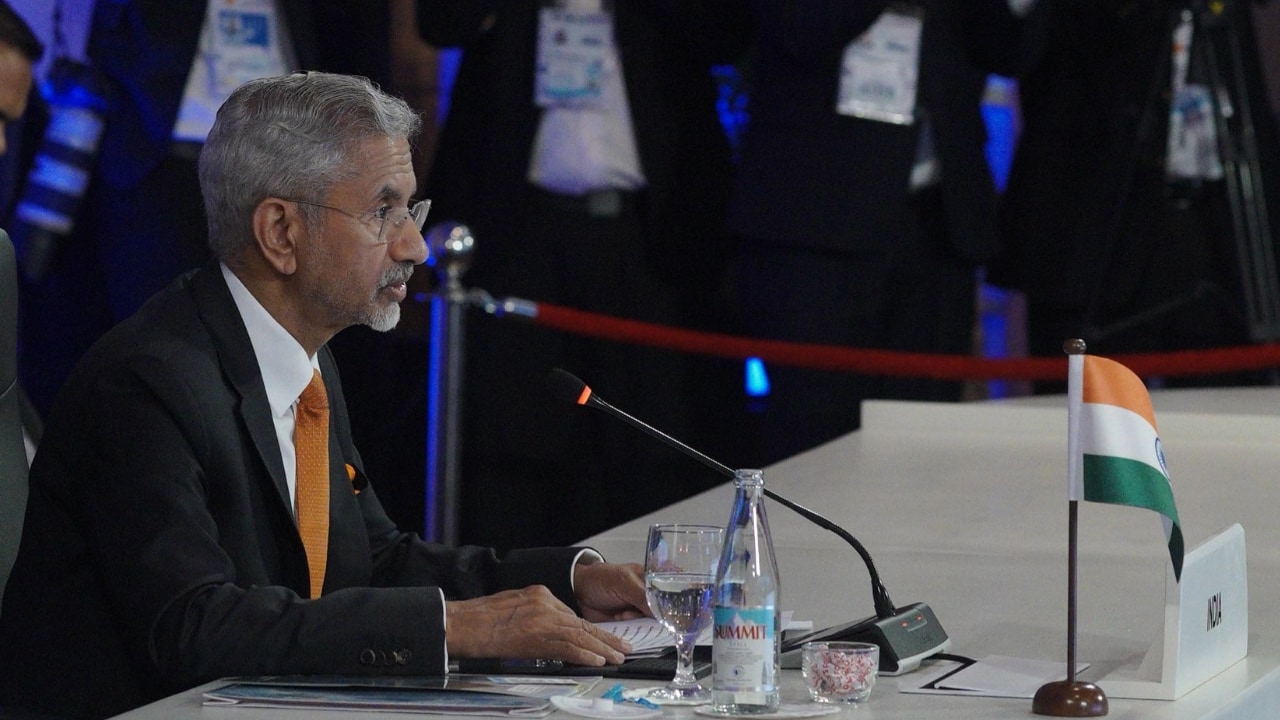
Vietnamese police have taken the boat’s captain into custody, initiating an investigation into possible negligence or violation of safety protocols. The Indian Ministry of External Affairs has issued a statement urging a thorough inquiry and emphasizing the need for stricter safety measures in bilateral tourism agreements.
Future Outlook
Travel agencies in India are now advising clients to demand higher safety standards and to verify compliance with local maritime regulations before booking water-based tours in Vietnam. The Vietnamese government, in turn, has directed its tourism board to upgrade sea‑travel safety guidelines to meet international benchmarks. This tragedy serves as a stark reminder that tourism safety is a shared responsibility, and it may prompt a renegotiation of existing bilateral tourism accords.