A speedboat capsized near Phu Quoc island, claiming the lives of 15 Indian tourists. Vietnamese police detained the 57‑year‑old captain on charges of legal violations. The remaining survivors are being repatriated to India promptly.
Key Takeaways
- 15 Indian tourists died after a speedboat capsized near Phu Quoc
- 57‑year‑old captain arrested for alleged legal violations
- Surviving Indians are being flown back to India; one remains hospitalized
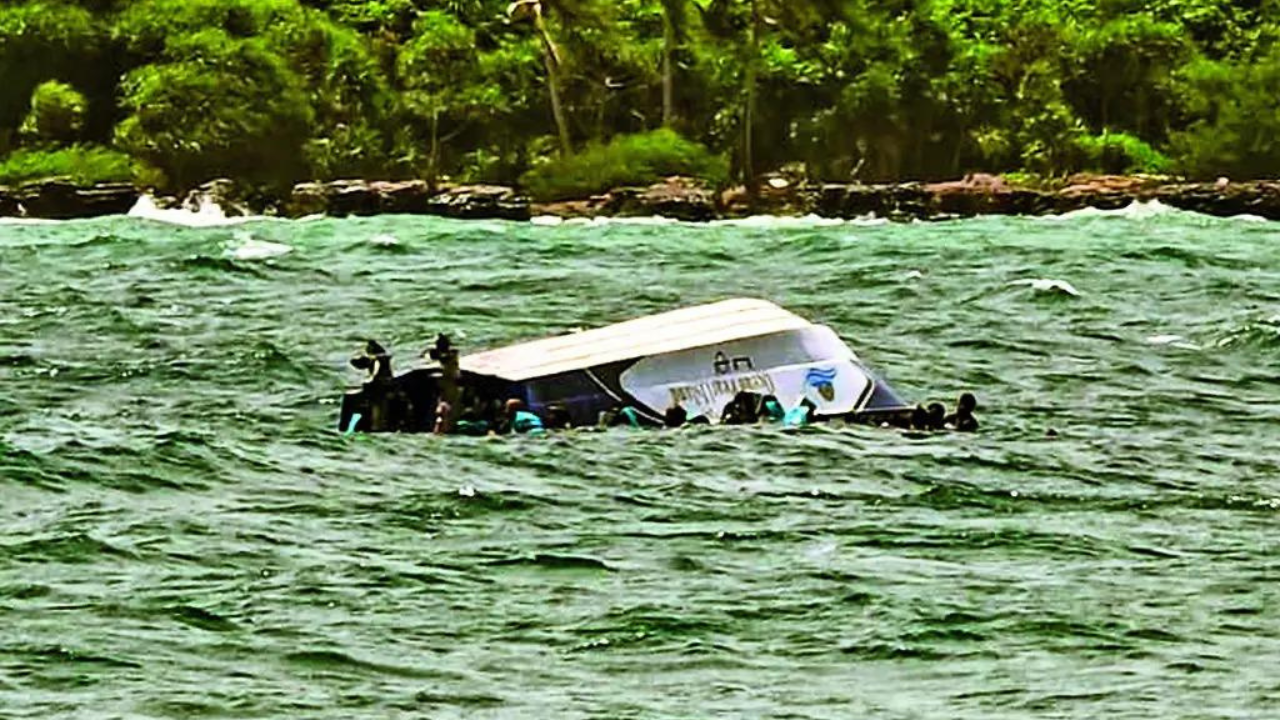
On Saturday, a speedboat carrying 32 Indian tourists, three Vietnamese crew members and a tour guide overturned off the small islet of May Rut Ngoai, near Phu Quoc Island in southern Vietnam. Rough seas and rapidly shifting weather conditions caused the vessel to capsize, leaving 15 Indians dead and 21 rescued.
Details of the Incident
According to state media, the boat encountered high waves but no rain at the time of the accident. Several other tourist vessels were operating in the vicinity, suggesting the incident was not an isolated anomaly. Witness Ha Van Loc reported spotting the overturned hull with dozens of men clinging to it. He and his crew threw life buoys attached to ropes, while jet‑skis ferried victims ashore.
Police Detention and Ongoing Investigation
Authorities in An Giang province arrested the 57‑year‑old captain on Sunday, citing “violations of laws” that led to the capsizing. Preliminary assessments by Vietnamese officials indicate that extreme weather was a primary factor, but a full investigation will determine the extent of negligence or procedural breach.
Indian Embassy Response
The Indian embassy in Hanoi announced on X that the mortal remains of the 15 deceased have arrived in Ho Chi Minh City and will be repatriated at the earliest opportunity. Sixteen of the 17 rescued Indians are en route home; one survivor remains in critical condition at a Phu Quoc hospital. The embassy emphasized coordination with Vietnamese authorities to ensure swift transport of the remains.
Broader Implications
Vietnam has formed two working groups to assist the victims' families, while Indian state governments in Tamil Nadu, Andhra Pradesh and Kerala have set up helplines for relatives. This tragedy spotlights the need for stricter maritime safety standards in popular tourist corridors and may prompt bilateral talks on traveler protection. The incident also raises questions about the adequacy of emergency response mechanisms in the region.