India officially began its bid for a non‑permanent seat on the United Nations Security Council for the 2028‑29 term. Foreign Minister S. Jaishankar introduced the SHANTI vision, emphasizing norms, trust and integrity as the framework for global governance.
Key Takeaways
- India launches its 2028‑29 UNSC campaign with the SHANTI vision.
- SHANTI stands for Securing Holistic Advancement through Norms, Trust and Integrity.
- India will contest a single Asia‑Pacific seat against Tajikistan.
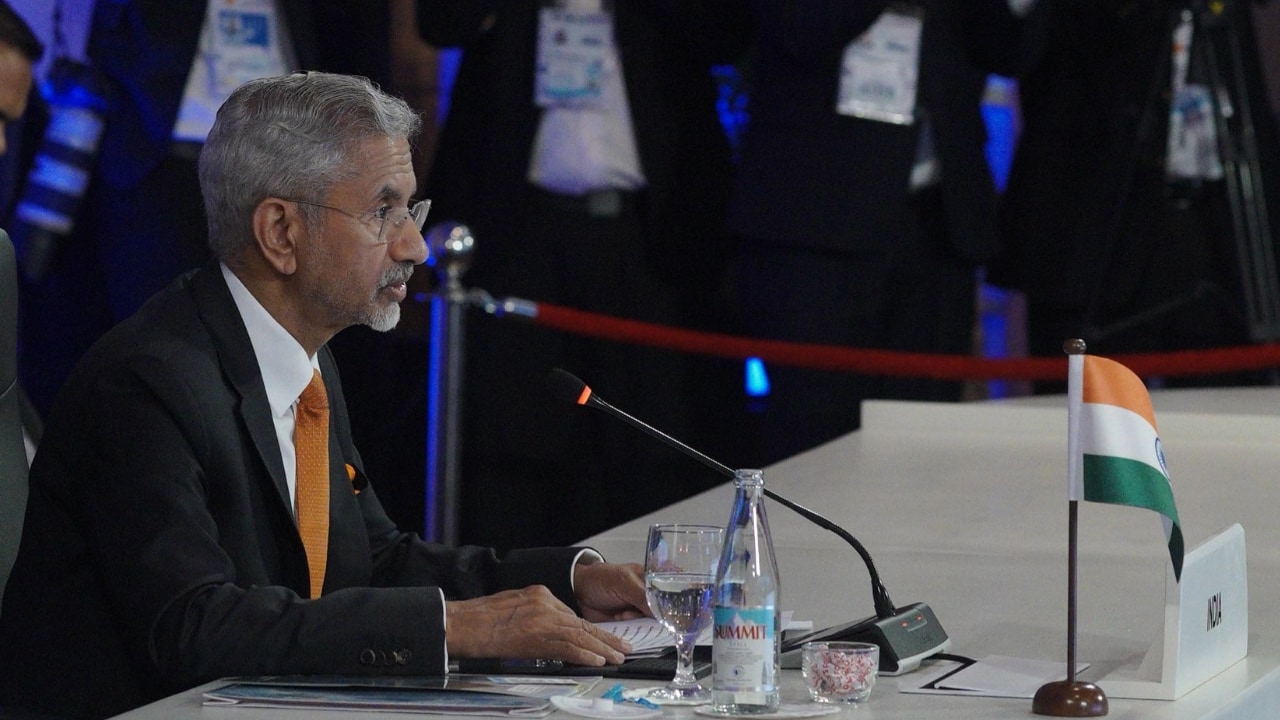
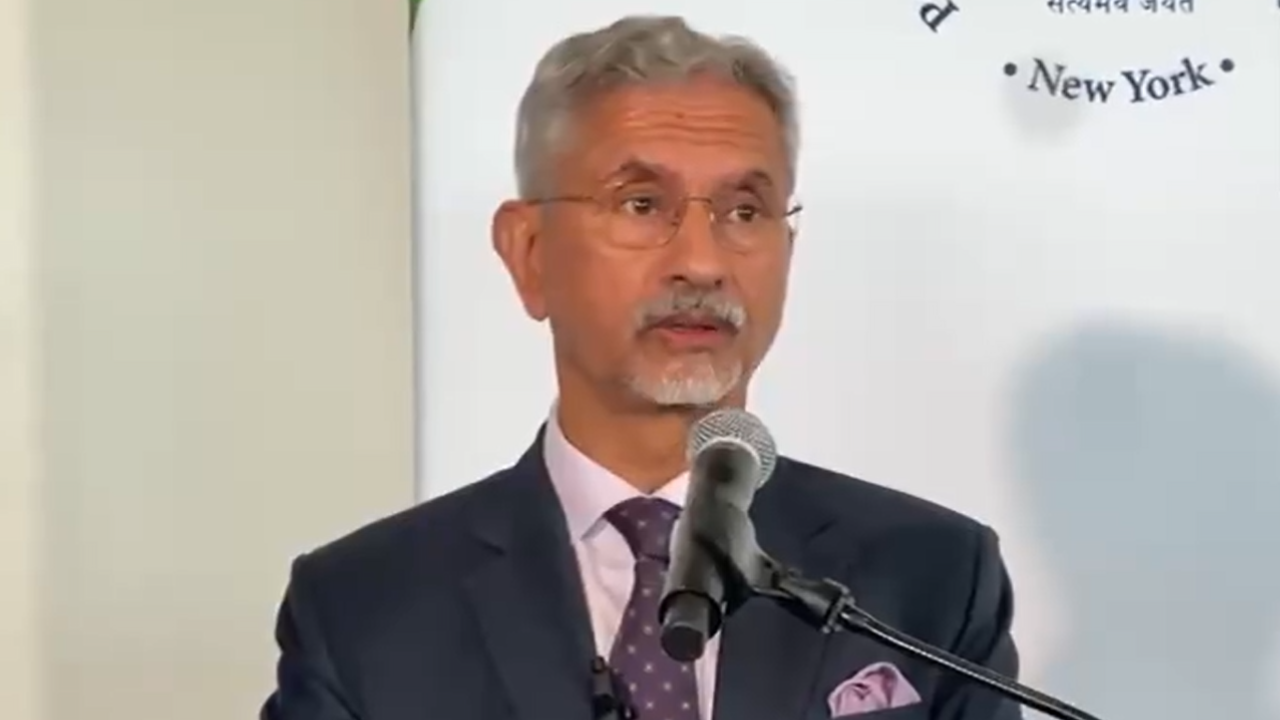
New Delhi: Foreign Minister S. Jaishankar officially launched India’s candidature for a non‑permanent seat on the United Nations Security Council (UNSC) for the 2028‑29 term at the UN headquarters in New York. In the same address he unveiled the country’s “SHANTI” vision – an acronym for “Securing Holistic Advancement through Norms, Trust and Integrity” – positioning it as a fresh blueprint for global governance.
What SHANTI Stands For
Jaishankar warned that the world is currently grappling with a “profound paradox” of rising conflict, violence and instability, which makes the UNSC more critical than ever. The SHANTI vision, he argued, seeks to embed respect for international norms, mutual trust and ethical conduct into every facet of multilateral decision‑making, arguing that peace, progress and prosperity cannot be achieved in isolation.
India’s Peacekeeping Legacy
India has contributed roughly 300,000 personnel to about 50 UN peacekeeping missions since the organisation’s inception, making it one of the largest troop‑contributing countries. At present, about 4,300 Indian personnel are deployed across ten of the eleven active missions. Jaishankar pledged to push for better‑equipped, technology‑driven and realistically mandated peace operations, while also championing the Women, Peace and Security agenda.
Development Partnerships and the Global South
Beyond the battlefield, India has funded development projects in 79 countries, underscoring its role as a development partner. Jaishankar highlighted India’s consistent use of dialogue, diplomacy and inclusive development to mitigate the impact of global crises on the Global South, while also pledging focused action on climate change, terrorism and maritime security.
Strategic Stakes in the UNSC
If elected, India would join the ten rotating non‑permanent members alongside the five permanent powers – China, France, Russia, the United Kingdom and the United States. The Asian‑Pacific Group seat contested by India and Tajikistan will be decided in a June 2027 election by the 193‑member UN General Assembly, requiring a two‑thirds majority.
India has previously served on the Council eight times (1950‑51, 1967‑68, 1972‑73, 1977‑78, 1984‑85, 1991‑92, 2011‑12 and 2021‑22). This campaign also reiterates India’s call for broader UNSC reforms, arguing that the 1945 structure no longer reflects contemporary geopolitical realities.