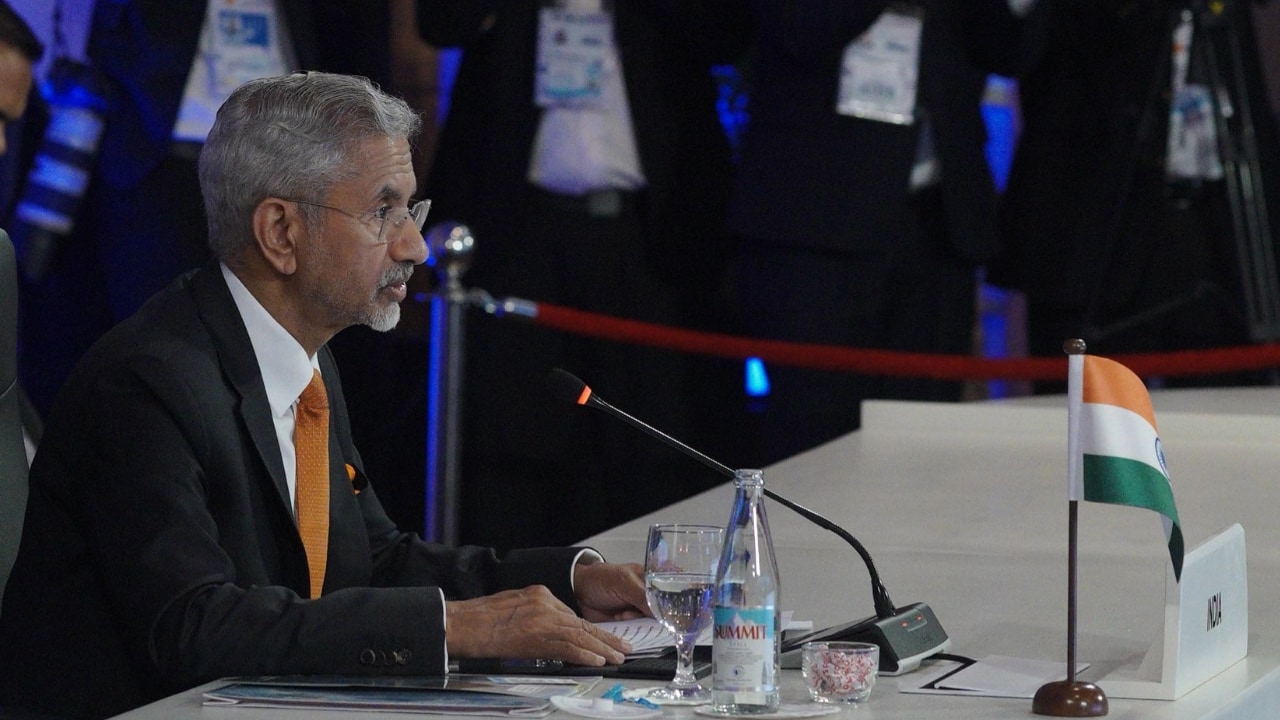
Prime Minister Narendra Modi’s Indo‑Pacific tour sought to blend economic, strategic and security cooperation, but the real impact hinges on how Delhi implements the agreements at home.
Key Takeaways
- Modi’s Indo‑Pacific tour aims to deepen strategic ties across the region.
- Bilateral agreements will succeed only if backed by robust domestic implementation.
- Closing the ASEAN‑India trade gap requires concrete, coordinated steps.
Prime Minister Narendra Modi concluded a six‑day visit to Indonesia, Australia and New Zealand, a move that underscores India’s intent to chart an independent course amid rising US‑China tensions. The tour was framed as a “tri‑nation” effort to fuse economic, strategic and security cooperation under a refreshed Indo‑Pacific outlook.
Historical Context
For three decades, India’s “Look East” and later “Act East” policies have expanded ties with Southeast and East Asia. Yet the quantitative gap remains stark. India‑ASEAN trade grew from roughly $7 billion in 2000 to about $125 billion in 2025, while China‑ASEAN trade surged from $40 billion to nearly $1 trillion in the same period. Similar disparities exist in connectivity, technology partnerships, and defence collaboration.
Key Outcomes of the Three‑Country Tour
In Indonesia, accelerating the development of Sabang Port promises to boost maritime logistics, domain awareness and naval cooperation. The sale of BrahMos missiles signals India’s emerging role as a defence exporter in Southeast Asia. In Australia, the launch of comprehensive FTA negotiations builds on recent trade liberalisation, and finalising administrative arrangements for uranium exports dovetails with India’s ambitious nuclear‑power expansion. Beyond uranium, Australia’s critical mineral reserves could become a cornerstone for India’s long‑term industrial growth. Enhanced maritime cooperation in the eastern Indian Ocean adds a strategic layer to the partnership.
Why Implementation Remains the Bottleneck
Despite these diplomatic wins, the primary constraint is not a lack of initiatives but a failure to translate them into action. Discussions on Sabang Port and Australian uranium began more than a decade ago, yet tangible progress remains limited. The domestic agenda—regulatory reforms, infrastructure upgrades, and supply‑chain resilience—must move in lockstep with foreign agreements, or the latter will remain symbolic.
Path Forward
Realising a coherent Indo‑Pacific strategy requires India to strengthen its internal capabilities: streamline policy execution, enhance resilient supply chains, and accelerate technology partnerships. Only then can India narrow the ASEAN‑India trade gap and emerge as a credible counterweight to China’s expanding influence in the South Pacific.