Iran has sharply dismissed President Donald Trump's proposal to impose a 20% fee on vessels transiting the Strait of Hormuz, labeling it excessive and unjust. The move raises concerns over heightened regional tensions and potential impacts on global oil markets.
Key Takeaways
- Trump proposes a 20% fee for transiting the Strait of Hormuz.
- Iran calls the fee excessive and unfair.
- Potential ripple effects on regional stability and global oil prices.
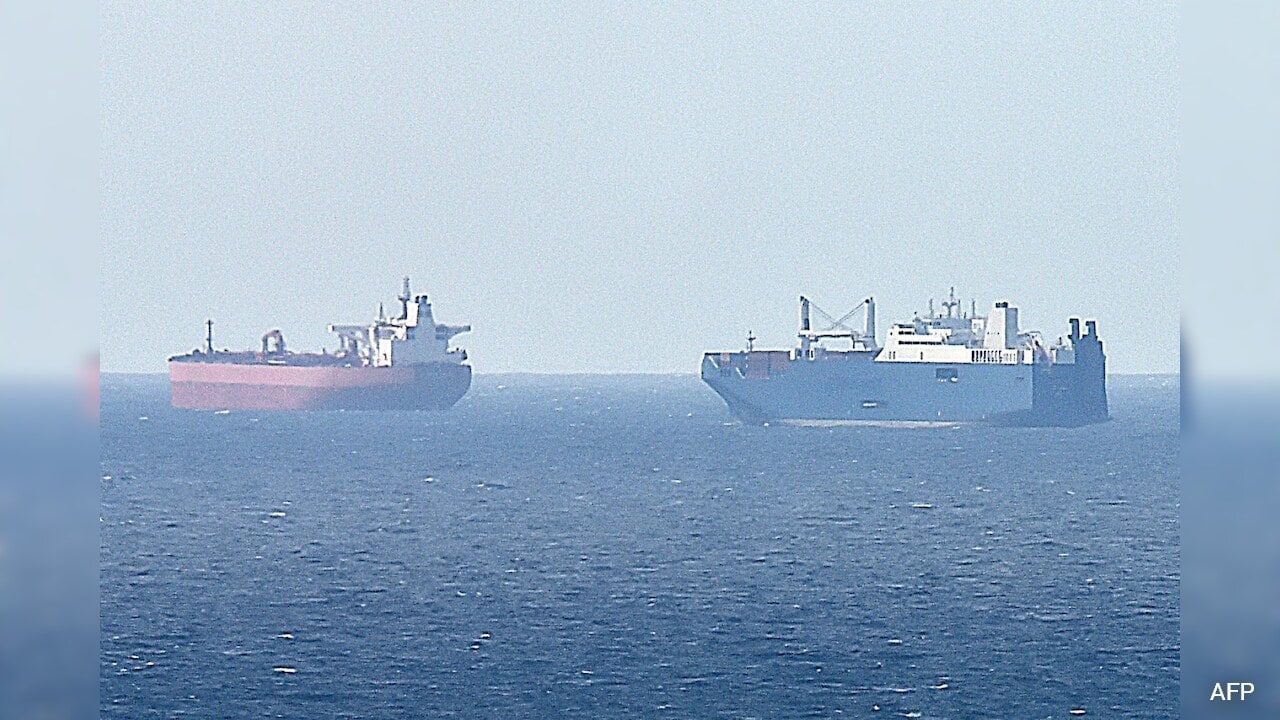
U.S. President Donald Trump announced on his Truth Social platform a plan to levy a 20% fee on ships passing through the Strait of Hormuz. The proposal, which could significantly raise costs for oil‑dependent nations, appears to clash with established international maritime law and existing agreements.
Historical Context
The Strait of Hormuz is one of the world’s most strategic waterways, channeling roughly 20% of daily global oil shipments. Since the 1979 Islamic Revolution, Iran‑U.S. relations have been fraught, with the strait frequently used as a geopolitical lever. Notably, 2019 saw a series of confrontations that led to repeated threats of closure.
Trump’s Fee Proposal
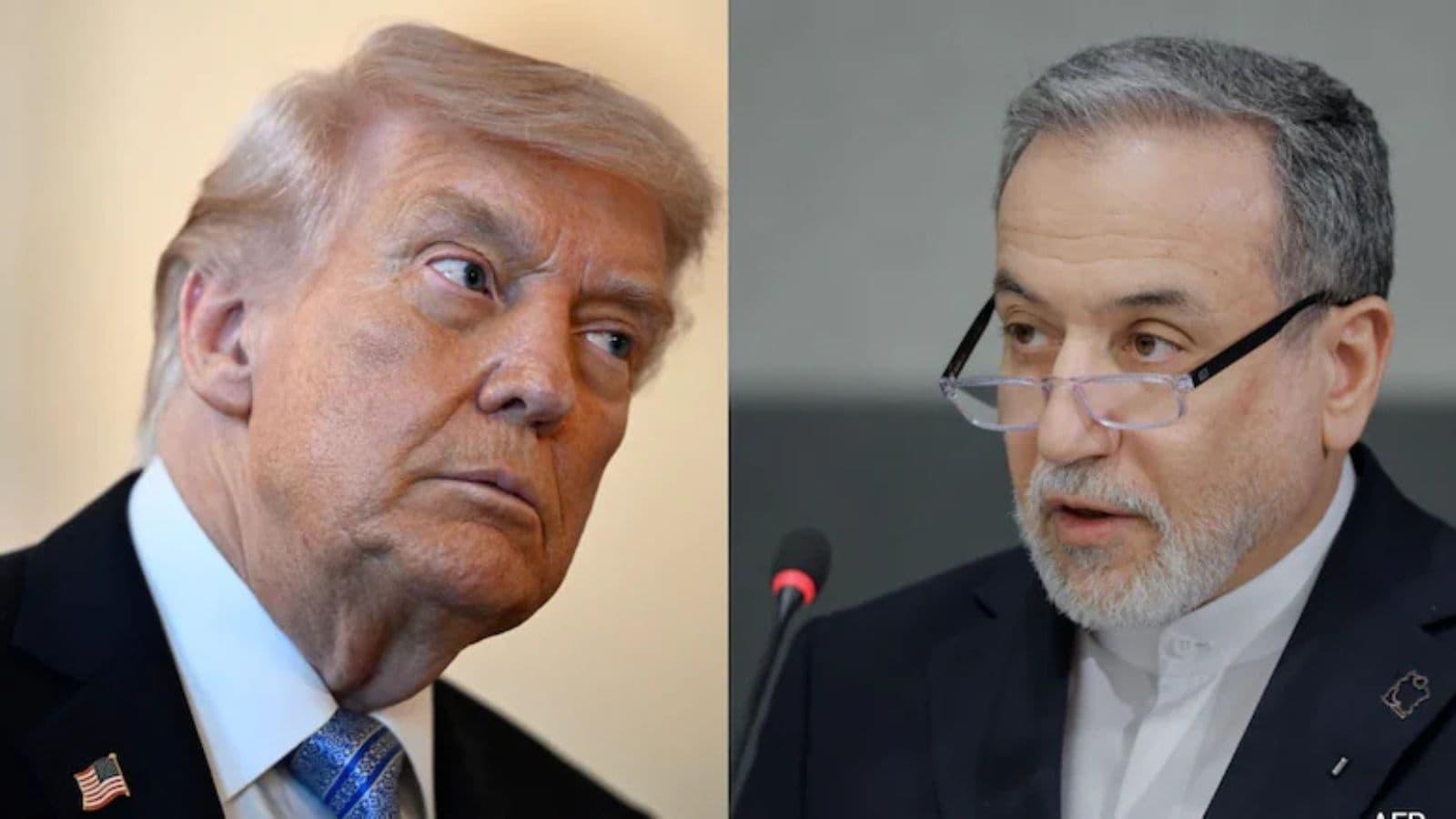
Trump framed the 20% charge as a “security cost” to offset perceived threats, particularly from Israel, stating that “all nations will be subject to the same fee and it will enhance maritime safety.” If implemented, the fee could become a heavy financial burden for shipping companies already coping with rising fuel costs.
Iran’s Response
Iranian Foreign Minister Araghchi quickly condemned the move, describing the 20% levy as “far too high” and “unfair.” He warned that Tehran might reroute its oil shipments or increase prices in retaliation, and pledged to label the fee “illegal and discriminatory” in international forums.
Implications and Outlook
Should the fee be enforced, it could further strain Iran‑U.S. ties and inject volatility into the global oil market. Analysts warn of possible price spikes and shifts in shipping routes, affecting supply chains worldwide. The international community now faces the challenge of debating the proposal while seeking diplomatic avenues to preserve regional stability.