President Donald Trump’s proposal to impose a 20% charge on cargo transiting the Strait of Hormuz has been met with sharp criticism from Iran’s Foreign Minister Abbas Araghchi, who promises a lower, fairer fee. The dispute revives geopolitical tension and raises questions under international maritime law.
Key Takeaways
- The U.S. proposes a 20% toll for vessels passing through the Strait of Hormuz.
- Iran vows a lower, fair rate and reaffirms its role as the strait’s guardian.
- The International Maritime Organization (IMO) rejects any legal basis for mandatory tolls.
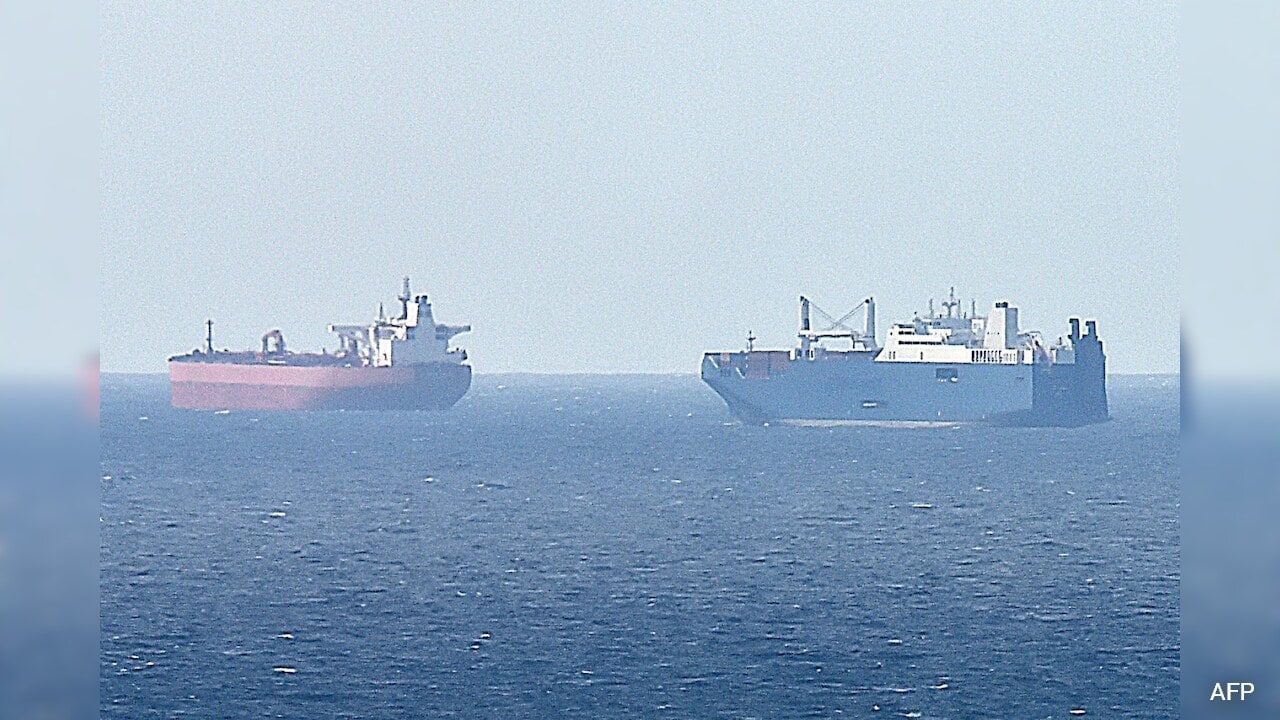
U.S. President Donald Trump announced a reinstatement of a naval blockade on the Strait of Hormuz, coupled with a 20% levy on all cargo shipped through the critical waterway. The move, aimed at recouping security costs, has heightened the already volatile U.S.–Iran relationship and threatens to disrupt global trade flows.
Background Context
The Strait of Hormuz is a chokepoint through which roughly five percent of the world’s oil supply transits daily. Since the 1979 Islamic Revolution, Iran has treated the strait as a strategic asset, while the United States has traditionally advocated for unrestricted navigation under international law.
U.S. Proposal and Blockade
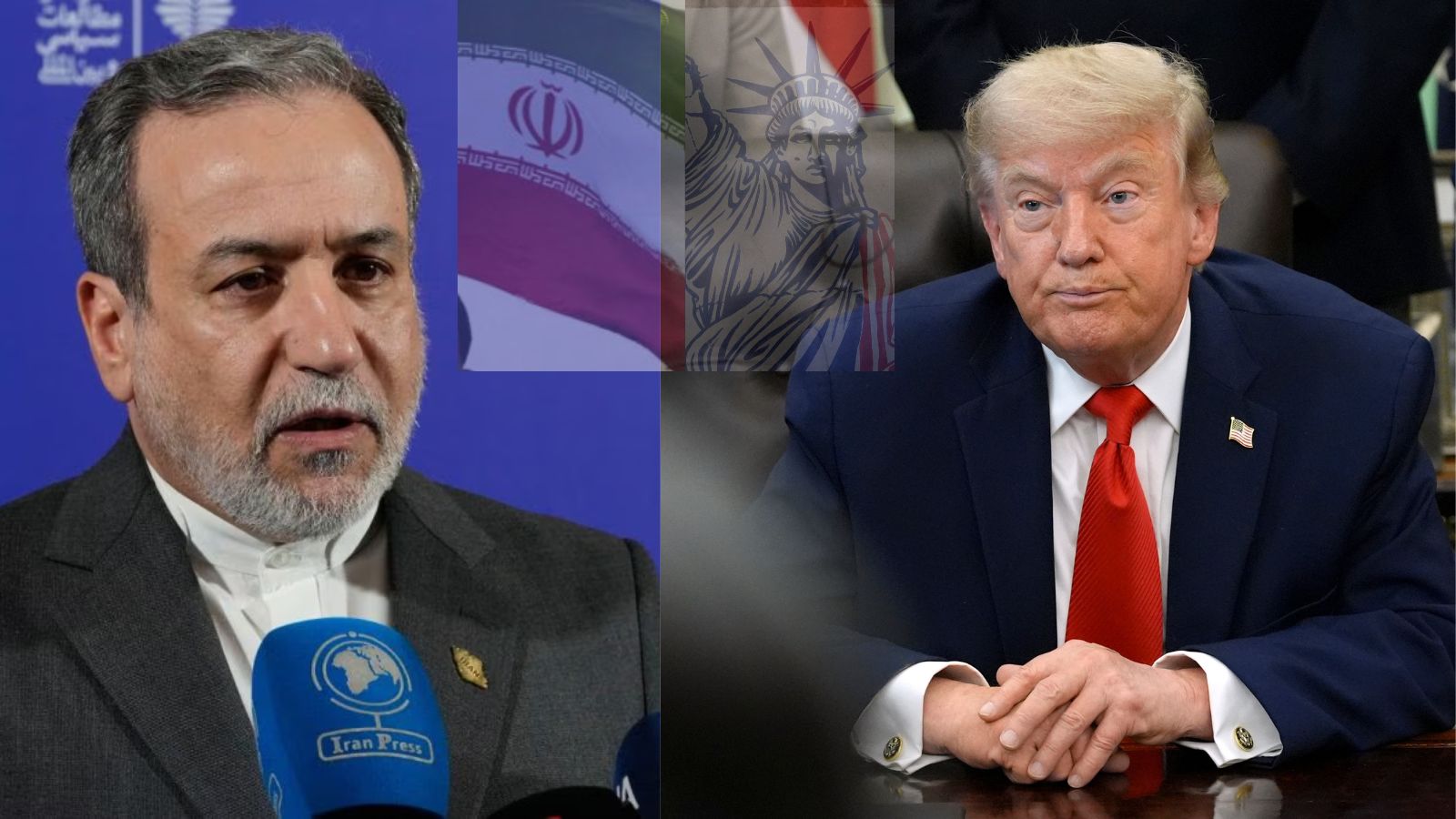
On his official Truth Social account, Trump wrote, “We will reinstate the Iranian blockade. All other countries will have fair and open use of the Strait, but they must pay 20% of cargo value to cover safety and security costs.” The proposed fee is intended to offset the expenses of protecting commercial shipping in a region fraught with missile threats and naval skirmishes.
Iran’s Counter‑Response
Iranian Foreign Minister Abbas Araghchi responded on X (formerly Twitter), stating, “POTUS is absolutely right that those who provide secure passage should be compensated, but 20% is too much. We will be fair.” He reiterated that Iran has “always been the guardian of the Strait and will remain so forever,” signaling Tehran’s unwillingness to accept the U.S. demand.
International Legal Perspective
The International Maritime Organization (IMO) has publicly opposed the imposition of mandatory tolls for transiting a strait, declaring, “There is no legal basis through which to introduce mandatory tolls simply to transit through a strait.” This stance underscores the lack of treaty support for unilateral fees and adds pressure on both capitals to seek a diplomatic resolution.
Potential Implications
If enforced, the 20% levy could raise shipping costs, trigger higher oil prices, and increase the risk of naval confrontations. Analysts warn that a negotiated settlement—balancing security concerns with free navigation—will be essential to maintain stability in this geopolitically sensitive corridor.