Iran launched cruise missiles at two UAE‑flagged tankers in the Strait of Hormuz, killing an Indian crew member and wounding six others. The UAE called the attack a serious breach of international law, while U.S. forces escalated the conflict with fresh air strikes on Iran.
मुख्य बिंदु (Key Takeaways)
- Iran fired cruise missiles at two UAE tankers in Omani waters
- One Indian seafarer killed, six injured (including four seriously)
- Escalation in Hormuz follows new U.S. strikes against Iran
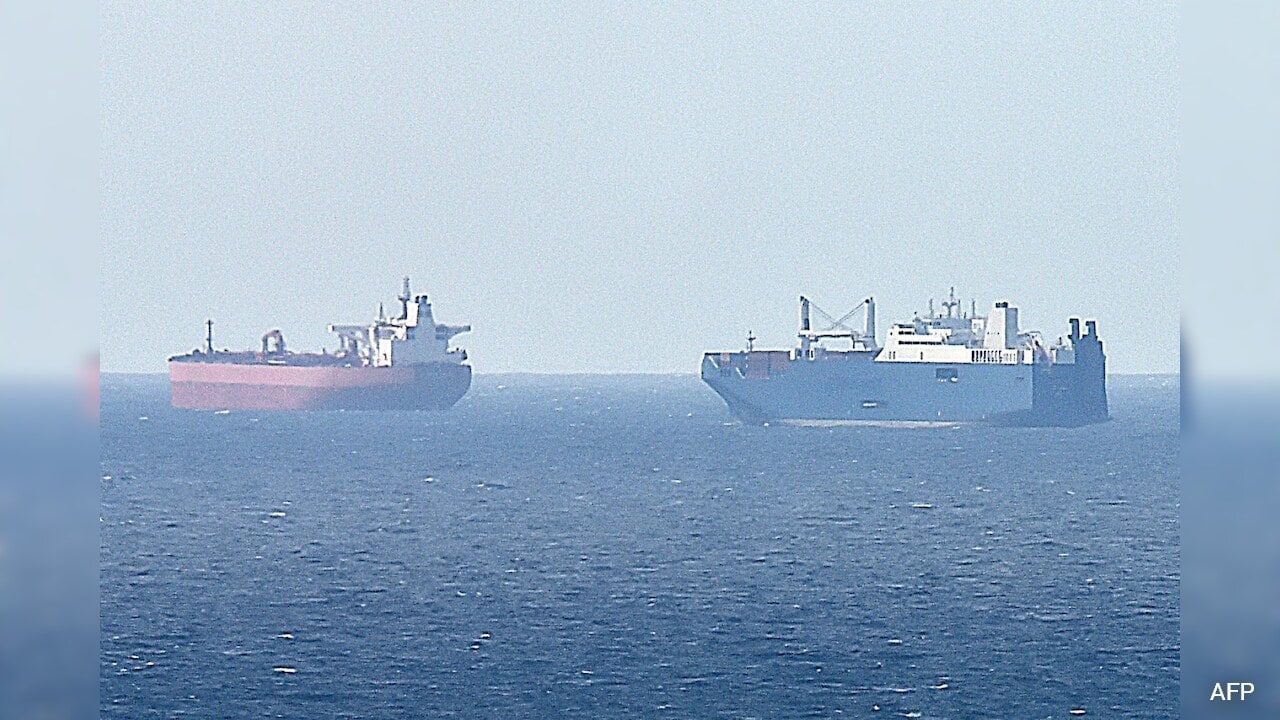
Violence erupted in the southern passage of the strategic Strait of Hormuz when Iran targeted the UAE‑flagged tankers Mombasa and Bahia with cruise missiles. Both vessels caught fire, but the blazes were later contained. According to the UAE Ministry of Defence, the attack claimed the life of an Indian crewman aboard the Mombasa, while eight crew members — six Indians and two Ukrainians — sustained injuries, four of them serious.
Strategic Context
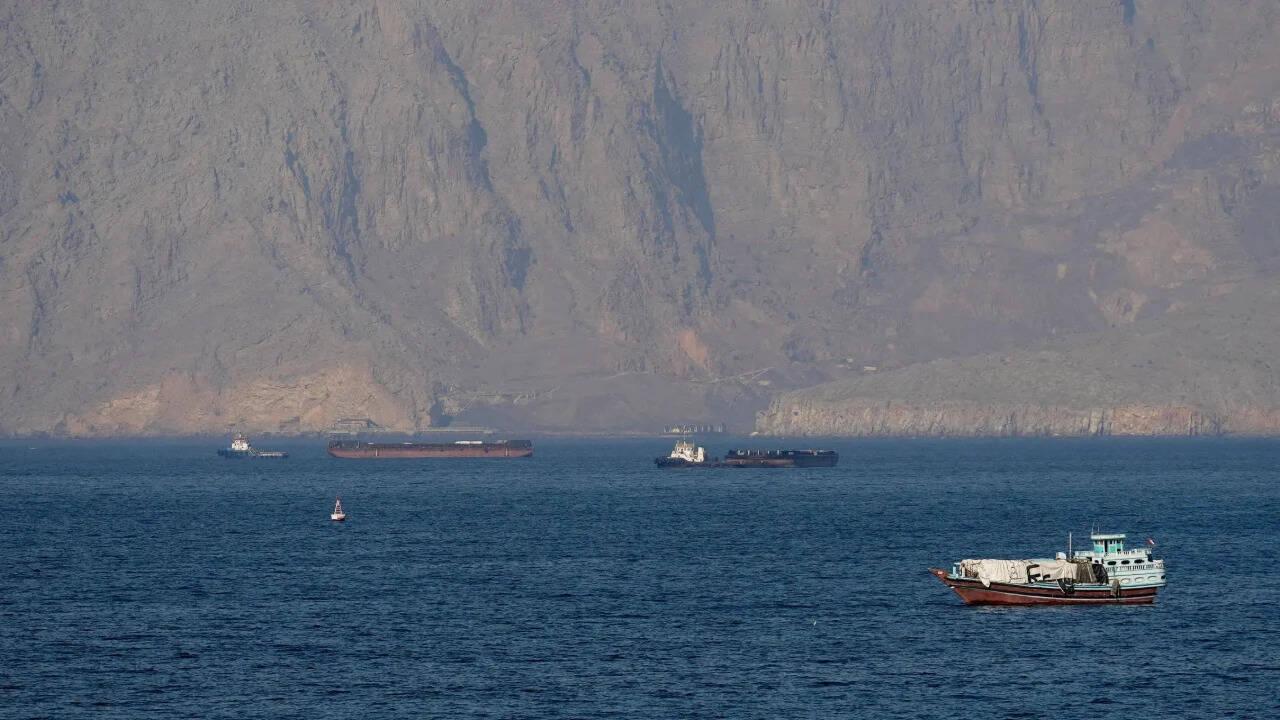
The Hormuz waterway is a chokepoint through which roughly five percent of the world’s petroleum passes daily, making it a focal point for geopolitical rivalry. Iran’s recent claims of “violating” vessels in the strait have heightened tensions with the United States and its allies, who have responded with a series of precision air strikes aimed at degrading Iran’s anti‑ship missile capabilities.
International Reactions
The United Arab Emirates condemned the missile strike as “a serious violation and a clear breach of international law,” warning that it reserves the right to take all necessary measures to protect its territory, people, and national interests. Iran’s semi‑official Tasnim agency framed the attack as a response to “hostile American enemy” vessels, while the U.S. Central Command announced fresh strikes intended to reduce Tehran’s ability to threaten civilian shipping.
Potential Implications
Shipping companies may now reroute vessels, face higher insurance premiums, and experience cargo delays, while global oil markets could see price spikes due to heightened supply‑chain uncertainty. Analysts caution that without urgent diplomatic de‑escalation, the incident could spiral into a broader maritime conflict, jeopardizing regional stability and global trade.