Iran launched precision missile strikes on multiple U.S. facilities across the Persian Gulf, while the United States responded by hitting a building near Iran's Bushehr nuclear plant. Low‑resolution satellite imagery confirms extensive damage on both sides, raising fresh concerns over regional security and nuclear safety.
Key Takeaways
- Iran targeted U.S. bases in Jordan, Qatar, Bahrain and Kuwait with ballistic and cruise missiles.
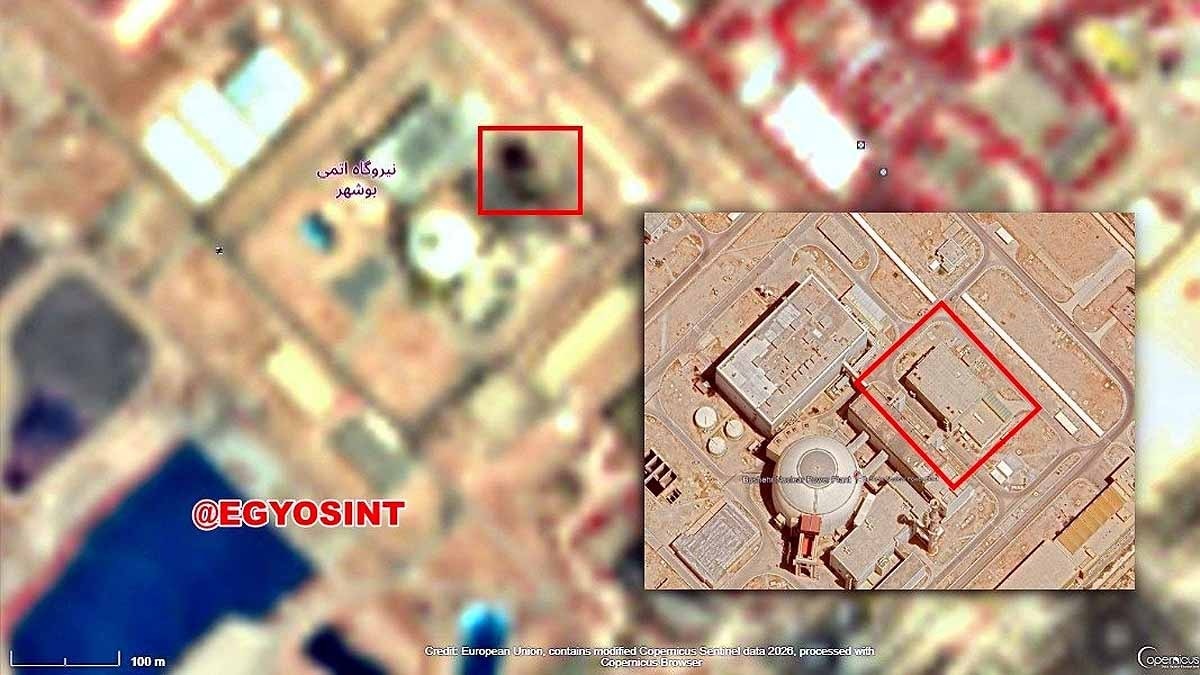
- The United States struck a critical structure near the Bushehr Nuclear Power Plant, destroying a building used for additional reactor construction.
- Satellite imagery validates the scale of damage on both sides, highlighting heightened risks to oil shipping lanes and nuclear safety.
Historical Context
The Iran‑United States rivalry has deep roots dating back to the 1979 Islamic Revolution. After a series of U.S.‑Israel air campaigns against Iran’s nuclear and military sites in 2024‑2025, Tehran escalated its response in early 2026, targeting U.S. installations throughout the Gulf. The latest flare‑up follows a brief cease‑fire in June that collapsed after naval skirmishes in the Strait of Hormuz, a chokepoint through which roughly one‑fifth of the world’s oil flows.
Iranian Counter‑Strikes
Low‑resolution satellite photos show that Iran’s missiles completely destroyed the MQ‑4C Triton drone hangar at Jordan’s Prince Hassan Air Base. In Qatar, the hangar at Al‑Udeid Air Base sustained heavy damage, while a storage facility near the U.S. 5th Fleet headquarters in Bahrain was hit by a blast. A fire broke out at an old UN‑run base in Kuwait, which Tehran alleges was struck by HIMARS rockets. These attacks, employing a mix of ballistic and cruise missiles, underscore Iran’s reliance on asymmetric warfare tactics.
U.S. Retaliation
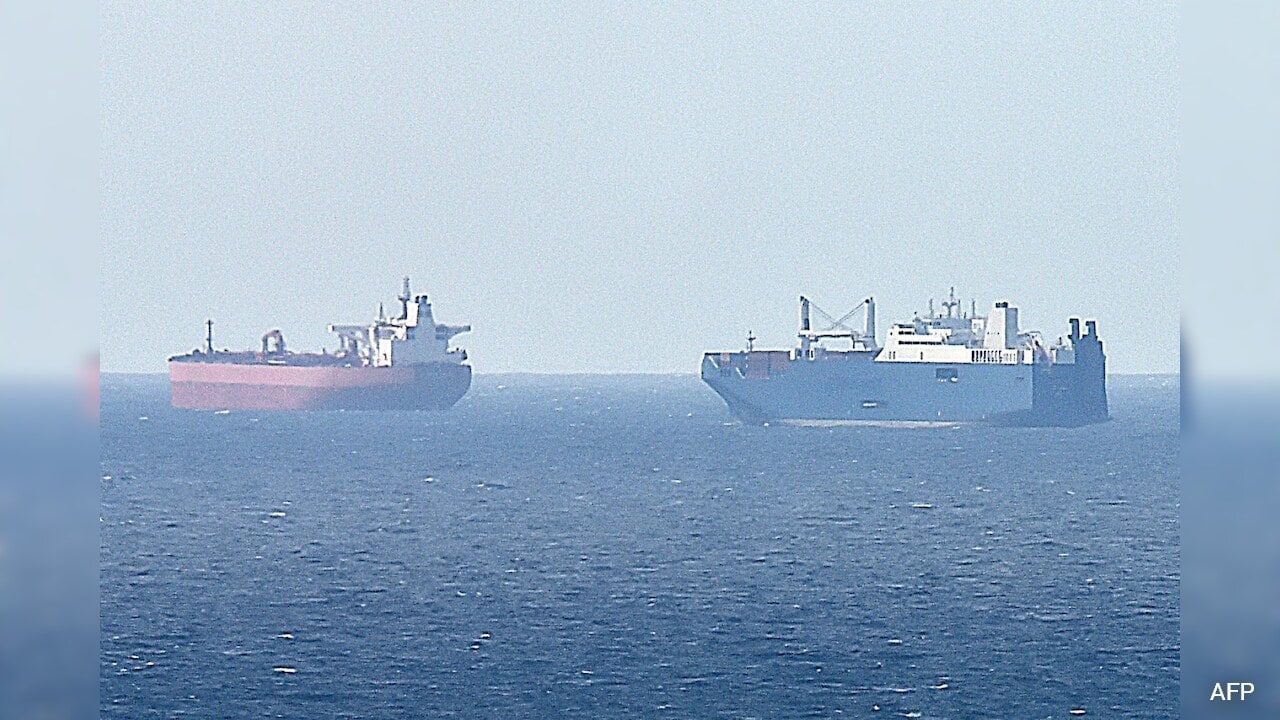
In a parallel operation, U.S. forces struck a building within the Bushehr Nuclear Power Plant complex, a structure that housed construction activities for two additional reactors and lay only metres from the operating core. The International Atomic Energy Agency (IAEA) had warned that a direct hit could trigger a radiological incident affecting neighboring Gulf states. Simultaneously, American aircraft targeted Iranian coastal missile sites, drone facilities and command centers, and launched strikes on vessels transiting the Strait of Hormuz.
Regional and Global Implications
The twin assaults have immediate repercussions for global energy markets. Oil prices spiked as traders priced in the risk to the Gulf’s shipping lanes. Security concerns have risen sharply in allied Gulf states—Jordan, Qatar, Bahrain and Kuwait—whose bases have now been directly affected. The damage near Bushehr raises the spectre of a radiological release, potentially necessitating evacuations and long‑term health monitoring for populations across the Persian Gulf.
Analyst Perspective
Security analysts note that open‑source satellite imagery is turning the fog of war into a more transparent battlefield, limiting each side’s ability to downplay damage. Iran’s asymmetric missile capabilities and the United States’ precision‑strike doctrine are now locked in a protracted strategic contest. Without a diplomatic de‑escalation, the conflict threatens to destabilise not only the Middle East but also worldwide energy supplies and nuclear non‑proliferation regimes.