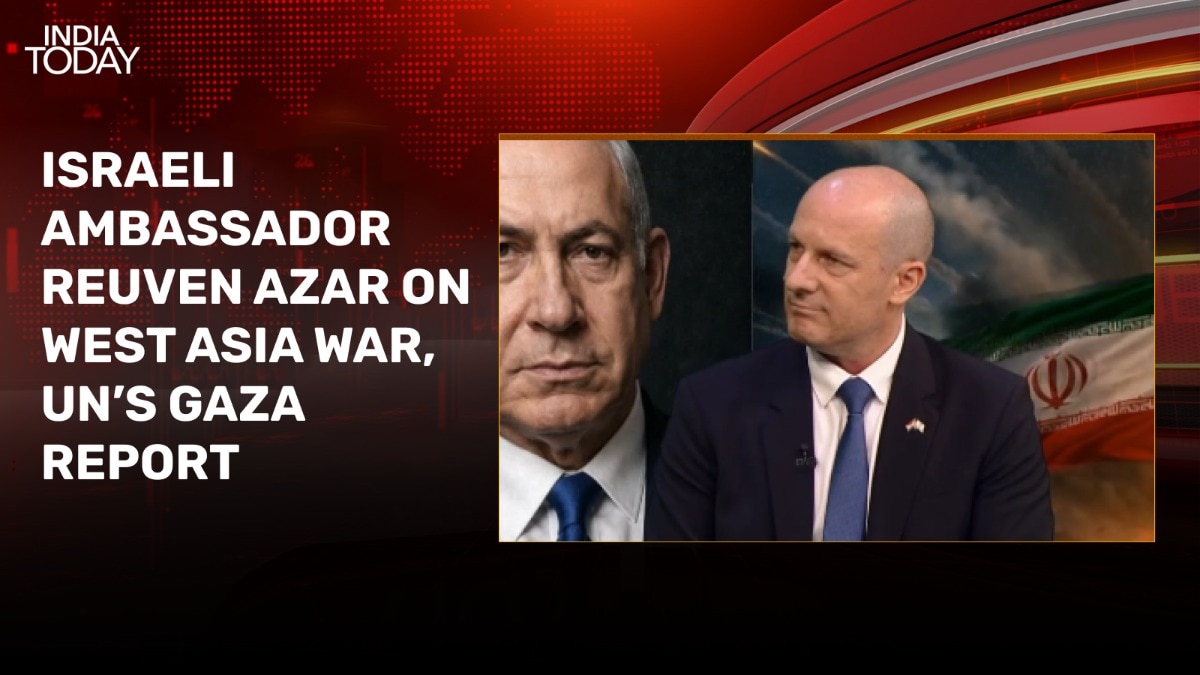
Israeli diplomat Reuven Azar has branded the United Nations’ Gaza assessment as biased, arguing it relies heavily on data supplied by Hamas. He questioned the report’s credibility and its impact on international discourse, sparking fresh debate over Middle East reporting standards.
Key Takeaways
- Israeli envoy labels UN Gaza report as biased
- Report allegedly depends on Hamas‑provided statistics
- The claim reignites debate on data integrity in conflict zones
The United Nations recently released a comprehensive report on the humanitarian situation in Gaza, detailing civilian casualties, infrastructure damage, and access to basic services. Israeli envoy Reuven Azar immediately dismissed the document as fundamentally partisan, asserting that it leans almost exclusively on figures supplied by Hamas.
Background
During the protracted Gaza conflict, the UN has traditionally gathered data from a mixture of local authorities, NGOs, and, inevitably, the governing body of the territory—Hamas. Because Hamas controls the civil administration, its statistics often become the sole quantitative source for international bodies. Azar argues that Hamas’s numbers are routinely inflated to serve political objectives, thereby compromising the impartiality of any UN‑produced analysis.
Core Criticisms of the Report
Azar highlighted three primary deficiencies: first, the unverified acceptance of Hamas‑reported death and injury tallies; second, the presentation of exaggerated damage to utilities and health facilities; and third, an insufficient examination of Israel’s military operations, which he claims downplays the context of the hostilities. He warned that such shortcomings could mislead policymakers and the global public about the true scale of the crisis.
International Reaction
Following Azar’s statements, several foreign ministries called for a thorough review of the UN’s methodology. The European Union expressed concerns over transparency, while a handful of Arab states defended the report’s overall integrity. A UN spokesperson reiterated that the assessment was compiled after rigorous cross‑checking, yet pledged to intensify independent verification in future updates.
Potential Implications
If Azar’s allegations gain traction, the UN may be compelled to revamp its data‑collection protocols, incorporating a broader array of independent sources to mitigate reliance on any single party. Such a shift would enhance the precision of humanitarian aid distribution and bolster the UN’s credibility in a region fraught with mistrust. Ultimately, resolving this controversy hinges on collaborative, transparent data gathering that transcends political biases.