As the Gaza war spills into the Red Sea via Houthi attacks, Sudan’s conflict fuels Gulf rivalry, and Ethiopia seeks maritime access, the corridor becomes a focal point for military, diplomatic and economic competition among global powers.
मुख्य बिंदु (Key Takeaways)
- Houthi attacks have extended the Gaza conflict into the Red Sea.
- Sudan’s war intensifies Gulf competition for influence in Africa.
- The US, China, Turkey and Gulf monarchies are expanding presence along the Red Sea.
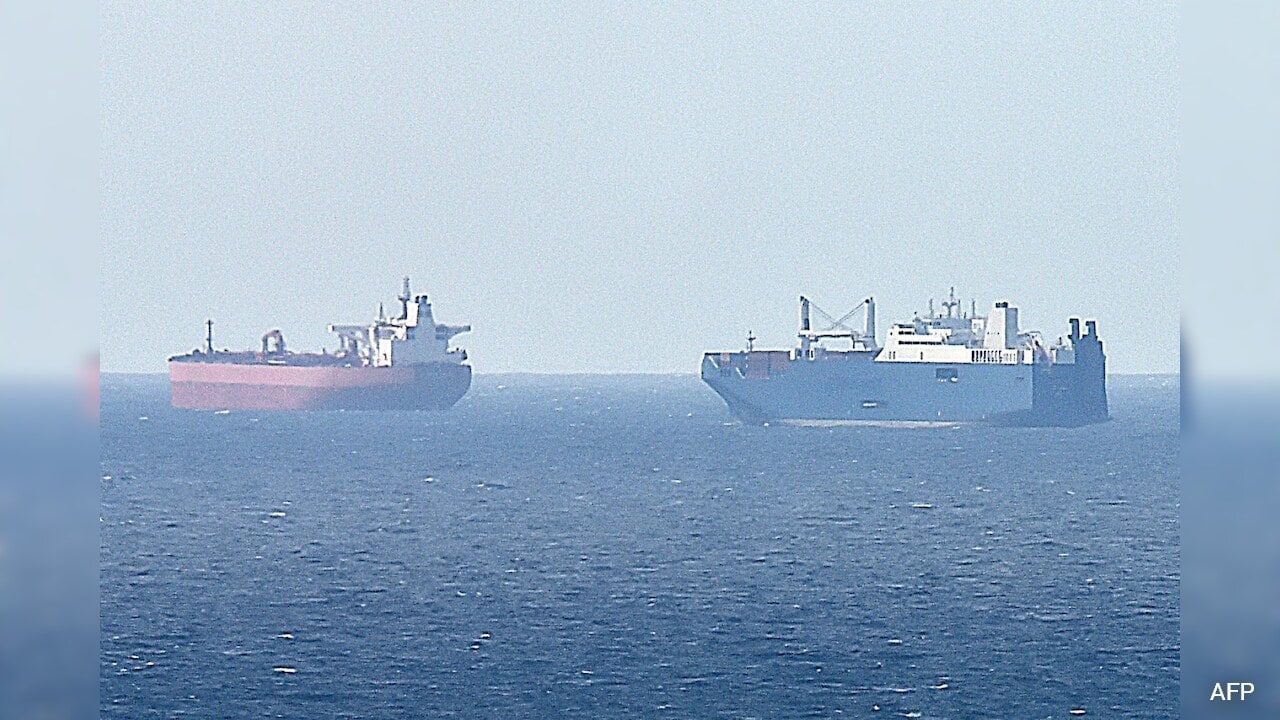
The Red Sea, stretching roughly 2,200 km from the Suez Canal to the Bab el‑Mandeb Strait, is no longer just a commercial artery. It has become the pivotal hinge that links two volatile zones—West Asia and the Horn of Africa. After the Gaza conflict erupted, the Houthi movement in Yemen began targeting commercial vessels, driving up freight rates, slowing supply chains, and forcing ships to reroute around Africa.
Historical Context
For centuries the Red Sea served as a conduit for trade, pilgrimage and imperial expansion, connecting Europe and Asia. Ottoman and British empires, and later Cold‑War superpowers, vied for influence along its shores. Yet, in the post‑Cold‑War era, the waterway was largely viewed through an economic lens, with occasional attention to Somali piracy in the late 2000s.
A New Regional Security Complex
Today the Red Sea exemplifies a regional security complex where the security of one state is inseparable from that of its neighbours. The Gaza war, Sudan’s civil strife, Houthi attacks on shipping, and Ethiopia’s quest for a Red Sea port are converging, turning a simple maritime route into a hotbed of intersecting conflicts and rivalries. Gulf states compete for African influence, while the United States, China, Turkey and other actors expand their naval, diplomatic and economic footprints.
Economic and Strategic Stakes
Globally, the Red Sea is a critical trade corridor; for India it is the primary gateway to Europe, North Africa and the Eastern Mediterranean, as well as a conduit for energy supplies. Any disruption at Bab el‑Mandeb can ripple through Europe‑Asia commerce within days, underscoring why major powers are keen to secure a foothold.
Looking Ahead
If the growing interdependence is not managed through multilateral dialogue and maritime security arrangements, instability could deepen. Coordinated diplomatic efforts and economic cooperation are essential to transform this strategic chokepoint from a flashpoint into a stabilising conduit.