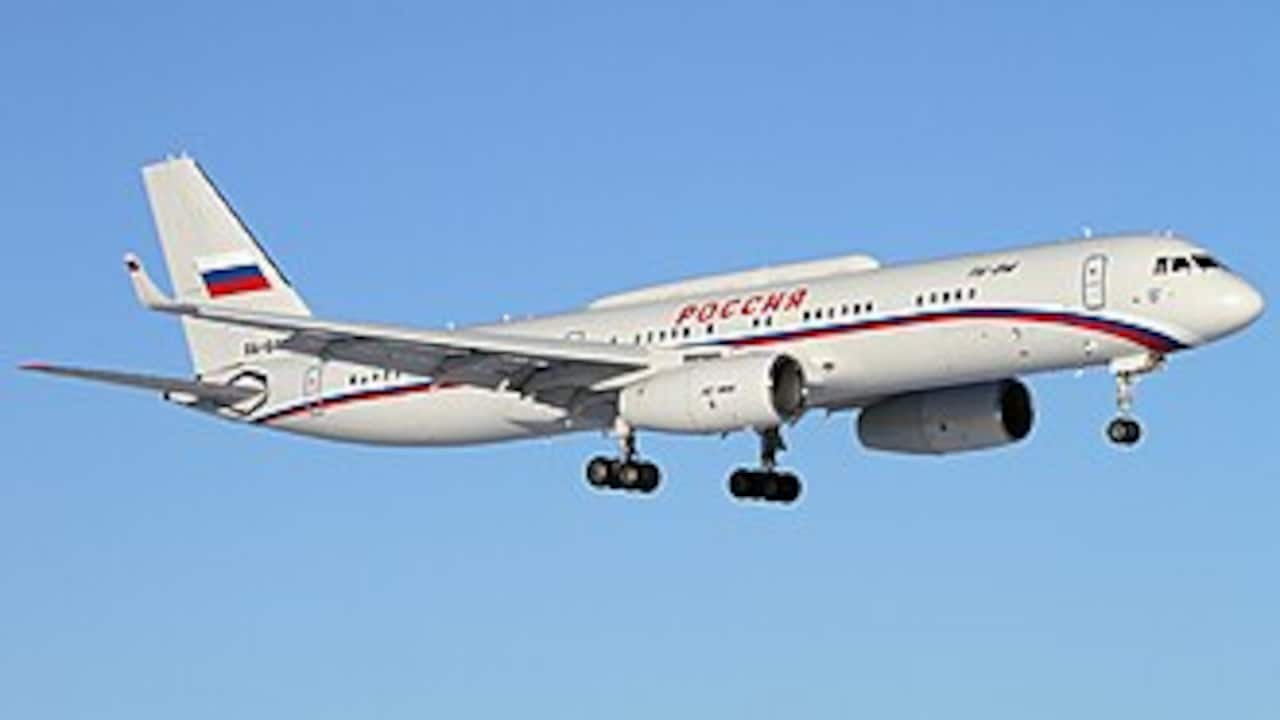
Russia’s specialised Tu‑214PU, often dubbed the “Doomsday Plane,” has landed in Iran, sparking fresh strategic speculation. The move arrives at a time of escalating regional tension and may signal a calibrated message from Moscow.
Key Takeaways
- Russia’s Tu‑214PU landed in Iran, adding a new variable to regional security dynamics.
- The aircraft functions primarily as a hardened communications node, not as Russia’s main nuclear‑survivable command platform.
- Its frequent pairing with senior Russian delegations suggests a deliberate strategic signaling effort.
The Russian Tu‑214PU, widely referred to in media as the “Doomsday Plane,” recently touched down at an Iranian airfield, drawing immediate attention from defence analysts worldwide. While the moniker evokes apocalyptic imagery, the aircraft’s true purpose lies in providing an ultra‑secure, EMP‑resistant communications link for high‑level Russian officials during crisis scenarios.
Technical Profile and Operational Role
Derived from the civilian Tu‑214 transport airframe, the PU variant is retro‑fitted with advanced electronic‑warfare suites, anti‑jamming antennas, and a hardened data‑link system capable of surviving a nuclear electromagnetic pulse. Unlike the more famous Il‑80 “Doomsday” platform, the Tu‑214PU is not Russia’s primary airborne nuclear‑command centre; instead, it serves as a mobile, survivable node that ensures command‑and‑control (C2) continuity for the Kremlin’s top brass.
Why Iran?
Iran and Russia have deepened military‑technical cooperation over the past decade, ranging from joint air‑defence drills to arms sales. The recent landing can be interpreted through two lenses: first, as a test of the aircraft’s communication suite in a foreign, yet allied, environment; second, as a strategic signal to regional actors and Western powers that Russia remains committed to projecting power in the Middle East. Historically, the Tu‑214PU has been spotted accompanying delegations led by the Russian defence minister, foreign minister, or senior generals, underscoring its diplomatic utility.
Strategic Implications
The presence of a hardened communications platform on Iranian soil has several ramifications. For Tehran, it offers a glimpse into Russian EMP‑hardening technology, potentially bolstering its own air‑defence resilience. For Israel, Saudi Arabia and the United States, the move may be read as a reminder that Moscow can quickly embed secure C2 capabilities within allied territories, complicating any pre‑emptive strike calculations.
International Reactions and Outlook
Western ministries have issued cautious statements, noting the flight as “routine” while quietly monitoring the broader strategic context. Analysts predict that the Tu‑214PU’s visit is unlikely to be a one‑off event; future deployments to other regional partners could reshape how secure communications are layered across the Middle East. If Russia expands the footprint of such aircraft, it would effectively create a network of hardened nodes, enhancing its ability to coordinate operations under extreme conditions.
Overall, the landing of the “Doomsday Plane” in Iran highlights not only the technical sophistication of Russia’s airborne communication assets but also the evolving geopolitical chessboard where aircraft become symbols of influence as much as tools of war.