U.S. President Donald Trump announced the revival of a blockade targeting Iranian vessels in the Strait of Hormuz and a 20% toll on qualifying cargo, heightening regional tensions and shaking global oil markets.
Key Takeaways
- Trump restores an Iran‑specific blockade in the Strait of Hormuz
- 20% toll to be levied on eligible cargo passing the strait
- Escalation fuels oil price volatility and regional security concerns
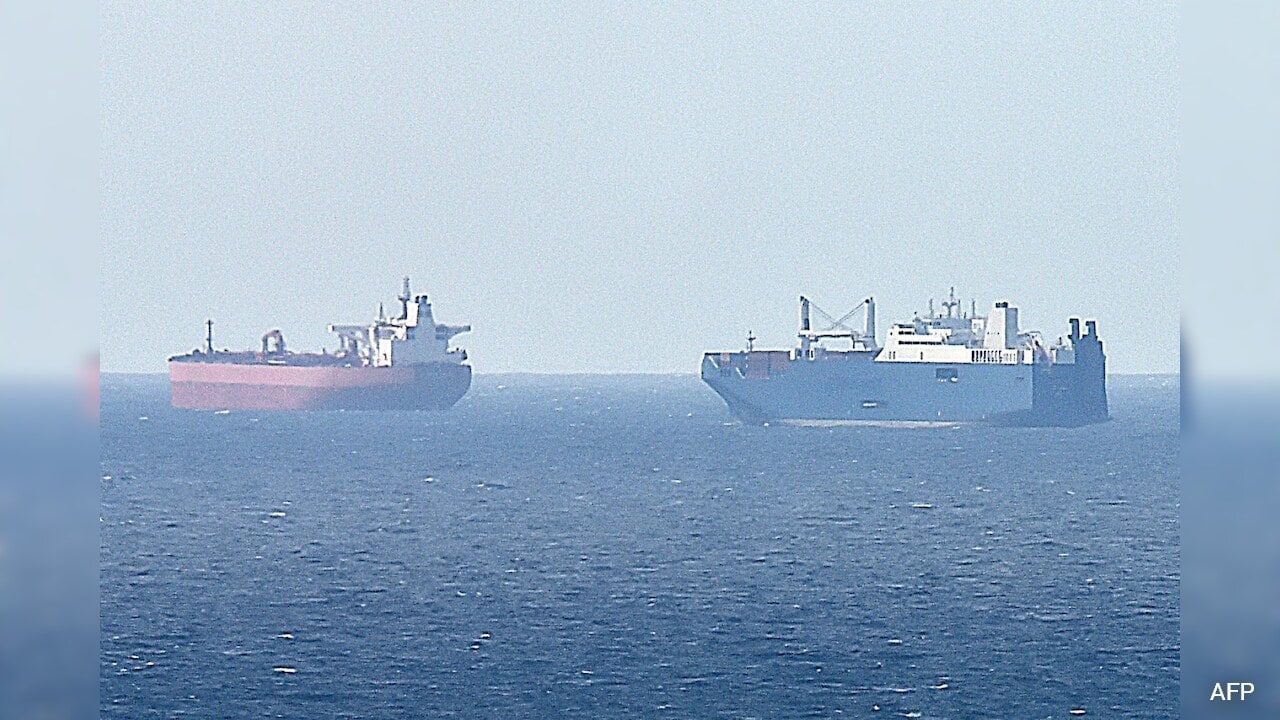
President Donald Trump declared on Monday that the United States is “reinstating the Iranian blockade” in the Strait of Hormuz and will charge a 20 percent toll on cargo deemed eligible for safe passage. The move comes amid a 60‑day negotiation window aimed at ending the war and resolving Iran’s disputed nuclear program.
Background
The Strait of Hormuz channels roughly one‑fifth of the world’s oil and gas shipments. Since the U.S. and Israel launched military operations against Iran in February 2024, Tehran has asserted de‑facto control over the waterway. While international law guarantees freedom of navigation, Iran argues that an interim peace deal signed last month gives it the right to manage traffic and levy fees—a claim the United States rejects.
Latest Developments
Trump posted on social media, “We are reinstating the Iranian blockade, stopping Iran’s ships or customers from entering or leaving. All other countries will have fair and open use of the Strait.” Following the announcement, Iran launched retaliatory missile and drone attacks on regional allies, striking Bahrain, Kuwait and Jordan. The U.S. responded with a heavy strike campaign targeting Iranian air‑defence systems, radar sites, missile launch pads and small craft.
Economic Impact
Oil prices jumped nearly 5 percent after the announcement, with Brent crude stabilising around $72.92 per barrel after briefly touching $120 at the war’s peak. The volatility underscores the strait’s strategic importance and raises concerns for energy‑importing economies across Asia and Europe.
Future Outlook
International mediators—including Pakistan, Qatar and Egypt—continue to push for a final settlement, but mistrust on both sides hampers progress. If the toll regime persists, Tehran will face added economic pressure, while Washington may confront accusations of violating the United Nations Convention on the Law of the Sea. The next few weeks will likely determine whether the region slides toward broader conflict or returns to diplomatic negotiation.