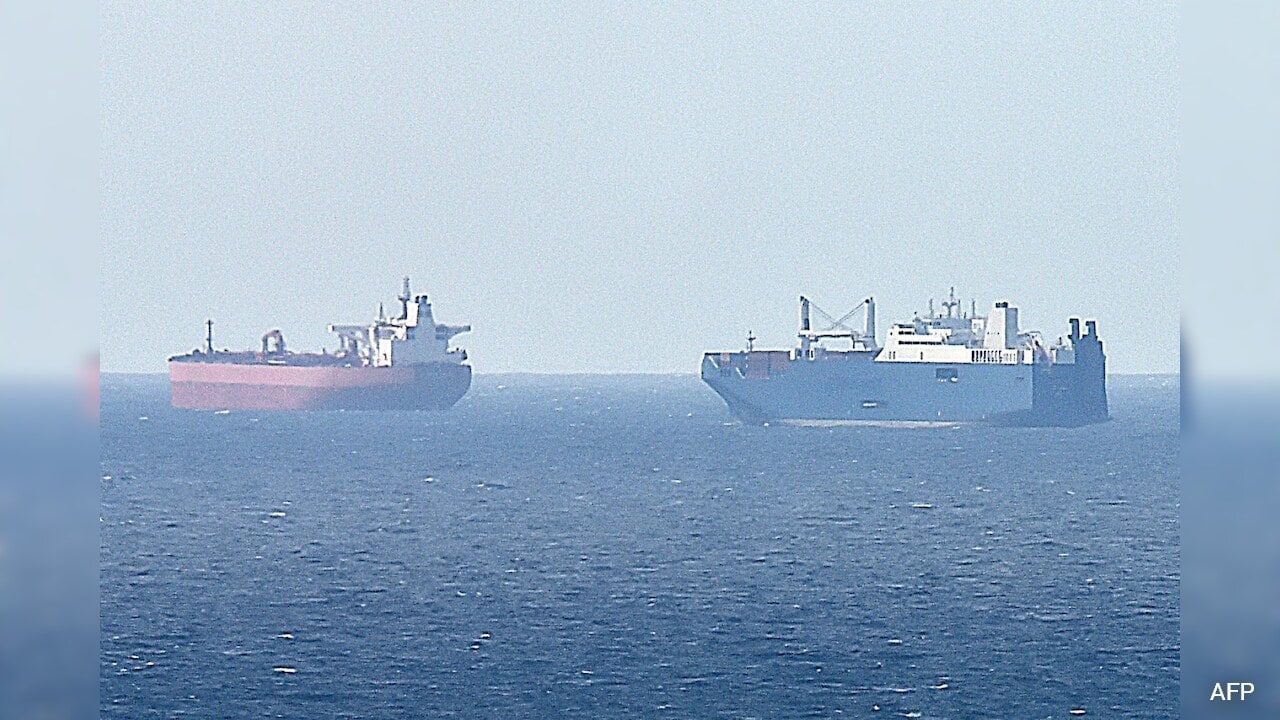
U.S. President Donald Trump announced the reinstatement of a blockade on the Strait of Hormuz, coupled with a 20% cargo fee for protected passage. The move sparked fierce opposition from Iran and sent oil prices soaring.
Key Takeaways
- Trump reinstates the Hormuz blockade.
- Proposes a 20% cargo fee, igniting legal and diplomatic disputes.
- Iran vows resistance, heightening regional tensions.
On July 14, 2026, the United States officially declared the re‑imposition of a naval blockade in the strategic Strait of Hormuz. The decision reverses the interim peace deal signed in April, which had lifted the blockade and pledged unrestricted, toll‑free passage for all vessels. President Donald Trump posted on social media, "We are reinstating the Iranian blockade. All other countries will have fair and open use of the Strait, but we will charge 20% of cargo value for safe passage."
New Cargo Fee Proposal and Its Legal Context
Trump’s statement outlined that the U.S. Navy would collect a charge equal to 20% of the total cargo value from shipping companies, citing the cost of providing security and safety. This fee not only raises the economic burden on global trade routes but also challenges the longstanding principle of freedom of navigation under international maritime law. The U.S. military confirmed that the blockade would resume at 4 p.m. EDT on the following Tuesday, targeting Iranian ports.
Iran’s Response and Escalating Regional Risks
Iran responded with a stern warning, asserting its right to manage traffic through the strait and to levy fees under the interim agreement. Foreign Minister Abbas Araghchi mocked Trump’s claim on X, stating, "Iran has always been the guardian of the Strait and will remain so forever. 20% is of course too much, but we will be fair." Tehran warned that any U.S. interference would be met with resistance, raising fears of a broader conflict.
International Maritime Organization’s Stance
The United Nations’ International Maritime Organization (IMO) has yet to endorse the proposal, emphasizing that there is “no legal basis” for mandatory tolls on international waterways. If the U.S. proceeds, it would place the policy at odds with existing global maritime conventions, potentially destabilizing the shipping industry and prompting legal challenges.
Market Impact and Future Outlook
Following the announcement, Brent crude surged 7.8%, reaching $81.92 per barrel—still below the war‑time peak of around $120 but indicative of renewed market volatility. Simultaneously, U.S. forces reported strikes on Iranian sites after a container ship attack, deploying drone‑ships for the first time and triggering missile alerts in Bahrain. Regional incidents—including attacks on Kuwait’s consulate in Iraq and Jordan’s interception of Iranian missiles—underscore the heightened risk of escalation. Analysts warn that sustained blockades and cargo fees could deepen economic disruption and provoke further military confrontations in the Gulf.