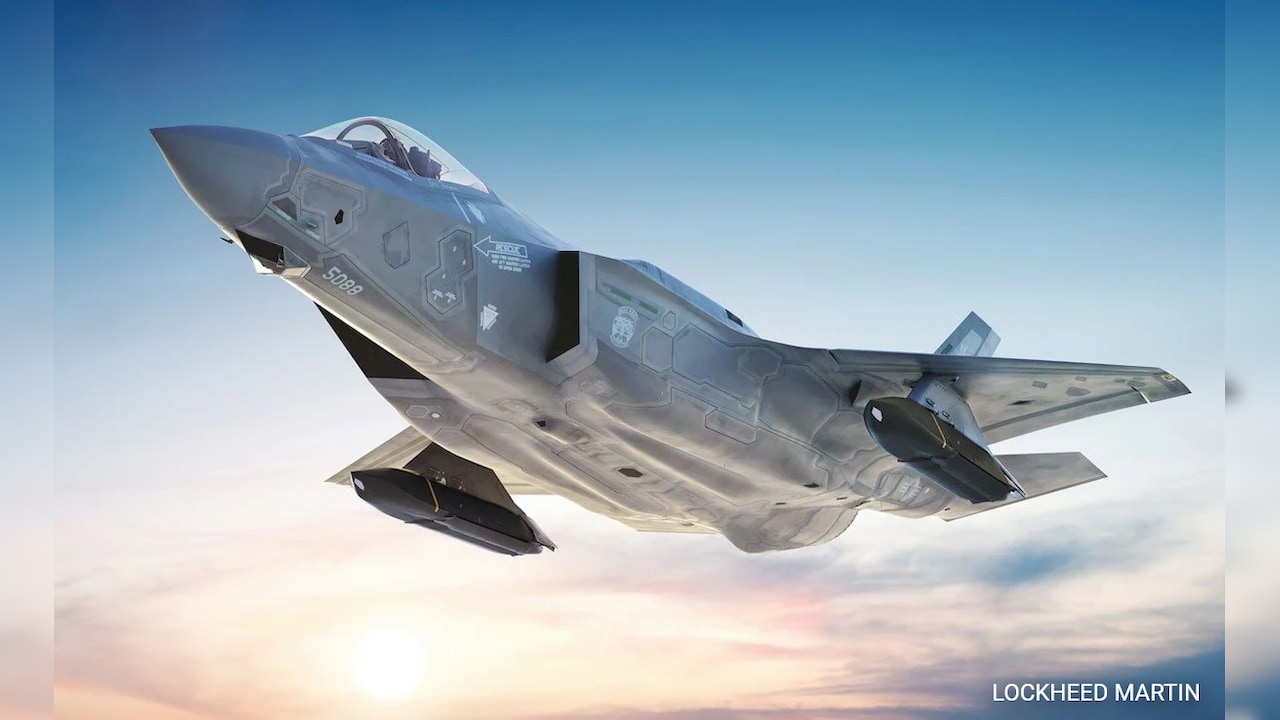
President Donald Trump has unexpectedly reversed policy to authorize the sale of U.S. F-35 fighter jets to Turkey. The move strengthens Turkey's ties with Pakistan and forces India to reassess its security and diplomatic posture in the region.
Key Takeaways
- U.S. approves sale of F-35 jets to Turkey
- Turkey remains Pakistan's top defence partner
- Implications for India's strategic balance
In a remarkable policy shift, the United States under President Donald Trump has cleared the way for Turkey to acquire the fifth‑generation F-35 fighter aircraft. The decision comes after a prolonged congressional stalemate, which had blocked the sale due to Turkey’s procurement of Russia’s S‑400 air‑defence system, a move that strained NATO ties.
Strategic Context
Turkey, though a NATO member, has increasingly leaned on Russian defense hardware, prompting friction with Washington and its European allies. Its close defence partnership with Pakistan positions it as a pivotal player in South Asian security dynamics, especially concerning the India‑Pakistan rivalry.
Potential Impact on India
The F-35 brings stealth, AI‑driven sensor fusion, and network‑centric warfare capabilities that could alter the aerial balance along India’s western frontier. Should Turkey integrate these jets into its fleet, it may field advanced air‑defence and strike options that challenge India’s existing platforms such as the Rafale, Tejas and Mirage‑2000.
Diplomatic and Economic Dimensions
Beyond the military angle, the sale deepens Turkey’s economic reliance on the U.S. defence industry, embedding it within a broader supply chain. India will need to recalibrate its strategic partnerships—particularly with Israel, France, and Russia—to mitigate any technology leakage and to secure counter‑balancing capabilities.
Looking Ahead
As Turkey works to integrate the F-35 into its air force, New Delhi is likely to accelerate its own modernisation programmes and boost inter‑service coordination. Monitoring the rollout, maintaining diplomatic dialogue with both Ankara and Washington, and contemplating reciprocal moves such as acquiring advanced air‑defence systems will dominate the policy agenda in the coming months.