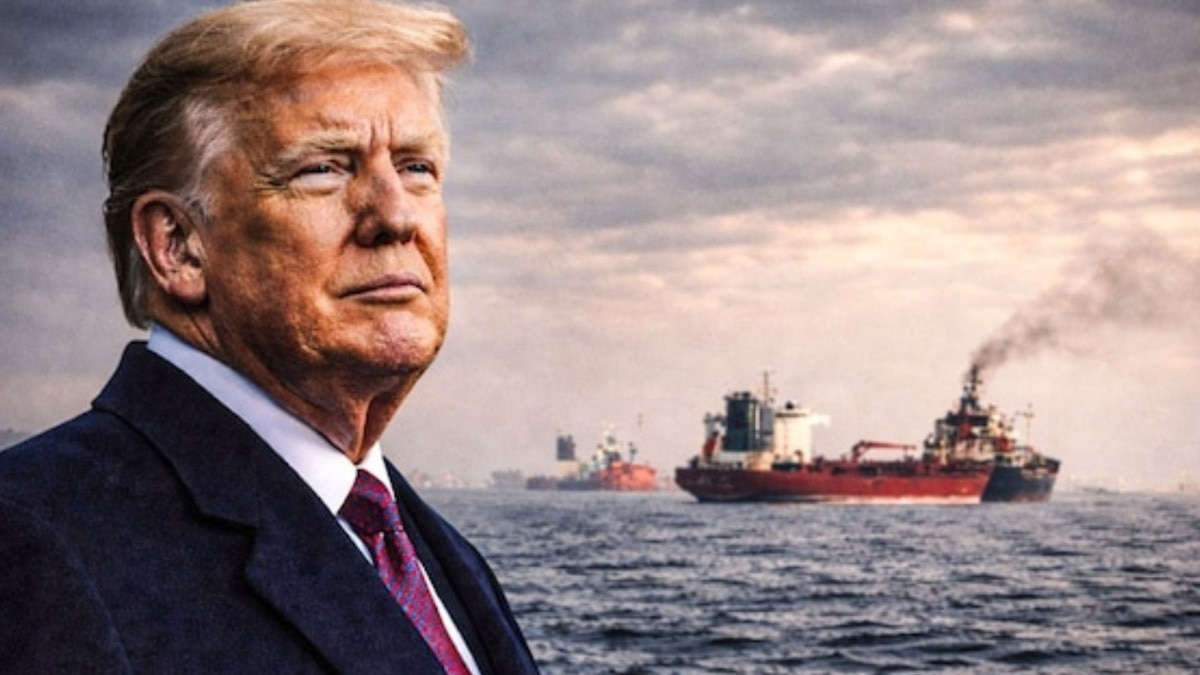
President Donald Trump announced that the United States will assume responsibility for protecting the Strait of Hormuz and demanded financial compensation for the task. The statement revives U.S.-Iran tensions and could impact global oil supplies.
Key Takeaways
- Trump declares the U.S. will take on security duties for the Strait of Hormuz.
- He demands payment for the security role, raising concerns over international trade risks.
- The remarks could further strain U.S.-Iran relations and destabilize global energy markets.
New Delhi, July 13, 2026 – In a series of remarks to Fox News, President Donald Trump reaffirmed his intention to act as the "guardian" of the Strait of Hormuz and insisted that the United States should be compensated for the security effort. He also delivered a scathing critique of Iran, accusing Tehran of violating a prior agreement.
Historical Context
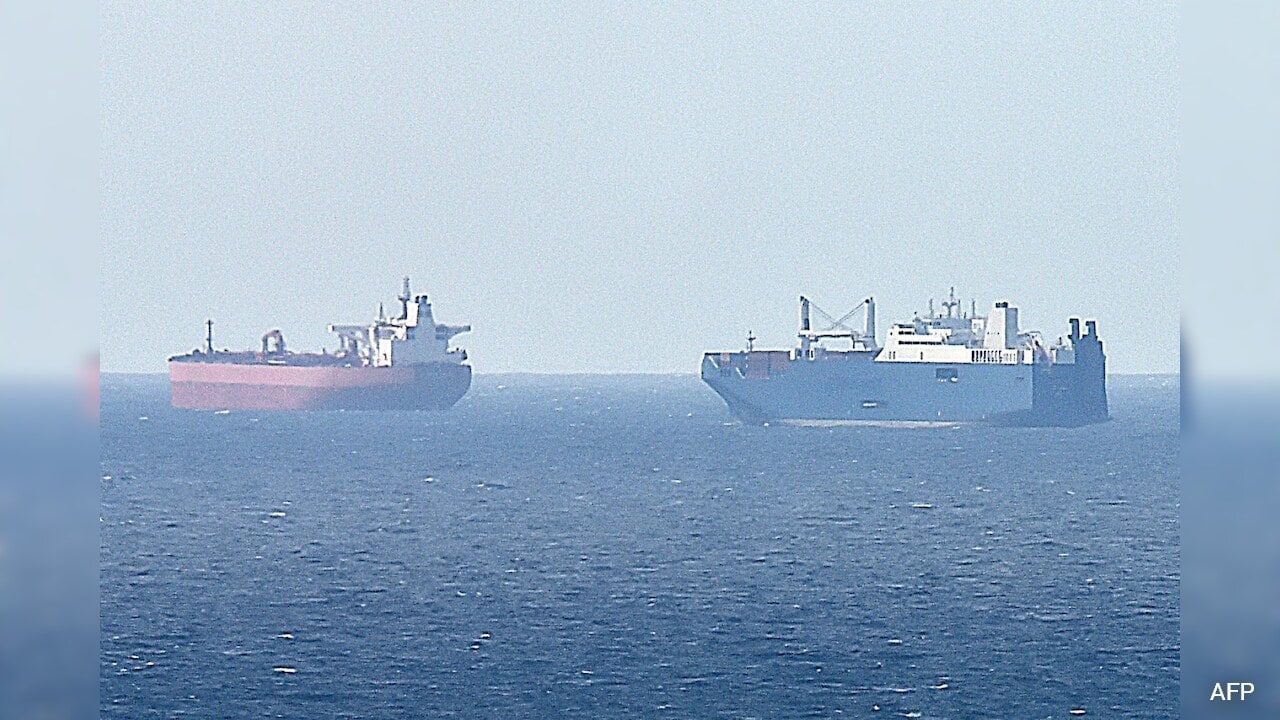
The Strait of Hormuz, a narrow waterway between Oman and Iran, channels roughly 20% of the world’s petroleum shipments. Since the 1979 Iranian Revolution, the strait has been a flashpoint for naval confrontations and sanctions. The 2015 Joint Comprehensive Plan of Action (JCPOA) limited U.S. naval presence, but after the U.S. withdrawal in 2018, tensions resurfaced, making the strait a strategic priority again.
Trump’s Statement
"If America secures the Strait of Hormuz, we deserve proper payment for that service," Trump told Fox News. He claimed a recent 11‑hour meeting with Iranian officials ended in a tentative agreement, only for Tehran to later request changes. According to Trump, Iran has repeatedly obstructed maritime security for the past 47 years, and the United States must now step in as the definitive guardian.
Geopolitical and Economic Significance
The Hormuz corridor is vital for global energy flow. Any disruption could trigger a spike in oil prices and increase shipping costs worldwide. Trump's demand for compensation has already rattled markets, prompting energy firms to reassess risk exposure and investors to watch for potential price volatility.
Potential Implications
Implementing Trump’s payment‑based security model would require congressional approval for additional funding, while Iran is likely to resist diplomatically. Without a new bilateral accord, the risk of a naval clash escalates, potentially igniting broader regional instability. The international community must intensify diplomatic outreach to prevent the strait from becoming a flashpoint for conflict.