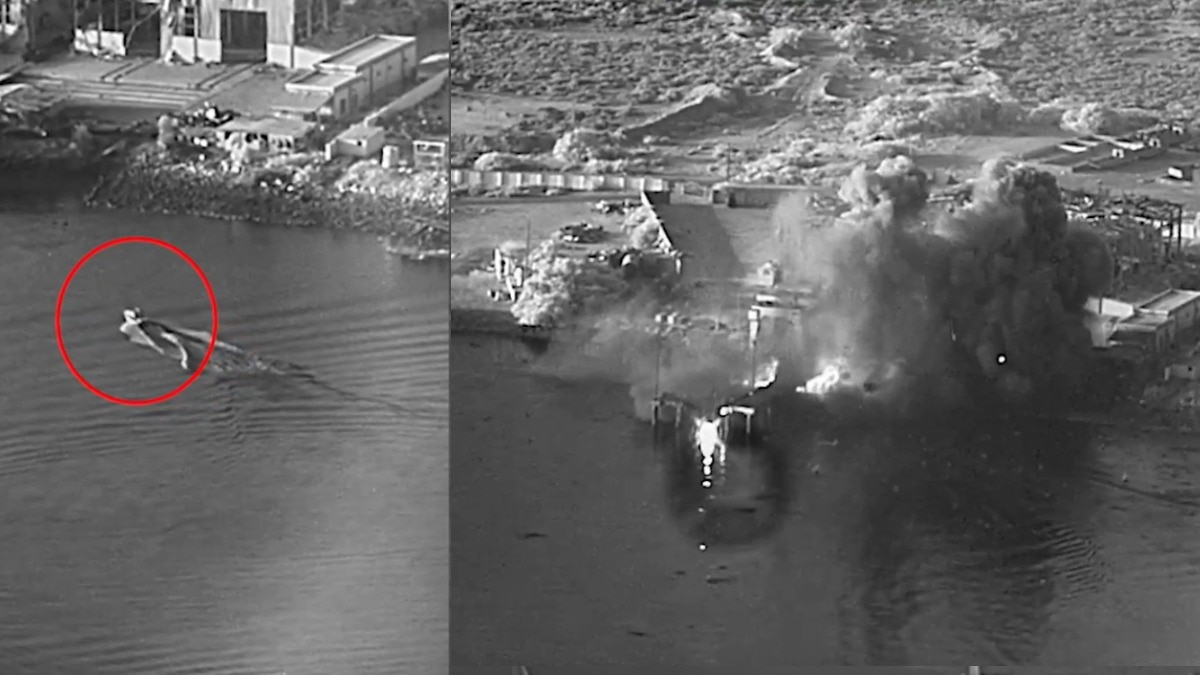
U.S. Central Command released a video showing American forces using sea drones to strike Iran’s submarine and ship‑maintenance facilities at Bandar Abbas. The unprecedented move escalates the already fragile US‑Iran relationship.
मुख्य बिंदु (Key Takeaways)
- First operational use of sea drones by the U.S. military
- Successful strike on Iran’s submarine and ship‑maintenance complex in Bandar Abbas
- Re‑closure of the Strait of Hormuz amplifies regional security risks
The United States and Iran have entered a fresh round of military confrontations, highlighted by a video posted by U.S. Central Command (CENTCOM) on X (formerly Twitter). The clip shows multiple one‑way attack surface drones, including three Corsair‑type unmanned surface vessels, targeting a submarine base and ship‑maintenance facility at the strategic Bandar Abbas Naval Base.
First‑Ever Sea Drone Deployment
This marks the inaugural use of sea drones—referred to as “Sea Drones”—in a combat operation by U.S. forces. The unmanned platforms provide a rapid, low‑risk alternative to traditional missile or aircraft strikes, and analysts suggest they could redefine naval warfare tactics in the coming decade.
Strategic Importance of the Target
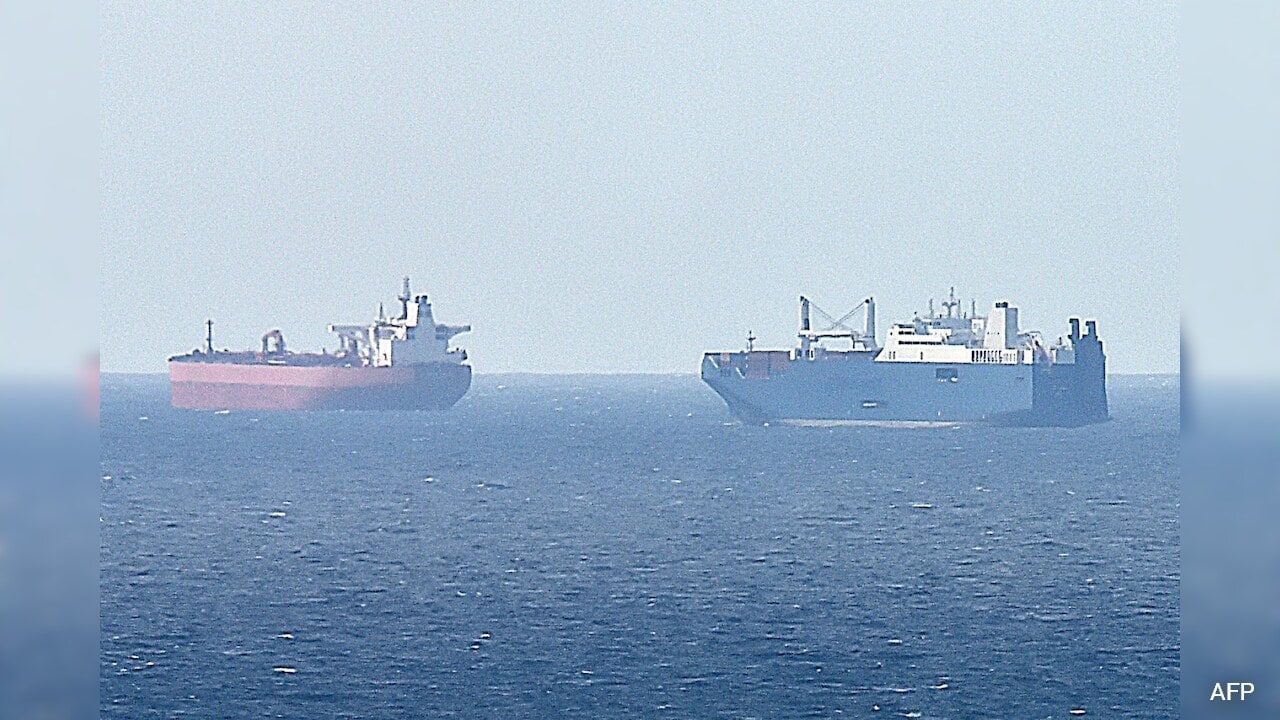
The Strait of Hormuz, a critical chokepoint for global oil shipments, has once again been sealed off by Tehran after the attack. While Washington maintains that the strait must remain open for commercial navigation, Iran’s closure underscores the heightened stakes. Bandar Abbas is a linchpin of Iran’s naval power; damaging its maintenance capabilities could curtail commercial shipping and military readiness across the Persian Gulf.
Diplomatic Fallout
The latest strike throws into doubt the interim agreement reached a month earlier, which aimed to reopen the strait and pave the way for a comprehensive peace deal after a 60‑day negotiation window. The renewed hostilities have rippled across the Gulf, with neighboring states like Qatar, Kuwait, and Oman bracing for possible retaliatory actions.
Looking Ahead
Military experts warn that continued reliance on unmanned and drone‑centric strategies could further destabilize the region, prompting a reassessment of existing maritime law and security alliances. As both sides escalate their technological arsenals, the international community faces pressing questions about the enforceability of maritime norms and the viability of future diplomatic overtures.