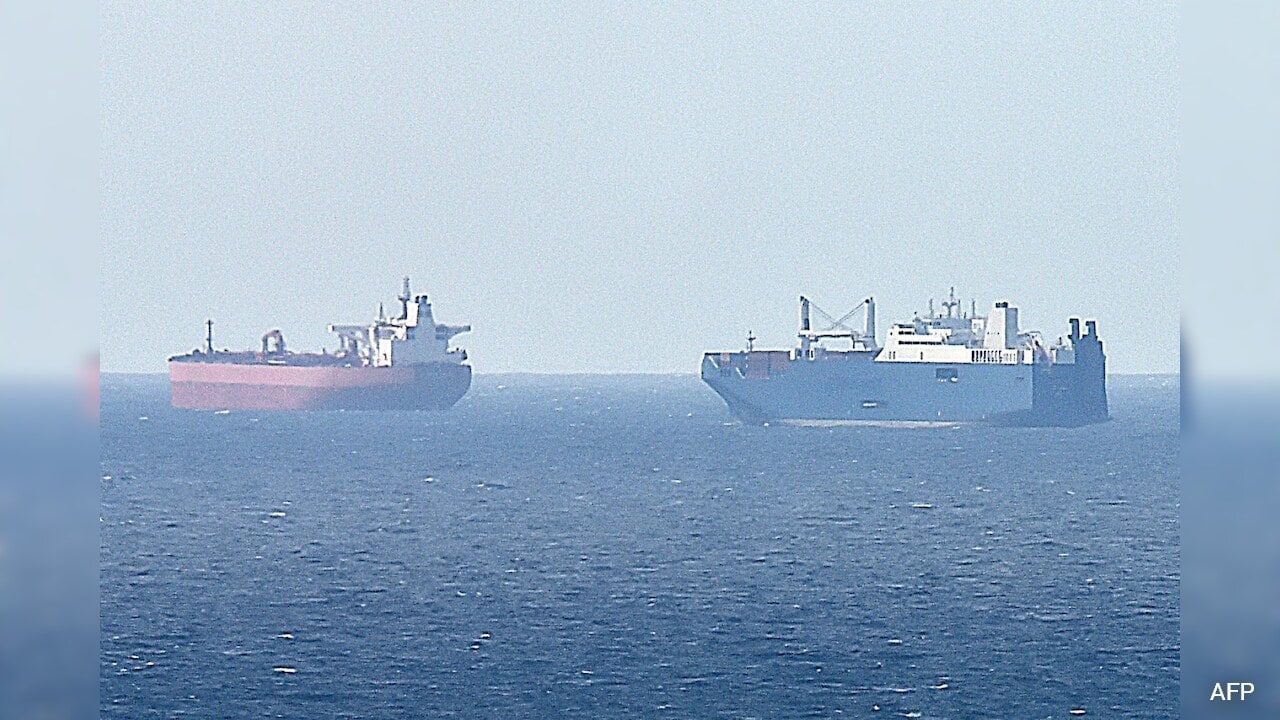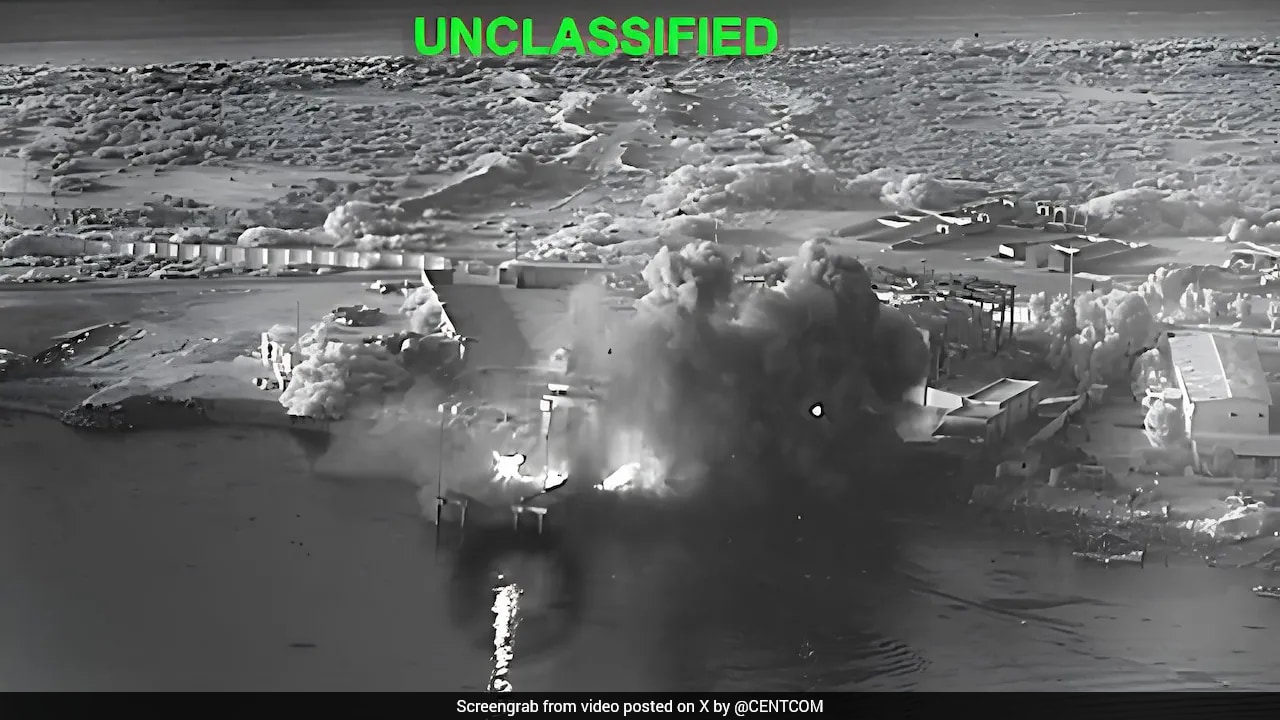
The United States used three Corsair unmanned surface vessels to hit the Iranian submarine centre at the strategic Bandar Abbas port, marking the first combat use of sea drones. The strike intensifies the ongoing tit‑for‑tat attacks between Tehran and Washington.
Key Takeaways
- US employs sea drones in combat for the first time
- Bandar Abbas holds critical strategic value
- New escalation layer in US‑Iran tensions
United States forces launched a coordinated strike on the Iranian submarine hub located at the bustling Bandar Abbas port using three Corsair unmanned surface vessels (USVs). This operation represents the inaugural combat deployment of sea‑borne drones by the US military, signalling a potential shift in maritime warfare doctrine.
Strategic Context of Bandar Abbas
Bandar Abbas, perched on the southern rim of the Persian Gulf, is Iran’s principal gateway for naval logistics and a pivotal base for its submarine fleet. The facility not only supports maintenance and deployment of Iran’s underwater assets but also serves as a linchpin in regional power projection. In recent months, the US and Iran have exchanged a series of retaliatory strikes targeting oil infrastructure and naval vessels, raising the stakes for both sides.
Sea‑Drone Technology Explained
The Corsair USVs are engineered for high speed, low radar signature, and autonomous navigation. Equipped with advanced sensors, precision weaponry, and AI‑driven decision‑making, these platforms can conduct strikes with minimal crew risk and at a fraction of the cost of traditional warships. Defense analysts predict a rapid proliferation of such unmanned maritime systems, which could reshape how navies operate in contested waters.
Implications and Emerging Risks
International observers have expressed alarm over the precedent set by this deployment. The use of autonomous vessels raises complex questions about compliance with the law of armed conflict and maritime conventions, while also delivering a stark warning to Tehran about US technological reach. Should the tit‑for‑tat cycle continue, the integration of sea drones could further complicate escalation dynamics and increase the probability of inadvertent clashes.
Analytical Outlook
This milestone underscores the accelerating role of autonomy in modern combat and forces policymakers to reconsider risk‑mitigation frameworks. In the volatile US‑Iran relationship, the introduction of sea drones adds a new layer of strategic calculus that may dictate future diplomatic and military calculations.