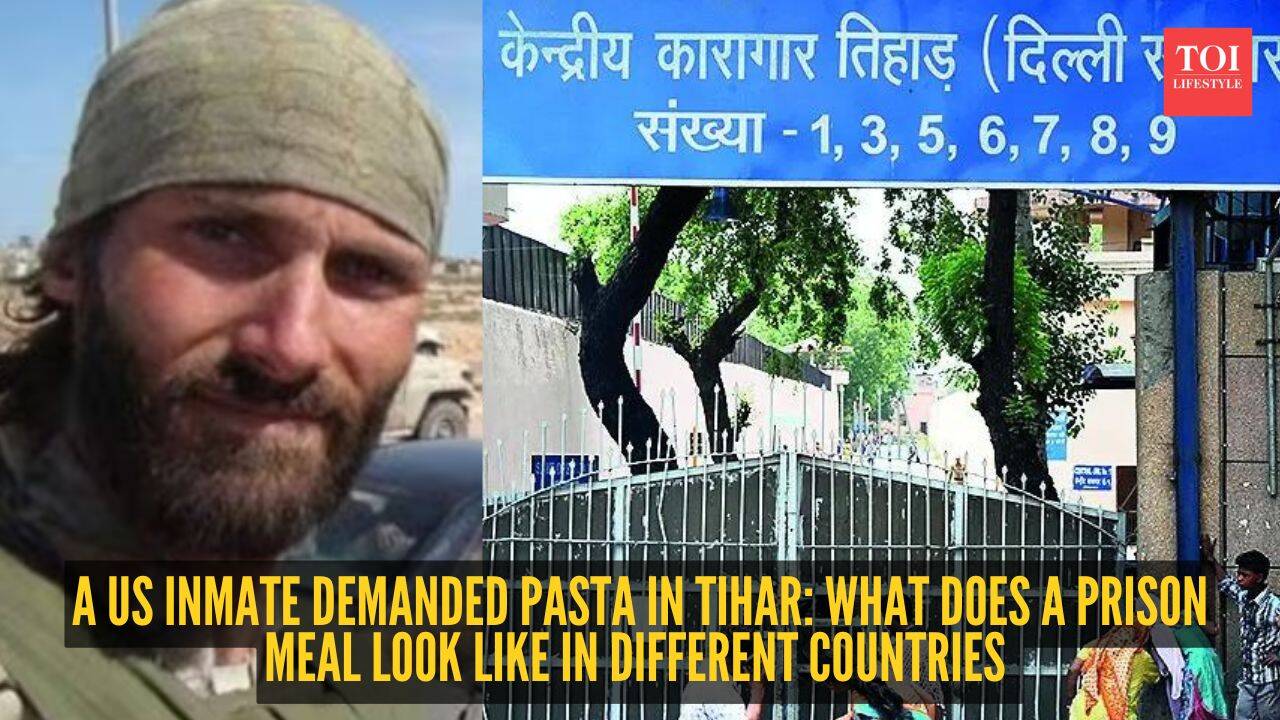
American citizen Matthew VanDyke, after more than 50 days of hunger strike, petitioned a Delhi court for permission to cook his own meals in Tihar Jail, arguing that the standard fare jeopardizes his health.
Key Takeaways
- Matthew VanDyke has been on a 50‑day hunger strike and now seeks a personal kitchen in prison
- His family is prepared to fund food, utensils and cooking equipment
- The court will hear Tihar authorities' response on July 21
In a petition before Additional Sessions Judge Prashant Sharma at Patiala House Court, American citizen Matthew Aaron VanDyke requested permission to set up a kitchen inside Tihar Jail. VanDyke claims that the jail’s “spicy, oily, deep‑fried and greasy” meals are intolerable for him, prompting a hunger strike that began on May 6, 2026.
Specific Requests
VanDyke’s application lists a wide array of food items—lentils, red meat, chicken, fish, shrimp, pasta, uncooked noodles, rice, potatoes, onions, beans, spices, bread, butter, olive oil, toned milk, soy milk, and bottled water. He also seeks an induction cooker, pots, bowls, and a plastic chopper, all to be provided at his own expense. His family has pledged to cover the cost of food, utensils, and equipment.
Current Tihar Meal Schedule
Tihar Jail follows a four‑times‑daily schedule: around 7 am breakfast (bread and tea, biscuits, or poori‑sabzi/kichdi), 11 am lunch (four rotis, dal and a seasonal vegetable), an evening snack (tea and biscuits) between 3‑3:30 pm, and dinner (four rotis, dal and a seasonal vegetable) between 6‑6:30 pm, with rice as an optional substitute. The menu is designed for uniformity and cost‑control, not individual dietary preferences.
Health Impact
According to the petition, VanDyke has lost roughly 14 kg (30 lb) and suffers from vision problems, severe weakness, diminished stamina, and lowered immunity—all attributed to inadequate nutrition. His legal team frames the request as a humanitarian necessity to preserve his health while in judicial custody.
Legal and Humanitarian Implications
If the court grants the request, it could set a precedent for allowing personal cooking arrangements in high‑security facilities. Questions would arise about security protocols for private cooking equipment, who bears the financial burden, and how to balance uniform prison discipline with individual health rights.
Background of the Case
VanDyke was arrested by the National Investigation Agency (NIA) at Kolkata airport on March 13, 2026, alongside six Ukrainian nationals, on suspicion of involvement in a terrorist conspiracy against India. The NIA alleges links with banned insurgent groups, weapons supply, and training activities. The hunger‑strike petition has drawn attention because it sits at the intersection of prison administration, inmate welfare, and international human rights norms.