Escalating hostilities between the United States and Iran have sent crude oil markets into turmoil. Brent and WTI futures have jumped over 5% to around $80 and $75 a barrel, reigniting fears of a global inflation spike.
Key Takeaways
- US‑Iran conflict pushes crude prices up 5%
- Hormuz Strait closure heightens supply risk
- Crude may approach $120 per barrel
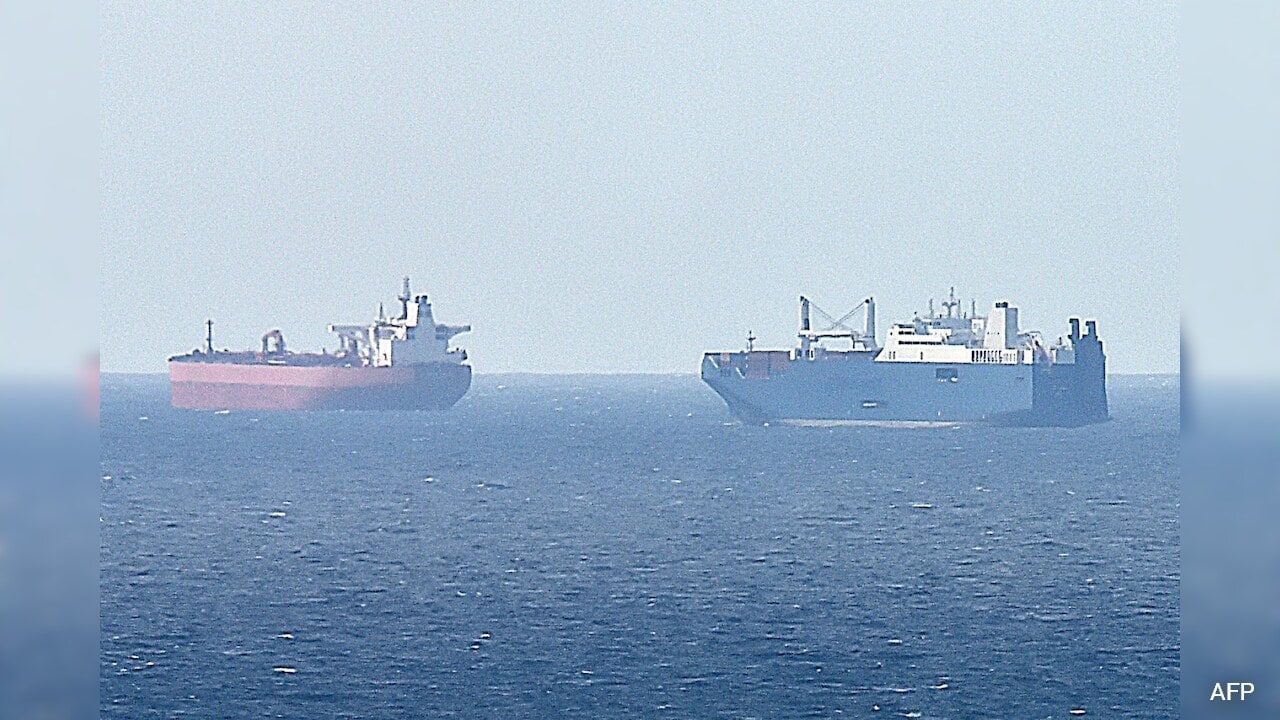
The renewed war between the United States and Iran has pushed Middle‑East tensions to a boiling point. Both sides have launched intensive air strikes, and Iran’s decision to shut the Hormuz Strait—through which roughly 20% of the world’s crude flows—has severely constrained supply. As a result, Brent crude surged by more than 5% to just under $80 a barrel, while U.S. WTI rose over 4% to around $75.
Historical Precedents
When the Strait was briefly closed in early 2023, crude prices spiked to $120, sending shockwaves through emerging markets. Petrol‑diesel prices jumped 50‑60 paise per litre, and LPG shortages followed. The current scenario mirrors those dynamics, underscoring how a single chokepoint can destabilise the entire global energy market.
Inflationary Ripple Effects
Every $1 rise in crude typically translates into a 0.5‑0.6 ₹ increase per litre in Indian petrol‑diesel prices, according to market analysts. While fuel pricing also depends on taxes and exchange rates, crude remains the dominant cost driver. A sustained price surge could push consumer‑price indices higher across oil‑importing economies, reigniting inflation fears that many central banks are still battling.
India’s Strategic Response
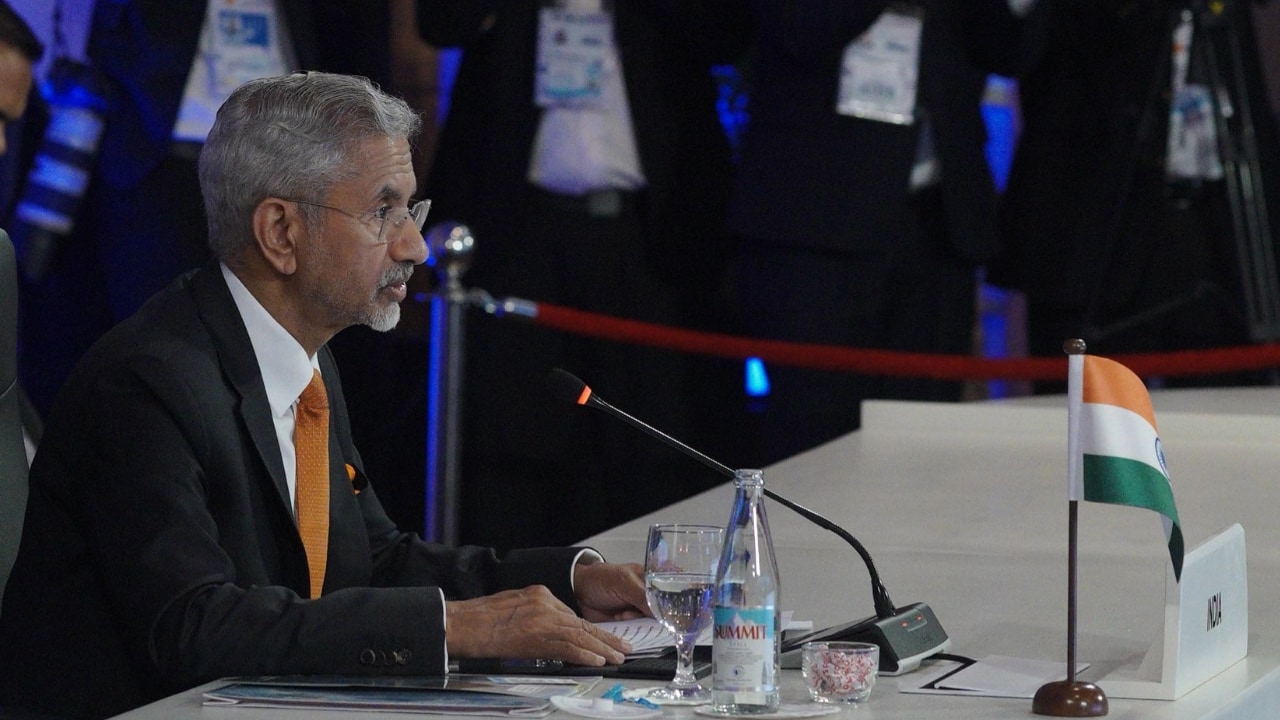
Indian refiners are already bolstering inventories, and the government has signalled a push toward alternative energy and a larger strategic petroleum reserve (SPR). However, a prolonged Hormuz shutdown would raise shipping costs and keep supply chains volatile, compelling India to secure longer‑term contracts and diversify its import sources.
Future Outlook
If the conflict deepens and Hormuz remains blocked, crude could once again test the $120‑per‑barrel barrier. Such a scenario would lift risk premiums across global financial markets, trigger equity volatility, and place additional strain on economies already grappling with high inflation.