The United States has carried out fresh air strikes against Iran, reigniting combat near the Strait of Hormuz. The attacks undermine the interim Washington‑Tehran agreement that was meant to halt a war that began in late February and sent shockwaves through the global economy.
Key Takeaways
- US conducts fresh air strikes on Iranian targets, raising regional tension.
- Shipping through the Strait of Hormuz faces heightened risk, potentially spiking global oil prices.
- The Washington‑Tehran interim accord’s durability is now in serious doubt.
The United States launched a series of precision air strikes on multiple Iranian strategic sites, intensifying hostilities near the crucial Strait of Hormuz. Washington described the operation as a pre‑emptive move against Iran’s anti‑air defenses and maritime infrastructure, while Tehran condemned it as an act of aggression.
Fragile Interim Accord
In late February, the two adversaries signed an interim agreement designed to halt direct military actions and ease some economic sanctions. Since then, mutual accusations of violations have eroded trust. The latest US strikes appear to breach the spirit of that pact, narrowing the diplomatic window for a negotiated settlement.
Strategic Significance of the Strait
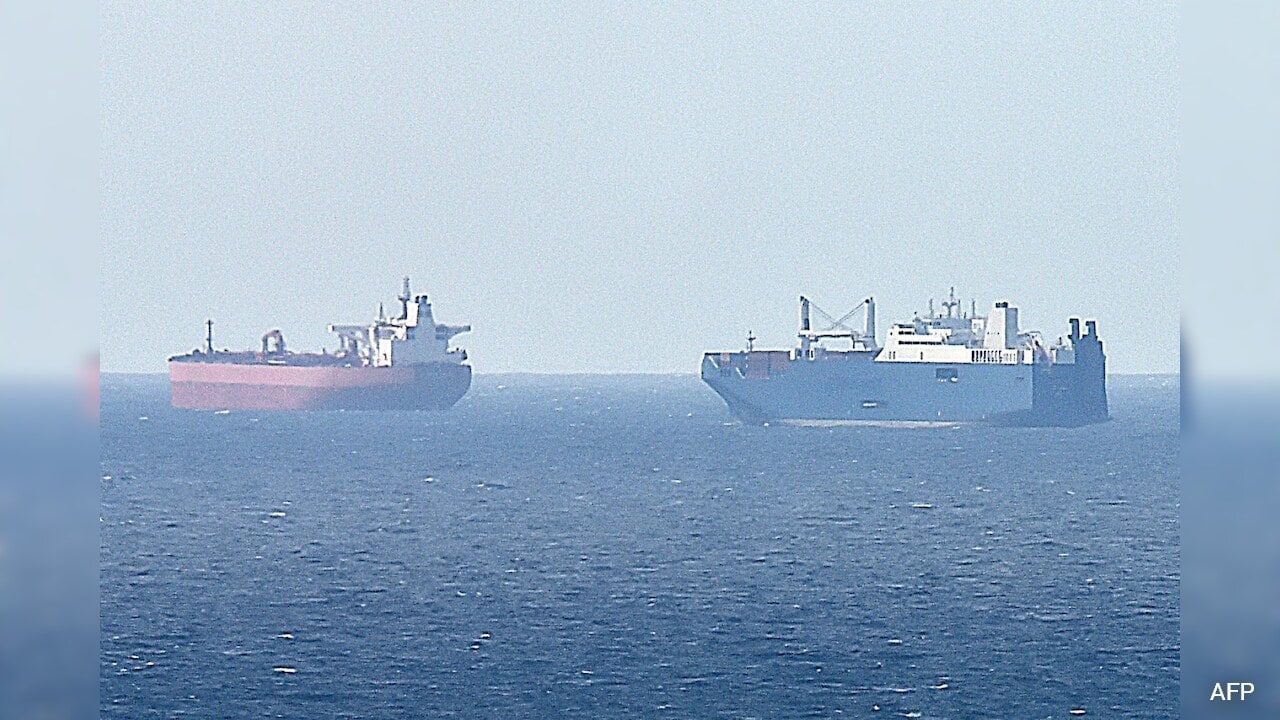
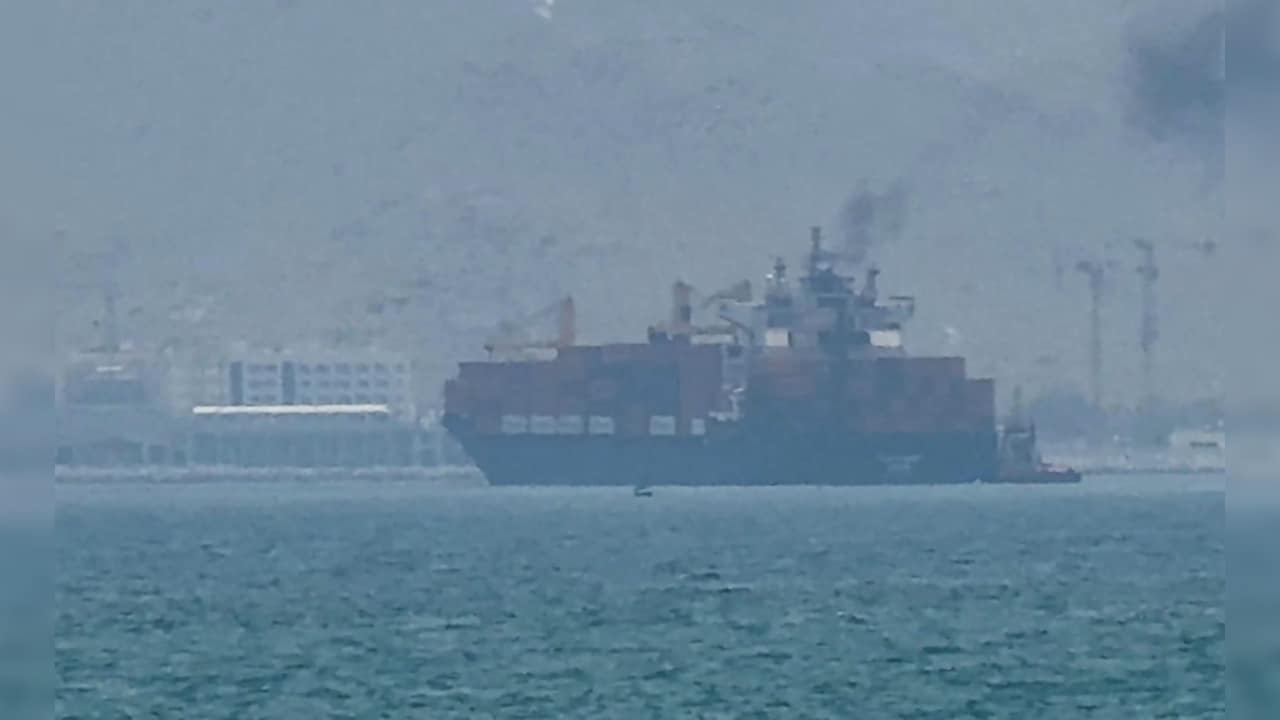
The Strait of Hormuz channels roughly one‑fifth of the world’s oil shipments daily. Any disruption can trigger abrupt spikes in crude prices, reverberating through global markets and especially affecting emerging economies. Shipping firms have already heightened security protocols, and several oil exporters are scouting alternative routes to mitigate risk.
Possible Futures and Diplomatic Pathways
Analysts outline two divergent trajectories: an escalation into a broader regional conflict, or a rapid diplomatic de‑escalation mediated by the European Union and United Nations. Both pathways hinge on the willingness of Washington and Tehran to prioritize strategic stability over short‑term tactical gains.
Analytical Outlook
If US military pressure persists, Iran may retaliate with missile launches, potentially widening the security crisis across the Middle East. Conversely, a return to negotiations could reinforce the interim framework, stabilising oil markets and averting a costly war. The international community’s engagement will be decisive in steering the outcome.