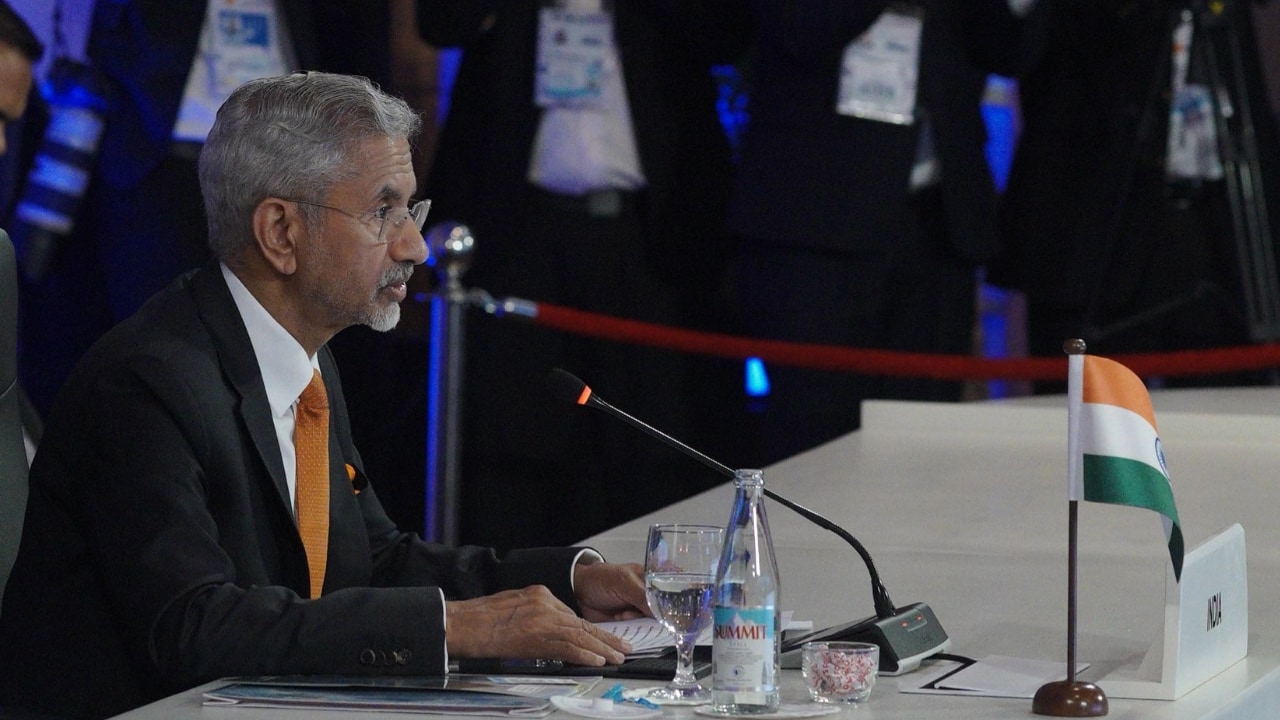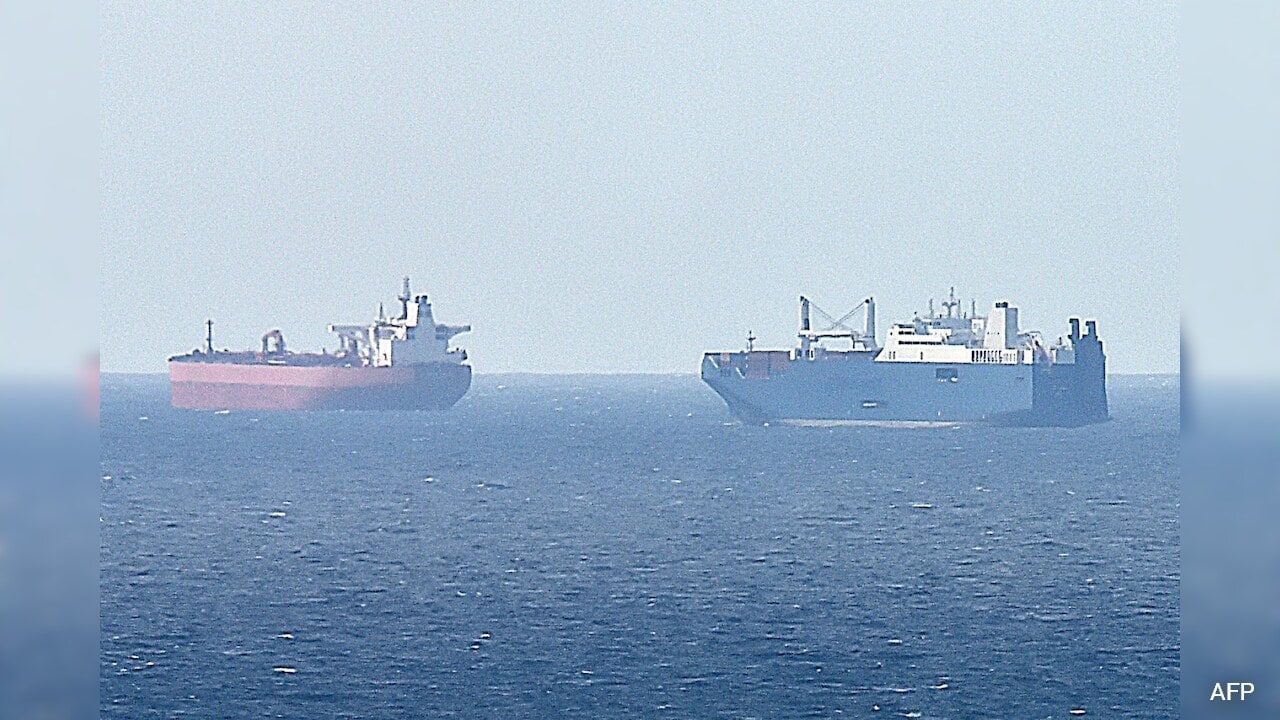
At President Trump’s directive, the United States carried out its third straight night of air raids on Iran, while Tehran claims to have targeted US vessels and bases in Kuwait and the Hormuz Strait. The renewed maritime blockade raises the specter of a wider Gulf conflict and could disrupt global oil flows.
Key Takeaways
- US conducts third consecutive night of airstrikes against Iran
- Iran alleges targeting of US ships, Kuwaiti bases, and commercial traffic in the Strait of Hormuz
- US Central Command reinstates maritime blockade on Iranian ports, heightening regional risk
The United States and Iran are now locked in their third consecutive night of direct military action. According to U.S. Central Command (CENTCOM), at 4:45 p.m. Eastern Time on July 14, U.S. air forces launched precision strikes on multiple Iranian military sites, following President Donald Trump’s orders. The stated objectives were to degrade Iran’s air‑defense capabilities and to diminish its capacity to threaten commercial vessels transiting the strategically vital Strait of Hormuz.
Strategic Context of the Strait
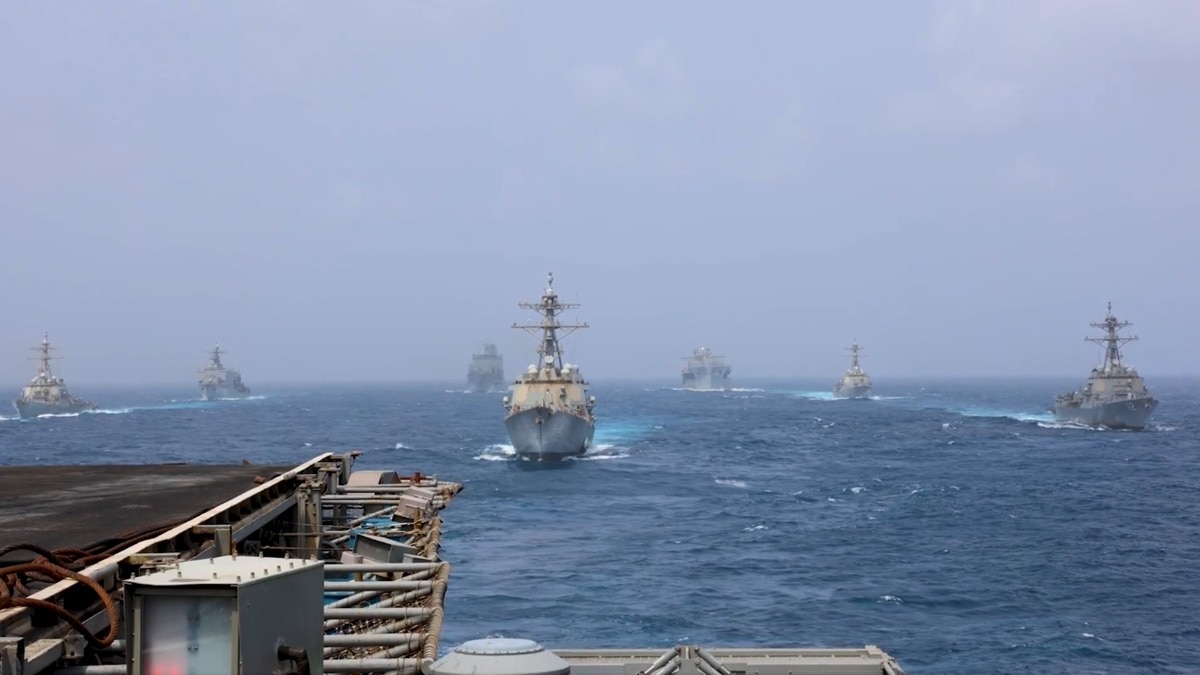
Hormuz is a chokepoint through which roughly 20 % of the world’s oil passes. Any disruption there reverberates across global energy markets and trade routes. In recent months, diplomatic overtures have collapsed, and Tehran has repeatedly labeled U.S. naval presence as “illegal.” In response, Washington has deployed more than twenty warships to patrol the Gulf, underscoring the strategic stakes.
Iran’s Counter‑Claims
Iranian state media reported audible explosions in Bandar Abbas and on Kish Island, confirming multiple detonations. Tehran’s armed forces claim they have fired cruise missiles at a U.S. warship and launched drone attacks on American installations in Kuwait. According to Tasnim News, several vessels violating Hormuz navigation rules were also targeted, suggesting a broader Iranian retaliatory posture.
Re‑implementation of the Maritime Blockade
CENTCOM announced that, beginning at 4 p.m. (U.S. time) on July 14, a renewed maritime blockade would be enforced on all traffic entering or leaving Iranian ports. The measure, ordered by President Trump, authorizes U.S. forces to monitor, interdict, and, if necessary, detain vessels that attempt to breach the embargo. During the previous blockade (April 13‑June 18), more than 140 ships were rerouted, nine were disabled, and humanitarian aid vessels were granted limited passage.
Regional and Global Ramifications
Adding to the volatility, Yemen’s Houthi rebels claimed a ballistic‑missile strike on Saudi Arabia’s Abha airport, warning commercial airlines to avoid Saudi airspace. The compounded threats have already nudged crude oil prices upward, signaling broader market anxiety. Analysts warn that if naval clashes expand, they could cripple critical shipping lanes, amplifying economic fallout far beyond the Middle East.