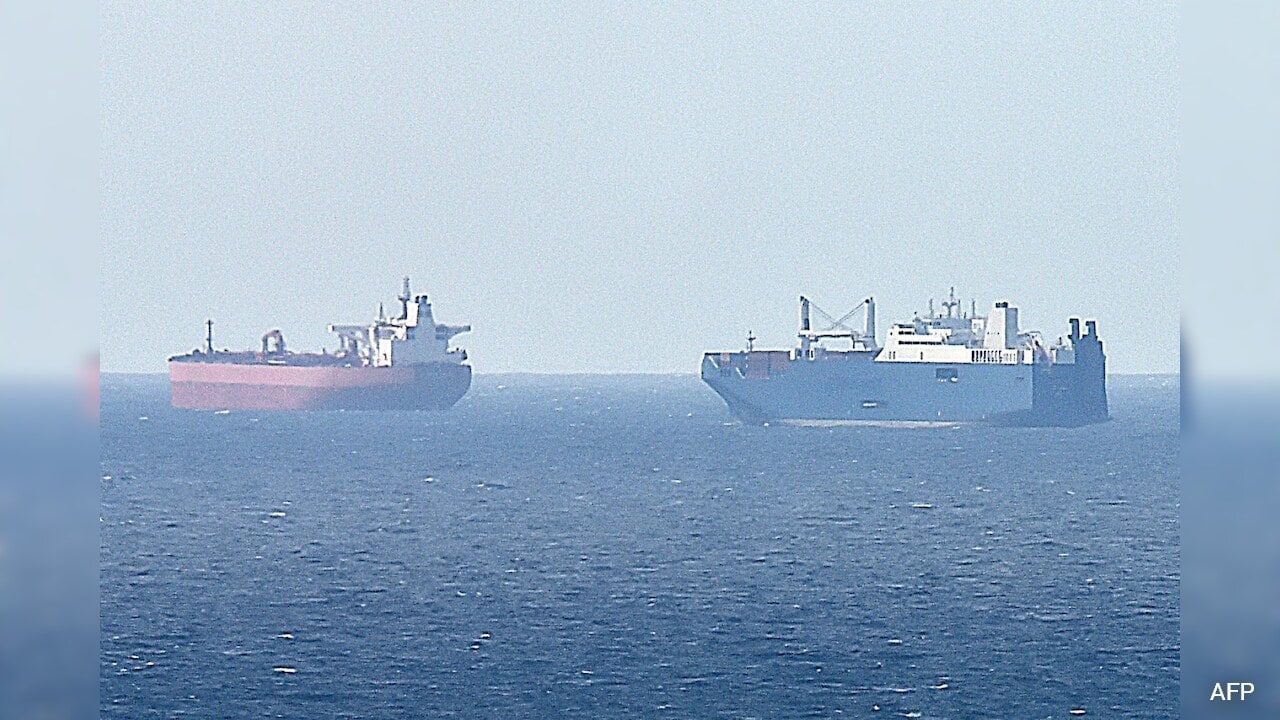
The United States will reinstate a maritime blockade on Iranian ports and coastal waters starting July 14, targeting all ships regardless of flag. Commercial vessels are urged to heed official navigation notices while the Strait of Hormuz remains a flashpoint of heightened tension.
Key Takeaways
- US re‑imposes naval blockade on Iranian ports as of July 14
- All vessels suspected of unauthorized entry face interception and possible capture
- Neutral transit through the Strait of Hormuz to non‑Iranian destinations remains unaffected
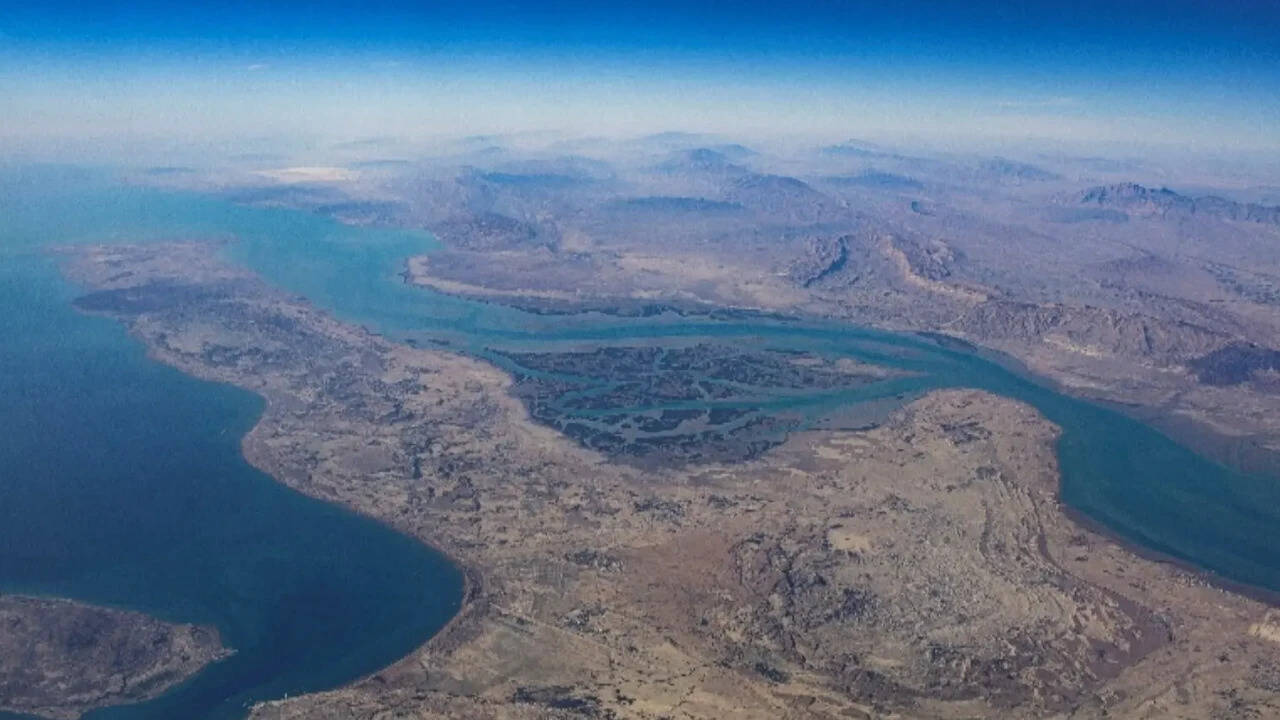
The U.S. Joint Maritime Information Center (JMIC), led by the Navy, announced that a comprehensive blockade will take effect at 2000 GMT (4 p.m. ET) on July 14, covering Iran’s ports, oil terminals, and coastal zones. This move follows a series of escalatory incidents around the Strait of Hormuz, a chokepoint through which roughly 20 % of global oil and gas shipments pass.
Strategic Context
Because the Strait of Hormuz is vital to worldwide energy supplies, any disruption reverberates across global markets. The initial blockade, imposed from April 13 to June 18, redirected more than 140 compliant vessels, disabled nine non‑compliant ships, and allowed over 50 humanitarian cargoes to transit unhindered.
Presidential Directive and Operational Details
U.S. Central Command (Centcom) confirmed that, under President Donald Trump’s orders, American forces will enforce the blockade against any vessel transiting to or from Iranian ports. However, the JMIC clarified that neutral traffic passing through the strait to non‑Iranian destinations will not be subject to the restriction, preserving a degree of commercial freedom.
Impact on Commercial Shipping and International Reaction
Commercial mariners are advised to monitor official navigation notices and maintain contact with U.S. naval assets while operating in the Gulf of Oman and approaching the strait. Iran’s foreign minister, Abbas Araghchi, dismissed Trump’s proposal to levy a 20 % cargo fee as excessive, while the International Maritime Organization reiterated that no legal basis exists for mandatory tolls on an international waterway.
Implications for Regional Stability
The renewed blockade is framed by Washington as a protective measure against Iranian attacks on commercial vessels. Yet, the escalation risks further destabilizing an already volatile region, potentially driving up oil prices and prompting new diplomatic alignments. The long‑term efficacy of the blockade will hinge on whether the broader international community can co‑ordinate a consistent approach to securing maritime traffic without inflaming geopolitical tensions.