Tensions rise between Iran and the United States over the strategic Strait of Hormuz. After a container ship attack, the US launched major air strikes on Iranian targets, while Tehran insists it alone governs the strait. Commercial traffic through the waterway is increasingly moving out of the public eye.
Key Takeaways
- The Strait of Hormuz is a vital conduit for roughly 20% of global oil supplies.
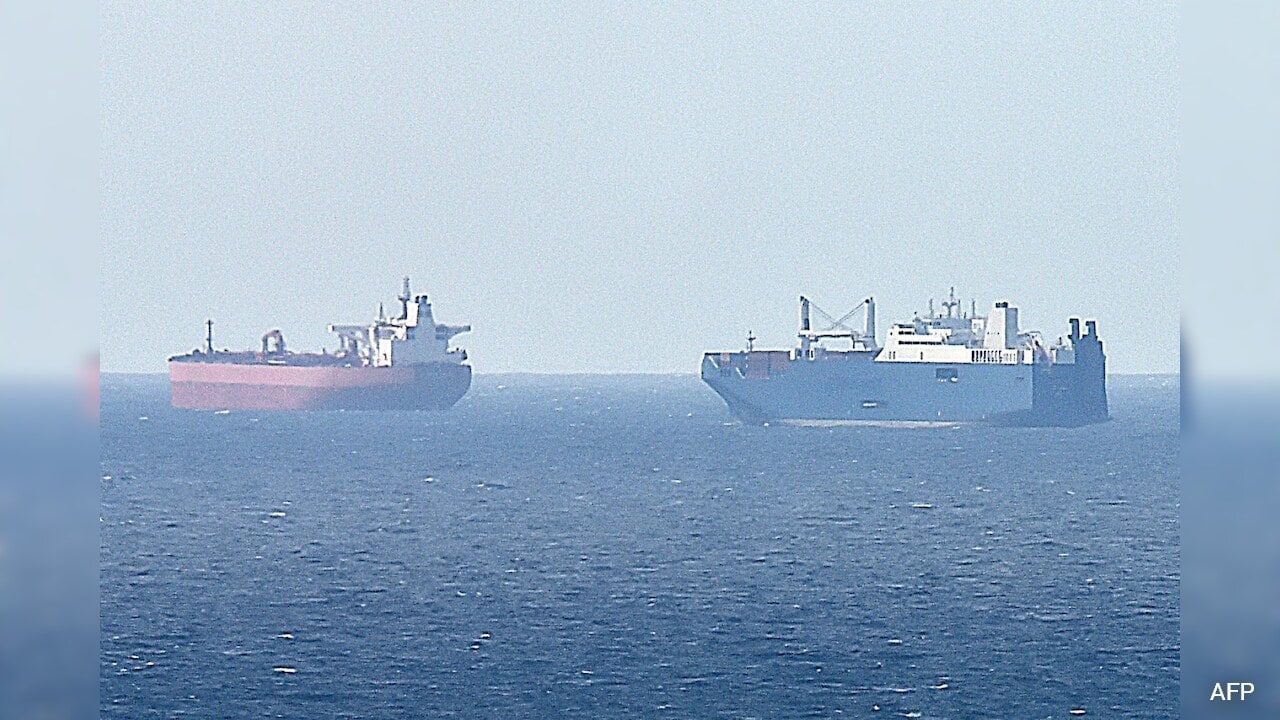
- U.S. forces carried out extensive air strikes on Iranian sites after a container vessel was hit.
- Iran claims sole authority over the strait, and commercial shipping is becoming less visible.
The Strait of Hormuz ranks among the world’s busiest maritime chokepoints, channeling a significant share of Middle‑East oil to global markets. Control over this narrow passage translates into both energy security and considerable economic leverage.
Background and Recent Developments
U.S.–Iran tensions have flared repeatedly over the past two decades, from the 2019 tanker seizures to the 2020 drone attacks on Iranian facilities. The latest escalation followed an assault on a container ship, prompting the United States to unleash a coordinated air campaign against Iranian military installations, directly challenging Tehran’s asserted jurisdiction.
Iran’s Sole‑Authority Claim and Payment Questions
Tehran has unequivocally stated that only Iran possesses the legal right to regulate traffic through the Strait of Hormuz, and it seeks no remuneration from the international community for exercising that authority. Conversely, U.S. officials have turned to private maritime security firms to safeguard commercial vessels, raising questions about who ultimately funds these protective measures.
Shifting Commercial Shipping Landscape
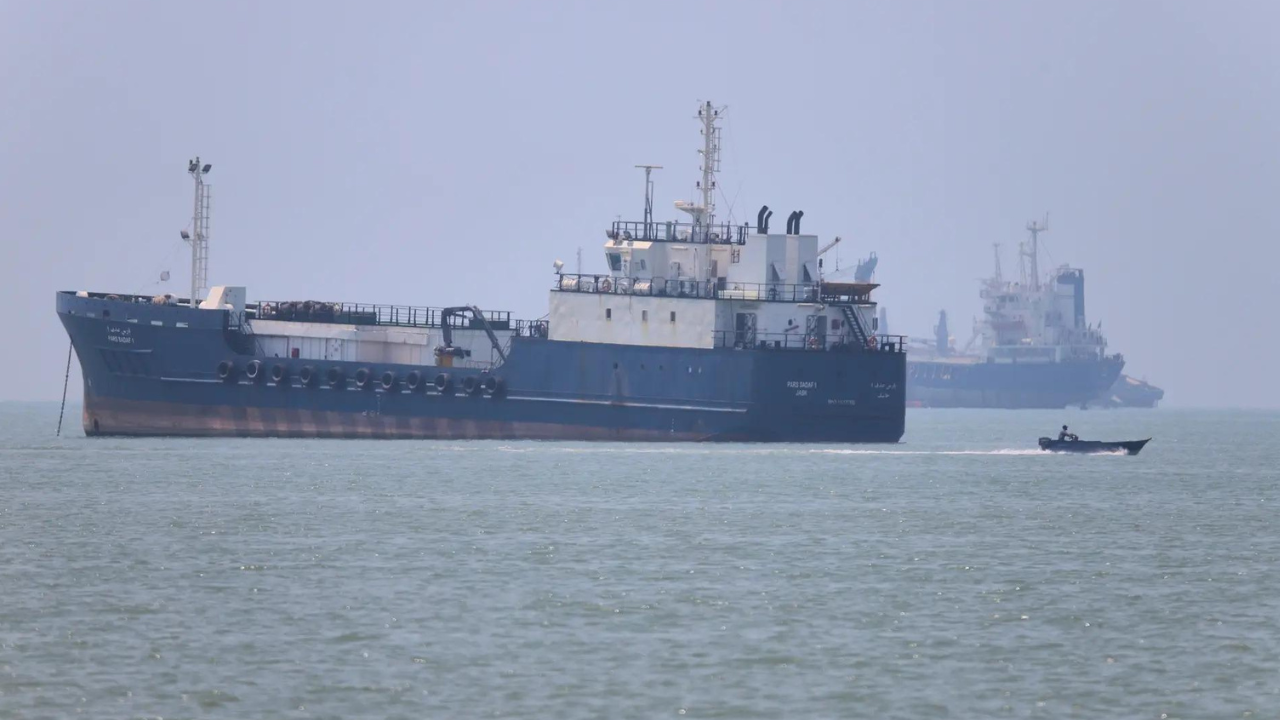
Visible commercial transits through Hormuz have dwindled as many shipping lines reroute vessels to mitigate risk, favoring longer but safer alternatives. This shift not only reshapes logistics networks but also influences oil pricing dynamics and broader supply‑chain stability.
Future Outlook
Should the confrontation persist, volatility could spill over into regional and global energy markets, driving up costs and unsettling trade flows. Analysts argue that a diplomatic resolution—rather than continued brinkmanship—is essential to preserve maritime peace and ensure uninterrupted commerce.