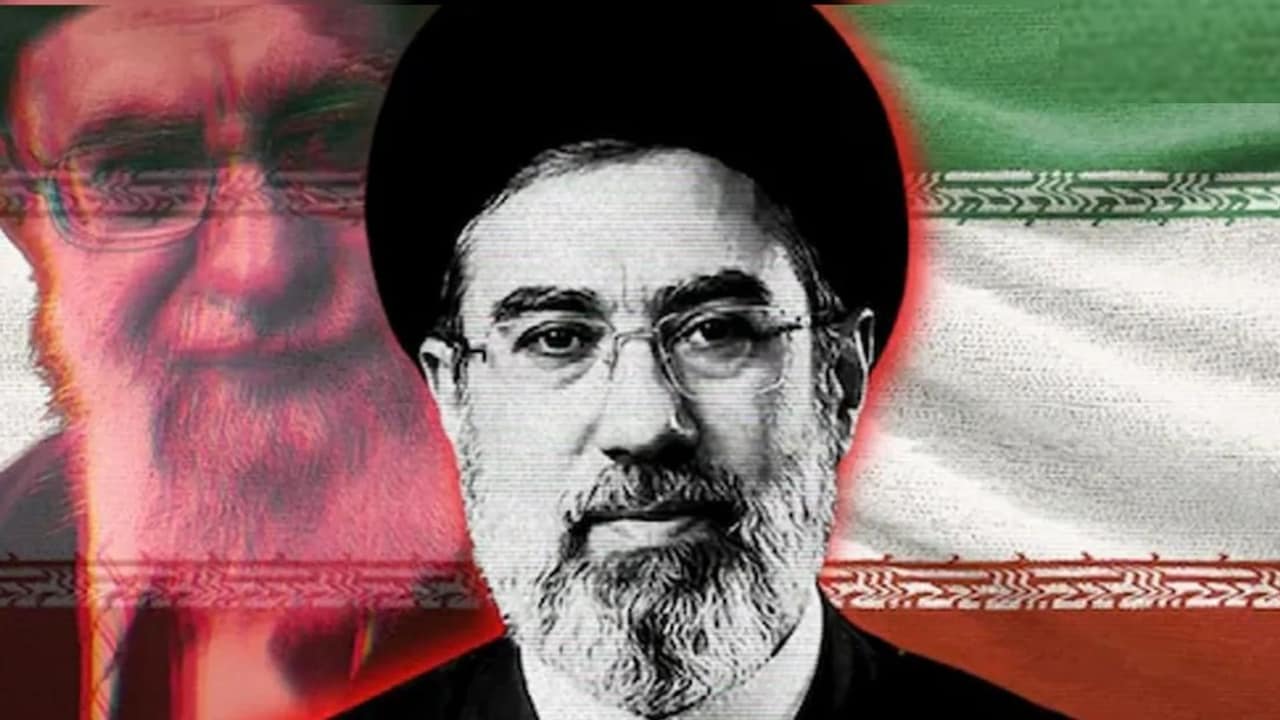
Following the sudden demise of Iran's Supreme Leader Ali Khamenei, speculation mounts over his successor. The conspicuous absence of his influential 56-year-old son, Mojtaba Khamenei, from the funeral prayers has raised critical questions about the regime's internal power struggle.
Key Takeaways
- Mojtaba Khamenei, 56, was notably absent from his father Ali Khamenei's funeral prayers.
- The prayers were led by his three brothers, fueling rumors of a domestic succession rift.
- The geopolitical landscape of Iran faces unprecedented instability amid leadership transition.
The sudden death of Iran's Supreme Leader Ayatollah Ali Khamenei, who held absolute power for nearly 37 years, has plunged the Islamic Republic into a profound state of geopolitical uncertainty. As the nation mourns and braces for an inevitable transition, all eyes have turned to his influential 56-year-old son, Mojtaba Khamenei. Long considered the shadow operator of Iran's deep state and a prime candidate to succeed his father, Mojtaba's recent public disappearance has sparked intense global speculation.
The Conspicuous Funeral Absence
During the state funeral prayers held last week, Mojtaba was conspicuously absent. Instead, the solemn rituals were publicly led by his three brothers. For an elite cleric whose path to the supreme leadership seemed carefully orchestrated, this public absence at such a critical juncture is highly unusual. Experts suggest that his avoidance of the spotlight could either indicate an intense, behind-the-scenes power struggle within the Assembly of Experts or a calculated tactical retreat to secure his position away from potential threats.
The Succession Dilemma and Dynastic Optics
The question of succession in Iran is fraught with constitutional and theological complexities. While the supreme leader is theoretically chosen by the Assembly of Experts, Mojtaba's potential ascension has long faced domestic resistance due to accusations of hereditary dynastic rule—a concept the 1979 Islamic Revolution explicitly sought to overthrow. His absence from the funeral prayers might be a deliberate attempt to downplay dynastic optics, allowing other clerical factions to take center stage temporarily.
Geopolitical Implications for the Middle East
Iran now stands at a historical crossroads. The demise of Ali Khamenei occurs amidst unprecedented regional tensions and military escalation. Any perceived instability or factional infighting within Tehran's ruling elite could weaken the regime's grip on power and alter its posturing toward Western adversaries and regional proxies. Whether Mojtaba Khamenei is preparing to step into the light or is being sidelined by rival factions remains the defining question for the future of the Middle East.