Ukrainian President Volodymyr Zelensky arrived in Paris demanding rapid European support for an anti‑ballistic missile shield, while Russia warned of harsher retaliation following recent Ukrainian long‑range strikes. The talks could reshape winter security and the broader trajectory of the Russia‑Ukraine war.
Key Takeaways
- Zelensky seeks immediate European assistance for an anti‑ballistic missile defense system.
- Russia warns of a stronger, “several‑times more powerful” response to Ukraine's recent long‑range attacks.
- The Coalition of the Willing, comprising over 30 nations, will place missile defence high on the European security agenda.
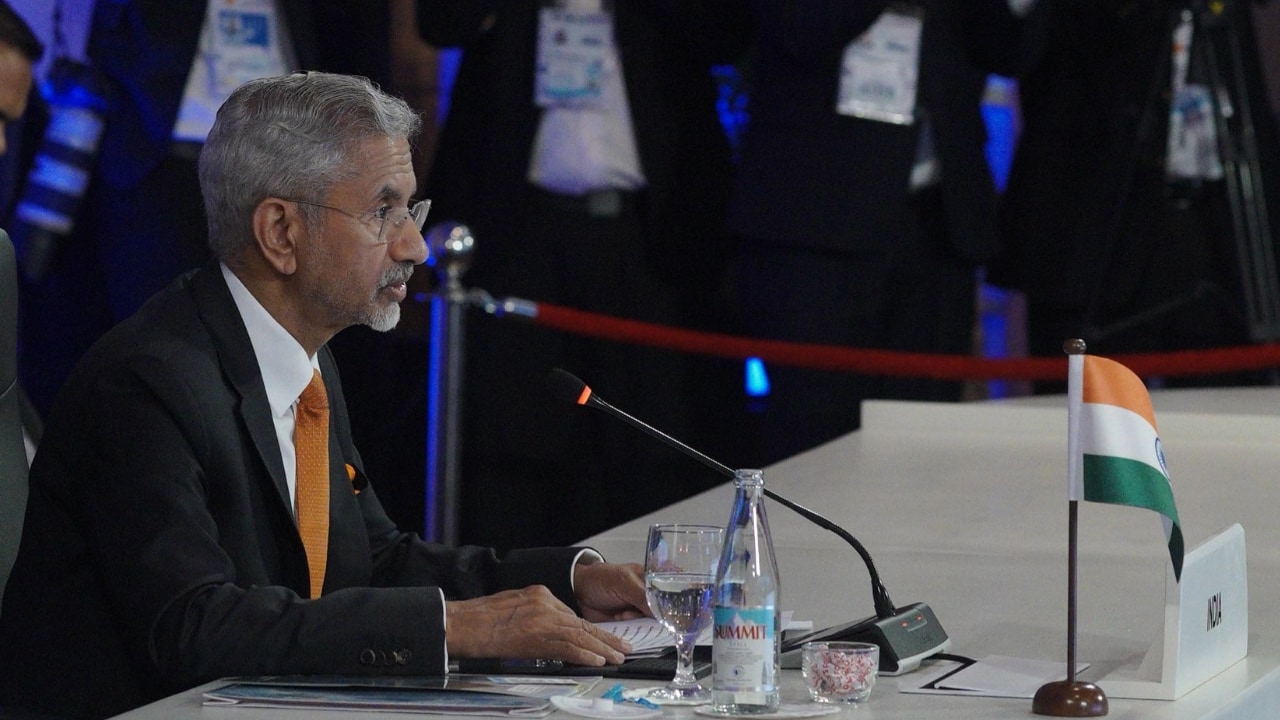
Ukrainian President Volodymyr Zelensky touched down in Paris on Monday, pressing European leaders for a fast‑track anti‑ballistic defence (ABM) programme. His priority is to shore up Ukraine’s shield before winter, a season when Russian forces traditionally intensify missile strikes aimed at crippling electricity, heating and water supplies.
Strategic Context
Russia, meanwhile, has claimed to have intercepted hundreds of Ukrainian drones targeting Moscow and warned that any further incursions will be met with “several times more powerful” strikes. The Paris meeting convened the so‑called “Coalition of the Willing,” a diplomatic grouping of more than 30 countries, including France, Germany, Italy and Poland, to discuss a coordinated ABM effort. Officials said they would review a proposed Anti‑Ballistic Program and explore partnerships with defence firms, national security advisers and heads of state.
Russian Reaction and Diplomatic Tension
Kremlin spokesman Dmitry Peskov dismissed the gathering as “a coalition of warmongers” driven by the delusion of delivering a strategic defeat to Russia. President Vladimir Putin reiterated that Moscow would answer recent Ukrainian strikes on refineries, tankers and terminals with a response “several times more powerful.” His remarks underscore the escalating risk of a broader European‑Russian confrontation.
Technology and Arms Supply
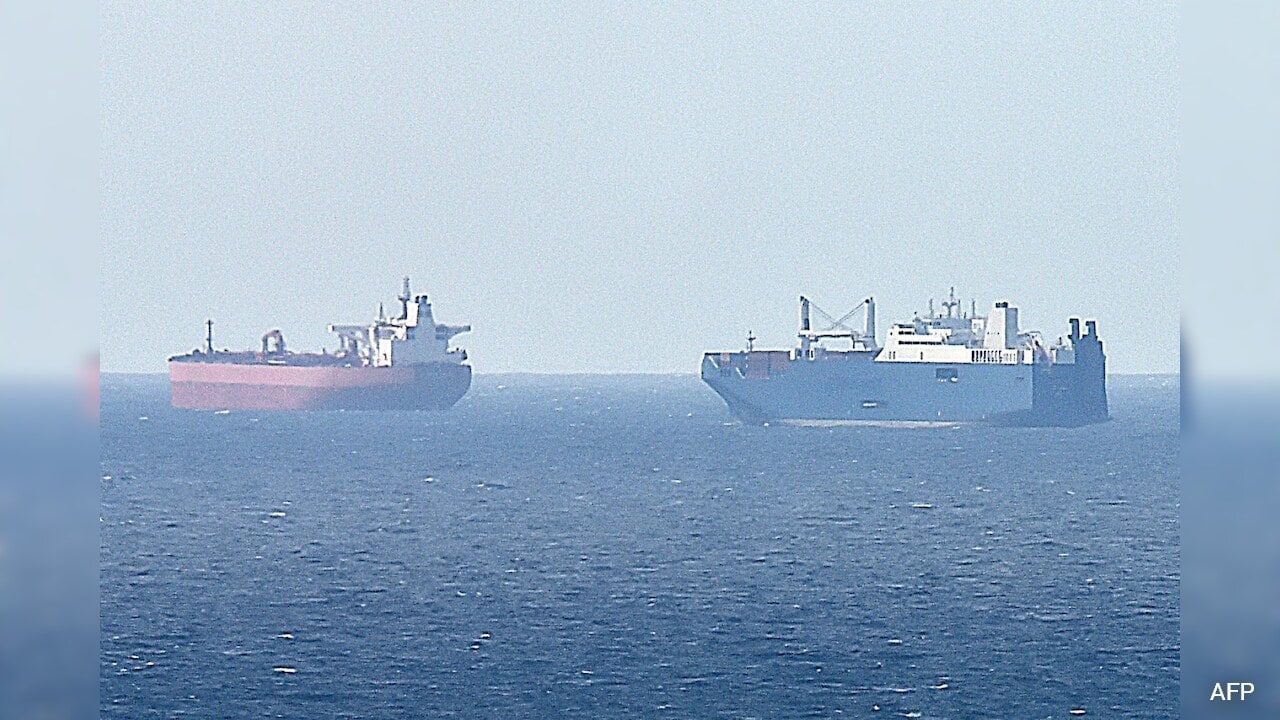
Last week, U.S. President Donald Trump pledged a licence for Ukraine to produce Patriot air‑defence systems, a move that could eventually feed into a European ABM architecture. Experts caution, however, that turning licences into operational systems will take years. Ukraine’s own drone capabilities have surged; commander Robert Brovdi of the Unmanned Systems Forces reported 105 Russian vessels struck in the Sea of Azov between July 6‑13, tightening the logistical squeeze on the annexed Crimea peninsula.
Looking Ahead
Zelensky’s Paris outreach represents a bid to lock in a European missile shield before the harsh winter, while Russia’s hard‑line rhetoric signals a willingness to intensify retaliation. If the European Union can accelerate a joint ABM solution, Kyiv could protect critical civilian infrastructure and potentially force Moscow back to the negotiating table. Yet the outcome remains contingent on diplomatic resolve, supply‑chain timelines and the willingness of European capitals to absorb the political and financial costs of a new defence layer.