The US‑Israel joint war has already destabilised the Gulf, and now Iran is looking to choke the Red Sea to amplify pressure on Washington. Such a move could disrupt global energy shipments and trade routes dramatically.
Key Takeaways
- Iran is expanding its maritime pressure from Hormuz to the Red Sea.
- The conflict, originally focused on the Gulf, is now threatening global trade routes.
- Potential disruptions could drive up oil prices and force rerouting of commercial shipping.
In late February, the United States and Israel launched a coordinated military campaign aimed at curbing Iran’s nuclear ambitions and regional influence. The operation immediately rattled the Gulf, a corridor that carries roughly one‑fifth of the world’s oil. Now Tehran appears ready to add a second choke point – the Red Sea – to its repertoire, a maneuver analysts describe as a “trump card” against Washington.
From Hormuz to the Red Sea: Strategic Expansion
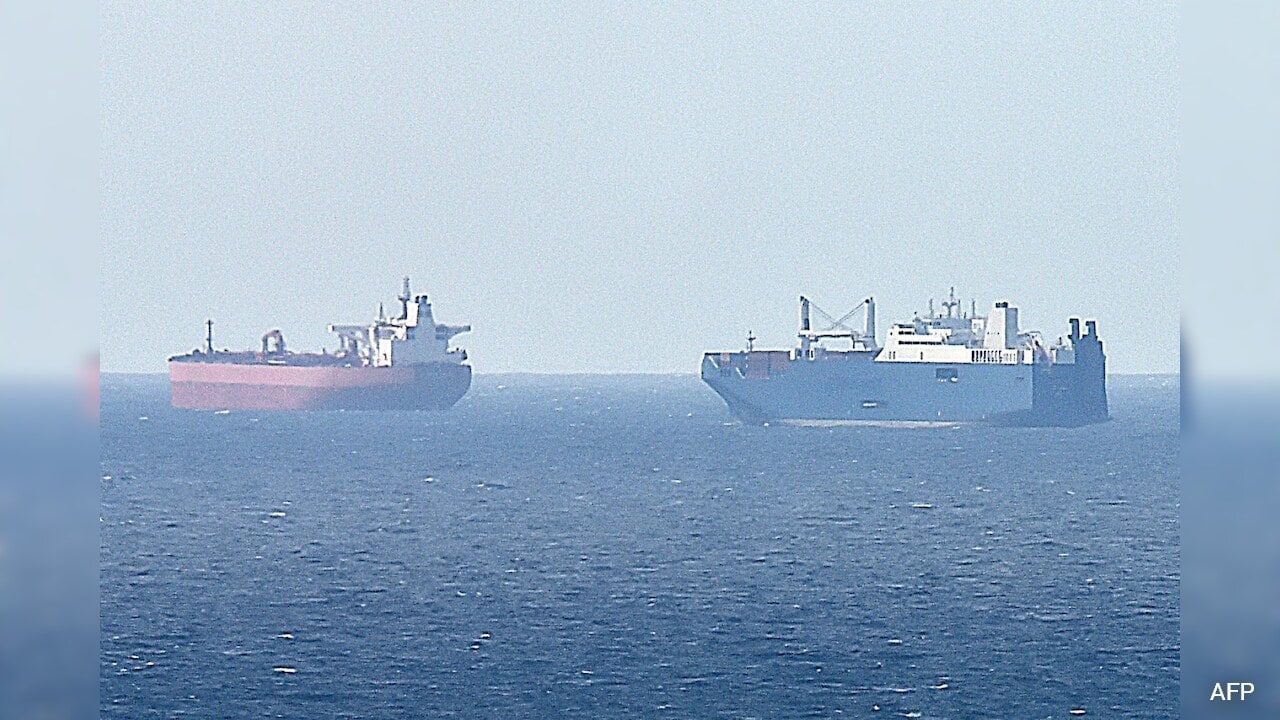
The Strait of Hormuz links the Persian Gulf with the Arabian Sea and is the lifeline of global oil markets. Iran has repeatedly demonstrated its ability to threaten this strait through naval drills and missile deployments. Parallel to this, the Iran‑backed Houthi rebels in Yemen have intensified attacks on commercial vessels traversing the Red Sea, targeting ships that support Israel and its allies. By coordinating Houthi actions with its own naval assets, Tehran is turning the Red Sea into a second arena of pressure, aiming to force the United States to confront a two‑front maritime challenge.
Implications for Global Trade and Energy
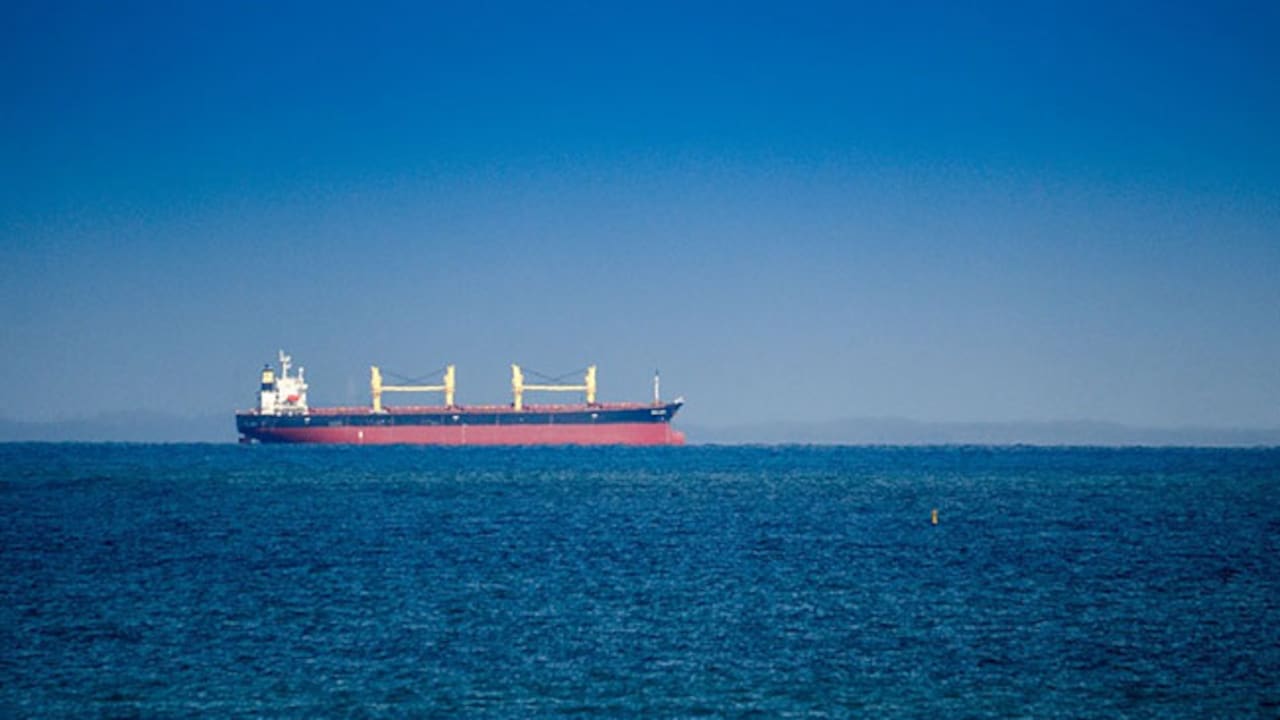
The Red Sea, together with the Suez Canal, forms one of the quickest sea lanes between Asia and Europe. A blockade here would ripple through oil, gas, and container shipping, inflating freight costs and potentially pushing crude prices up by 5‑10%. Alternate routes—such as the Cape of Good Hope—are longer, more fuel‑intensive, and expose vessels to piracy risks. Consequently, manufacturers and consumers worldwide could face higher prices and supply‑chain delays, compounding existing geopolitical tensions.
Political and Military Repercussions
Iran’s broadened maritime strategy is a calculated gamble. While it may boost Tehran’s regional leverage, it also risks provoking a robust naval response from the United States and its NATO partners. Analysts in Washington warn that a simultaneous threat to both Hormuz and the Red Sea would stretch U.S. naval assets thin, forcing a re‑allocation of ships, aircraft, and submarines across two critical chokepoints.
Looking Ahead: Diplomatic and Operational Options
International maritime security bodies are urging multilateral naval patrols and intensified diplomatic engagement to deter further escalation. Energy firms are already exploring alternative shipping lanes, while governments are considering targeted sanctions aimed at curbing Iran’s ability to project naval power. Ultimately, resolving the crisis will require a blend of military deterrence, diplomatic pressure, and economic incentives designed to bring Tehran back to the negotiating table.