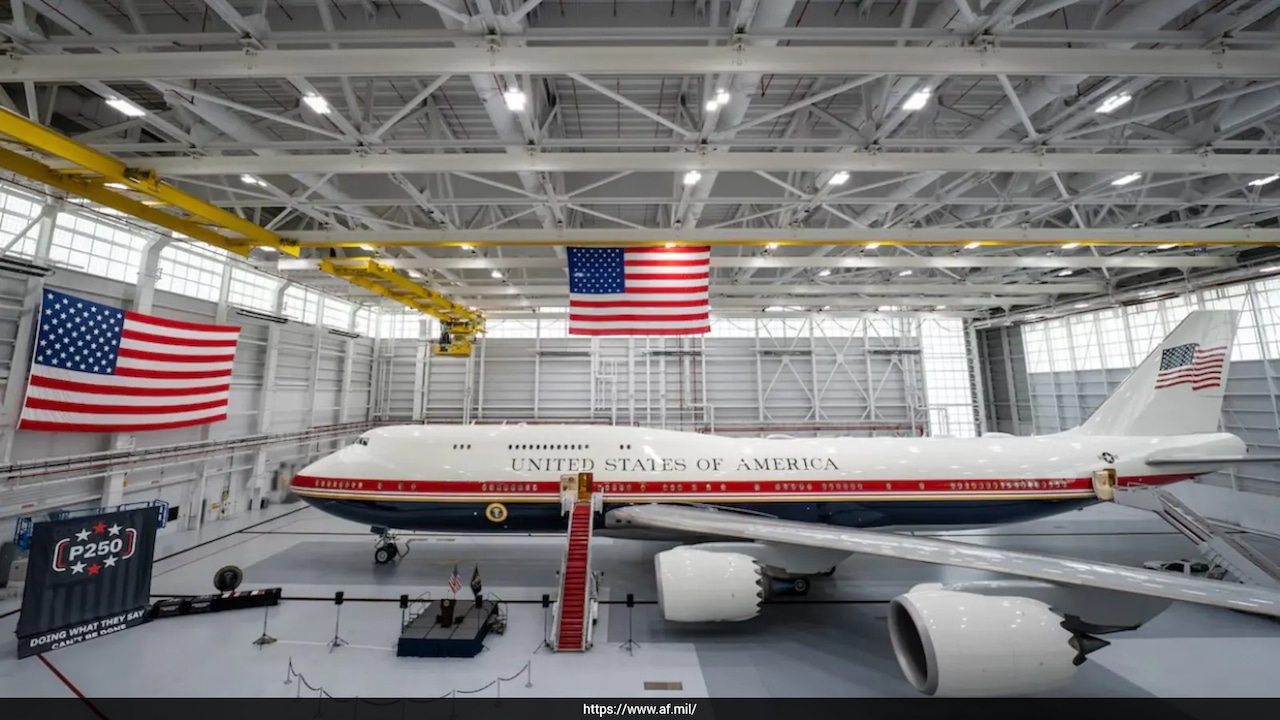
U.S. press groups criticize the Trump-era administration for overusing subpoenas, as journalists are ordered to testify about alleged security gaps on Air Force One. The move raises serious questions about press freedom and legal limits.
मुख्य बिंदु (Key Takeaways)
- Journalists have been subpoenaed to testify on alleged security gaps in Air Force One.
- The Trump administration is accused of abusing subpoenas and search warrants.
- Defying the court order could lead to contempt charges, threatening press independence.
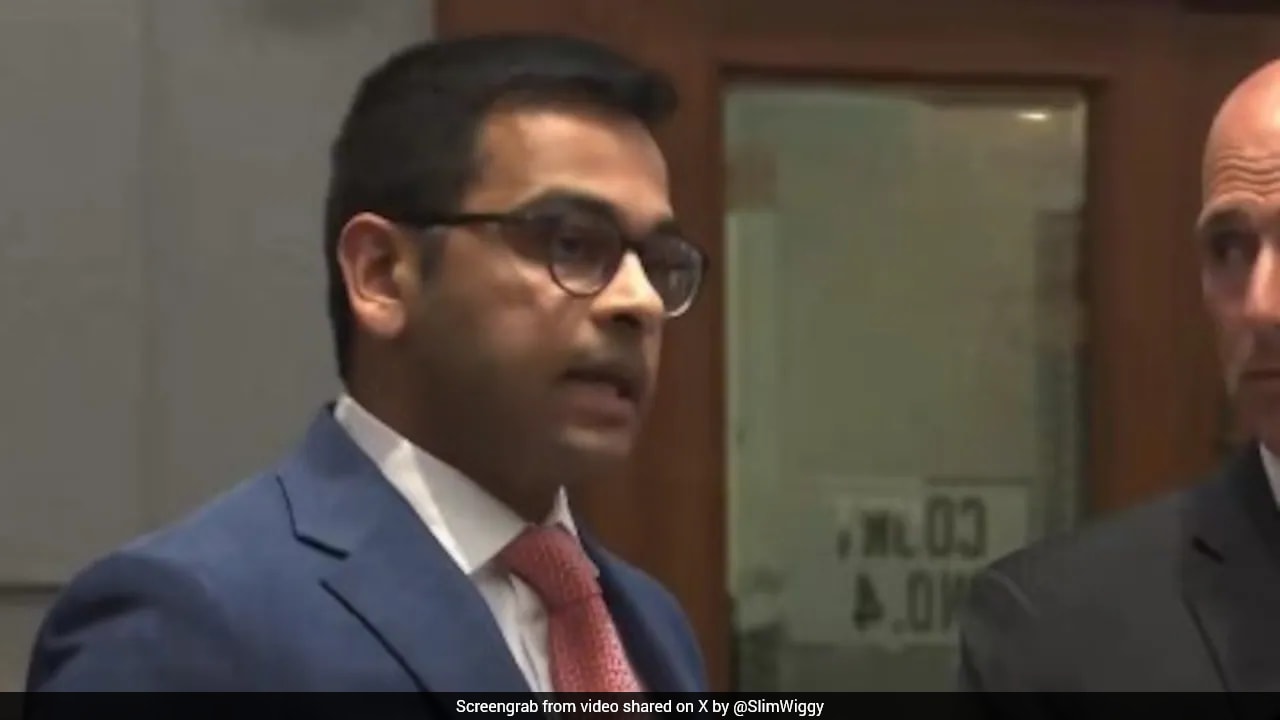
U.S. Attorney Jay Clayton issued subpoenas on Wednesday compelling several journalists to testify under allegations of "violation of federal criminal law." The summons are tied to an ongoing probe into potential security gaps on Air Force One, a topic that has surfaced in multiple investigative reports over the past two years.
Background and Historical Context
Air Force One, the official aircraft of the President of the United States, has long been a showcase of cutting‑edge communication and security technology. Yet a 2022 independent audit highlighted critical encryption and routing weaknesses—referred to as "gaps"—that could expose sensitive data. While a series of technical fixes were proposed, many remain only partially implemented, keeping the aircraft vulnerable.
Legal Basis for the Subpoenas
The subpoenas invoke Section 800 of the Federal Crimes Code, alleging possible criminal violations related to the handling of classified information. Press coalitions, including the Association of American Newsrooms (AAN) and the Society for Freedom of the Press (SFF), argue that the move undermines the First Amendment and reflects an overreach reminiscent of the Trump administration’s aggressive subpoena strategy.
Potential Consequences and Wider Impact
If a court determines that journalists have willfully ignored the subpoenas, they could face contempt sanctions ranging from fines to imprisonment. Such penalties would send a chilling message across the U.S. media landscape, suggesting that national‑security claims can be used to silence investigative reporting. The International Press Institute (IPI) has already condemned the action as a threat to democratic norms.
Looking Ahead
Legal scholars stress that the matter should be resolved in a transparent courtroom setting to safeguard journalists’ rights and set a clear precedent for future national‑security inquiries. Simultaneously, the identified Air Force One gaps demand swift technical remediation to ensure that security deficiencies do not become a pretext for further press suppression.